10-Day Gorilla Trekking and Great Migration Safari Itinerary

What to Pack for Gorilla Trekking and Migration Safaris
March 5, 2026
14-Day East Africa Safari: Gorillas and the Great Migration
March 5, 2026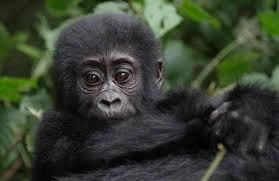
10-Day Gorilla Trekking and Great Migration Safari Itinerary. A 10-day Gorilla Trekking and Great Migration safari is one of the most exciting wildlife journeys in East Africa. This safari combines two of the continent’s most famous wildlife experiences: trekking endangered mountain gorillas in lush tropical forests and witnessing the dramatic movement of millions of wildebeest and zebras across the savannah plains. The journey takes travelers through some of the most iconic wildlife destinations, offering unforgettable encounters with primates, big cats, and a wide range of African wildlife.
This itinerary blends forest adventures, savannah game drives, scenic landscapes, and cultural experiences, creating a well-rounded safari across multiple ecosystems.
Day 1: Arrival and Transfer to the Gorilla Trekking Region
The safari begins with arrival in East Africa, followed by a scenic journey toward the gorilla trekking region. Travelers drive through beautiful landscapes, rolling hills, and traditional villages before reaching the forested mountains where mountain gorillas live.
The destination is usually near Bwindi Impenetrable National Park or Volcanoes National Park, two of the most famous places in the world for gorilla trekking.
After arriving at the lodge, travelers relax and prepare for the next day’s exciting gorilla trekking adventure.
Day 2: Gorilla Trekking Experience
The second day is dedicated to one of the most unforgettable wildlife experiences in the world — gorilla trekking. Early in the morning, visitors receive a briefing from park rangers about trekking rules, safety, and conservation guidelines.
Guided by experienced trackers, visitors hike through dense forest trails searching for a habituated gorilla family. The trek may take several hours depending on the location of the gorillas, but the moment of encountering them is truly extraordinary.
Once the gorillas are found, visitors spend one hour observing their behavior, watching them feed, play, and interact within their family groups. After the trek, travelers return to the lodge to rest and reflect on this remarkable experience.
Day 3: Transfer to the Savanna Wildlife Parks
After the gorilla trekking experience, the safari continues toward the savannah wildlife regions. Travelers may transfer by domestic flight or scenic drive to reach wildlife areas where big game animals roam freely.
The journey leads toward the migration ecosystem that connects Serengeti National Park and Maasai Mara National Reserve.
Upon arrival, travelers check into a safari lodge or tented camp located near wildlife areas, preparing for the exciting game drives ahead.
Day 4: First Great Migration Game Drive
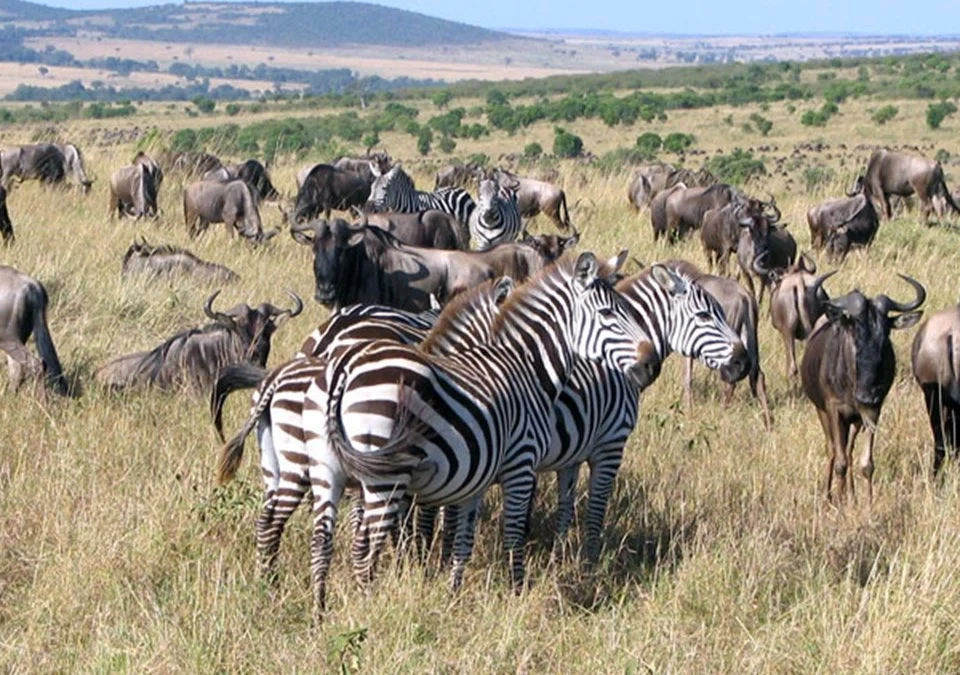
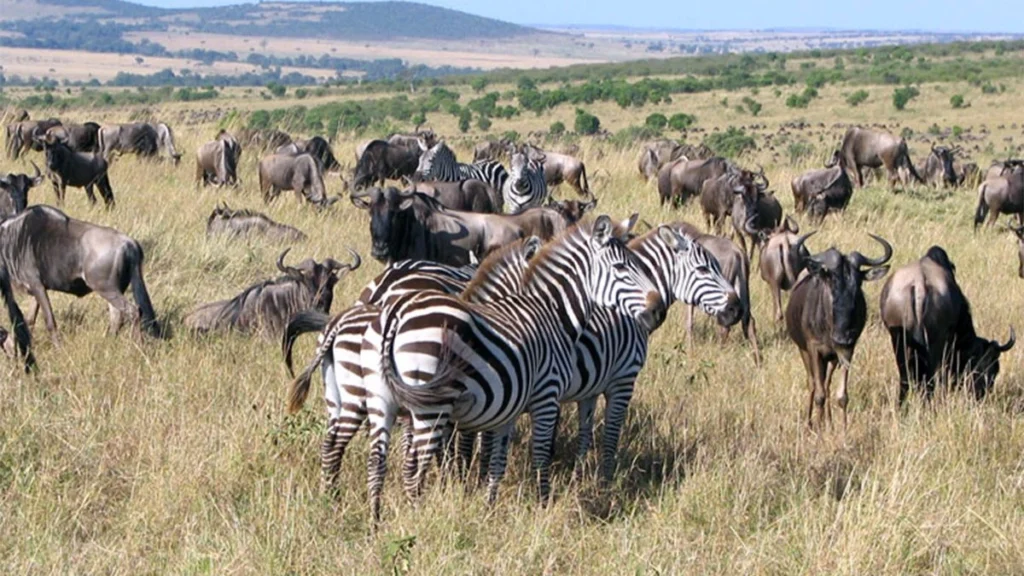
The fourth day introduces travelers to the vast savannah plains and the incredible wildlife that inhabits them. Early morning game drives begin as guides search for herds of wildebeest, zebras, and gazelles participating in the Great Migration.
The open landscapes provide excellent opportunities to observe predators such as lions, cheetahs, and hyenas that follow the migrating herds.
Game drives continue throughout the day, with breaks at scenic picnic spots or the safari camp. Visitors enjoy the beauty of the African plains and the constant movement of wildlife across the horizon.
Day 5: Migration Tracking and Wildlife Viewing
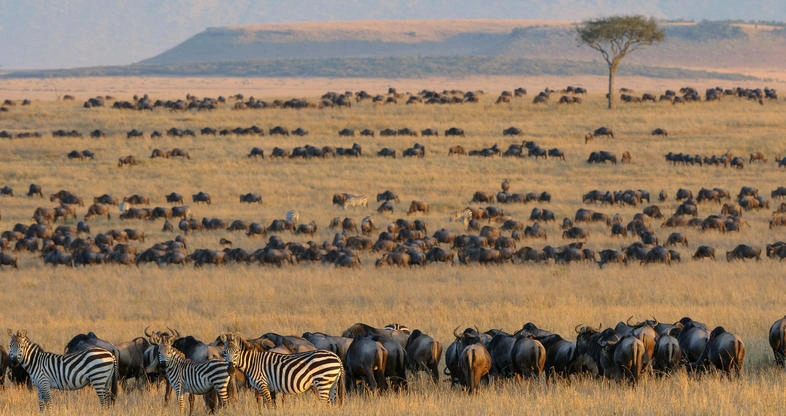
On this day, the safari focuses on following the movement of the migrating herds. Experienced guides track animal movements and adjust routes depending on where the largest concentrations of wildlife are located.
Travelers may witness massive herds grazing across the plains or moving together in search of fresh grass and water. The experience of seeing thousands of animals moving across the landscape is both dramatic and unforgettable.
Predator sightings are also common, as lions and other carnivores closely follow the migration.
Day 6: River Crossing and Predator Encounters
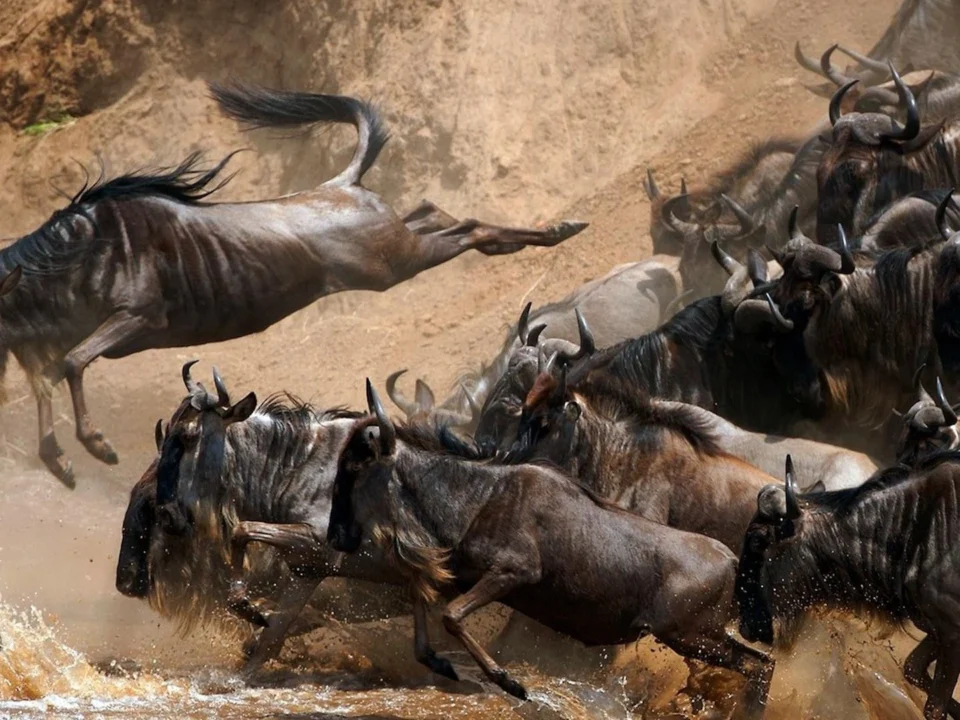
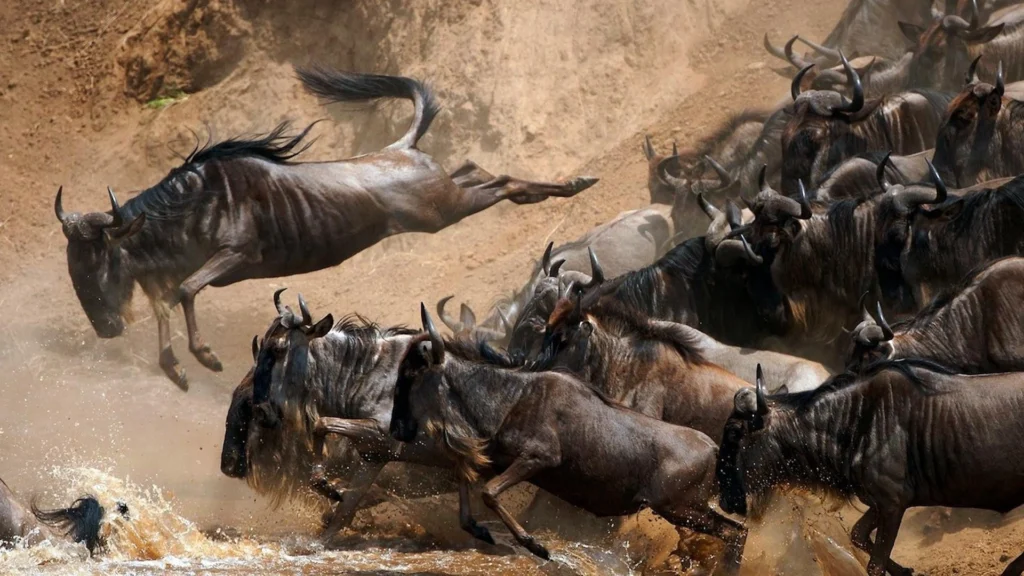
One of the most dramatic moments of the migration occurs when herds attempt to cross rivers filled with strong currents and crocodiles. During certain seasons, travelers may witness these thrilling river crossings.
Large numbers of wildebeest gather near the riverbanks before suddenly rushing into the water. This intense moment attracts predators and creates some of the most iconic wildlife scenes in Africa.
Even outside river crossings, the savannah offers constant wildlife activity, including elephants, giraffes, and antelope.
Day 7: Exploring the Migration Ecosystem
The safari continues with extended game drives exploring different areas of the migration ecosystem. The landscape varies from open plains to river valleys and scattered acacia trees.
During these drives, travelers often encounter a wide range of wildlife species, including buffaloes, leopards, and various bird species.
Photographers especially enjoy this part of the safari because the golden light of early morning and evening creates perfect conditions for wildlife photography.
Day 8: Cultural Experience and Scenic Safari
A safari in East Africa is not only about wildlife but also about experiencing local cultures. On this day, travelers may visit nearby communities to learn about traditional lifestyles, music, and crafts.
In regions near the migration areas, visitors often interact with pastoral communities who have lived alongside wildlife for generations.
The rest of the day may include additional game drives or relaxation at the safari lodge while enjoying views of the surrounding landscapes.
Day 9: Final Game Drives and Wildlife Encounters
As the safari approaches its final days, travelers enjoy more game drives to explore new areas of the park and search for wildlife that may not have been seen earlier.
Each safari day offers unique experiences because animal behavior constantly changes. Visitors may witness hunting scenes, large elephant herds, or playful young animals exploring their environment.
These final game drives provide a chance to fully appreciate the incredible biodiversity of East Africa.
Day 10: Departure and End of Safari
The final day of the safari begins with breakfast at the lodge before departing for the nearest airport or city for onward travel.
As travelers leave the national parks behind, they carry with them unforgettable memories of gorilla encounters, vast migration herds, dramatic wildlife scenes, and the stunning landscapes of East Africa.