Kenya vs Tanzania: Where to Watch the Great Migration
Luxury Migration Safaris in the Maasai Mara
March 3, 2026River Crossings and Big Cats: Highlights of the Migration Safari
March 3, 2026Kenya vs Tanzania: Where to Watch the Great Migration. The Great Migration is one of the most iconic wildlife spectacles on Earth, with over a million wildebeest, hundreds of thousands of zebras, and countless gazelles moving across the Serengeti-Mara ecosystem in search of fresh grazing. Travelers often wonder whether Kenya or Tanzania offers the better safari experience for witnessing this natural phenomenon. Both countries provide incredible wildlife viewing, but differences in timing, landscapes, and wildlife densities make each destination unique. Understanding these distinctions helps travelers plan the ultimate migration safari.
Timing of the Migration in Tanzania
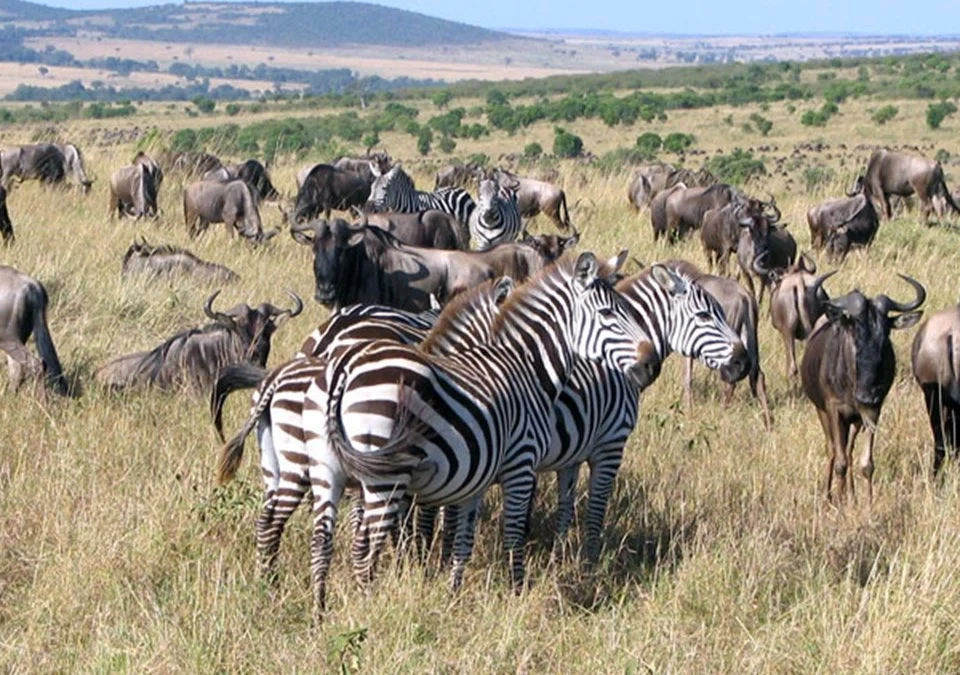
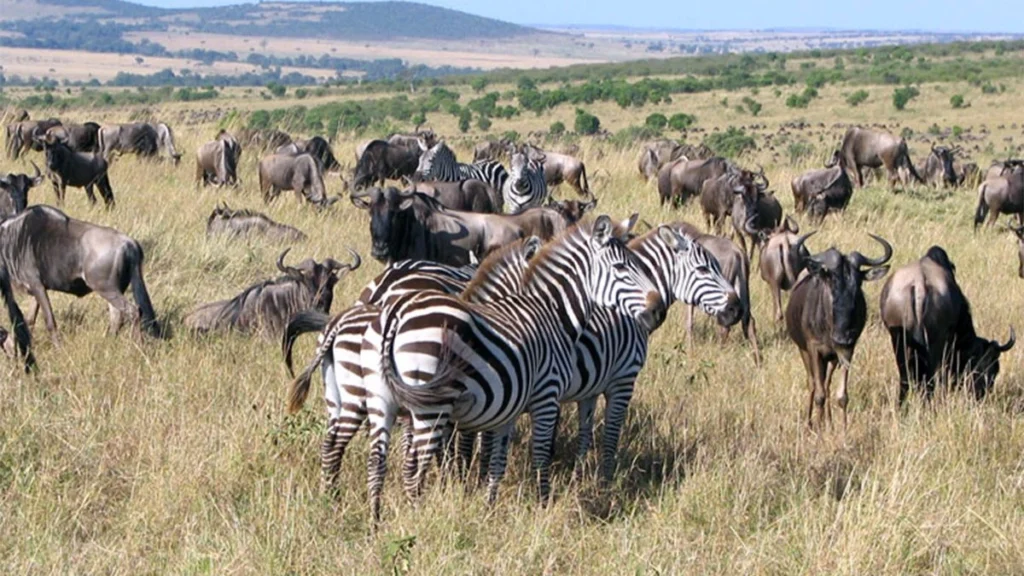
In Tanzania, the migration primarily takes place across the Serengeti National Park. The southern Serengeti hosts calving season from January to March, when thousands of newborn wildebeest dot the plains. From April to June, herds move toward central and western Serengeti in search of fresh pastures.
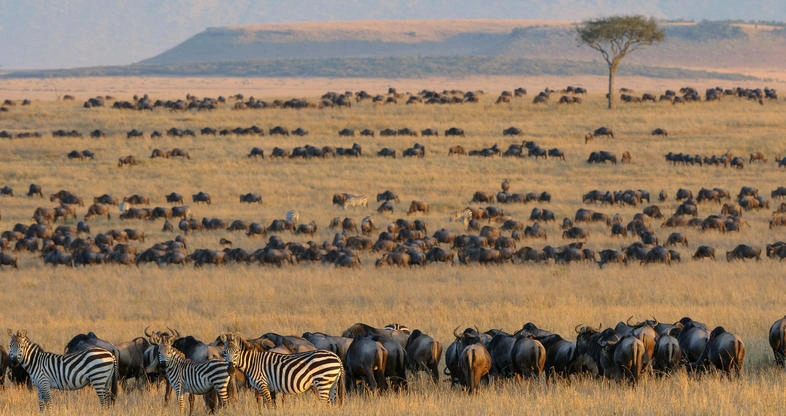
Tanzania offers a more extensive network of plains and rolling hills, making it ideal for seeing large herds spread out across the landscape. Visitors during this period can witness predator-prey interactions, newborn calves, and the vast scale of the migration without the crowds often found in Kenya.
Timing of the Migration in Kenya
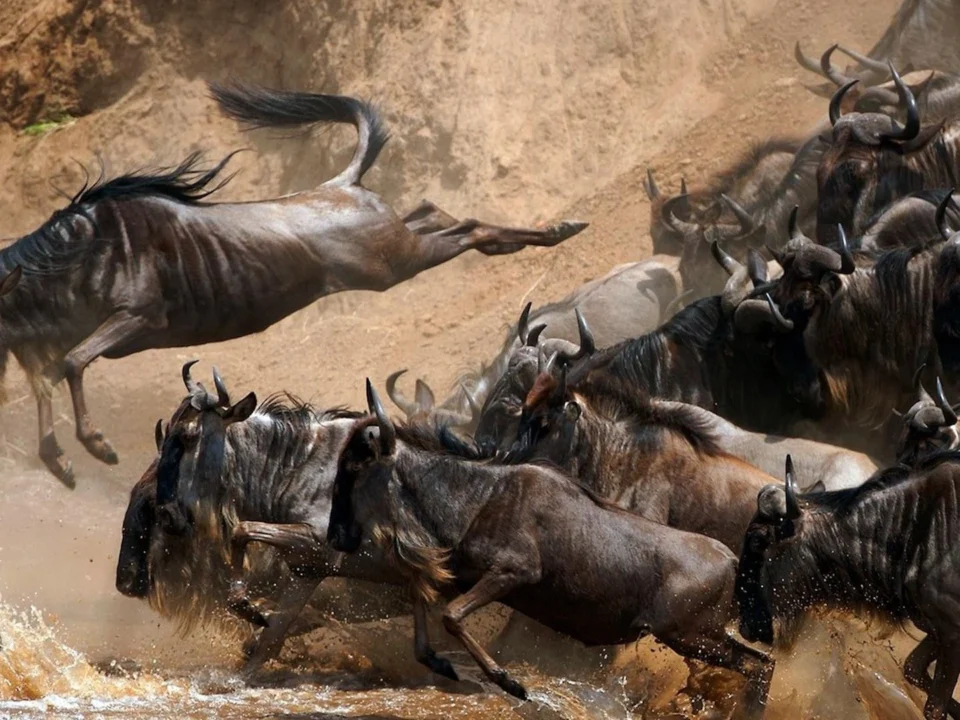
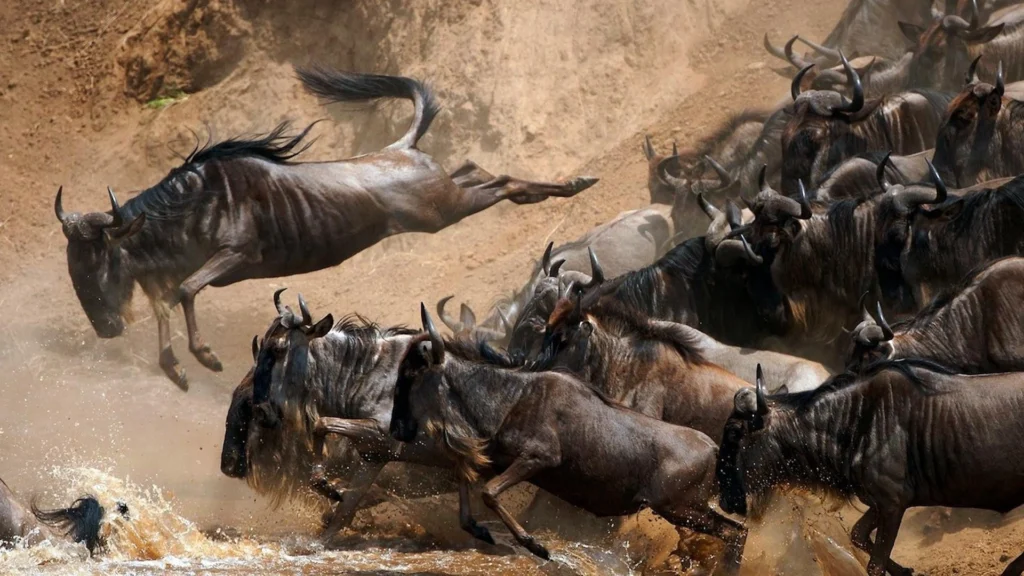
Kenya’s Maasai Mara National Reserve becomes the prime migration destination from July to October, when the herds cross into northern Kenya. The Mara River is a highlight, where dramatic river crossings attract crocodiles and predators, creating some of the most photogenic and adrenaline-filled wildlife moments in Africa.
The Maasai Mara’s relatively compact area allows for more concentrated wildlife sightings, making it easier to observe predators in action and the iconic Big Five. Peak months offer unparalleled opportunities for photographers seeking dynamic action shots of the migration.
Landscapes and Wildlife Density
Tanzania’s Serengeti features expansive, undulating plains interspersed with kopjes, acacia woodlands, and rivers. Its vastness allows for wide panoramic views and the ability to see large numbers of wildebeest and zebras in motion. Predator densities are high, especially during calving season, offering exciting encounters with lions, cheetahs, and hyenas.
Kenya’s Maasai Mara, while smaller in size, has more concentrated wildlife due to its rich grazing grounds and river systems. The Mara River crossings provide dramatic encounters, and visitors can often see multiple predators in one area. The landscape is slightly more accessible, with well-maintained roads and camps strategically located for prime migration viewing.
Safari Experience Differences
Choosing between Kenya and Tanzania depends on the kind of migration experience desired:
- Tanzania: Best for seeing the migration in its ecological context, with vast herds spread over large plains, calving season, and a sense of raw wilderness. Ideal for longer safaris combining multiple parks.
- Kenya: Best for dramatic, concentrated action, including river crossings, predator activity, and Big Five sightings. Ideal for shorter safaris or photographers seeking iconic images.
Both countries offer excellent safari infrastructure, luxury and mid-range accommodations, and knowledgeable guides who enhance the migration experience.
Combining Both Countries
For travelers who want the ultimate migration experience, a combined Kenya-Tanzania safari is an ideal option. Starting in the Serengeti during calving season and following the herds north to the Maasai Mara allows visitors to witness the migration in its entirety — from newborn calves to dramatic river crossings.
This approach requires careful planning, but it ensures that travelers experience all the highlights of the Great Migration, along with diverse wildlife and landscapes across two countries.