Best Time to See the Migration in Serengeti National Park
River Crossings and Big Cats: Highlights of the Migration Safari
March 3, 2026Witness the Great Migration in Maasai Mara National Reserve
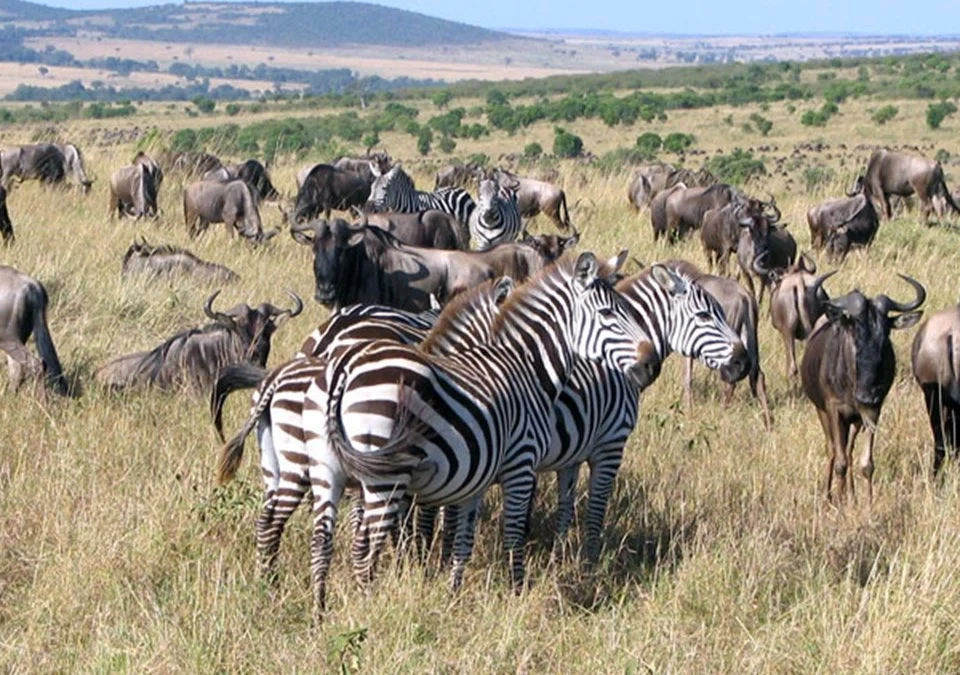
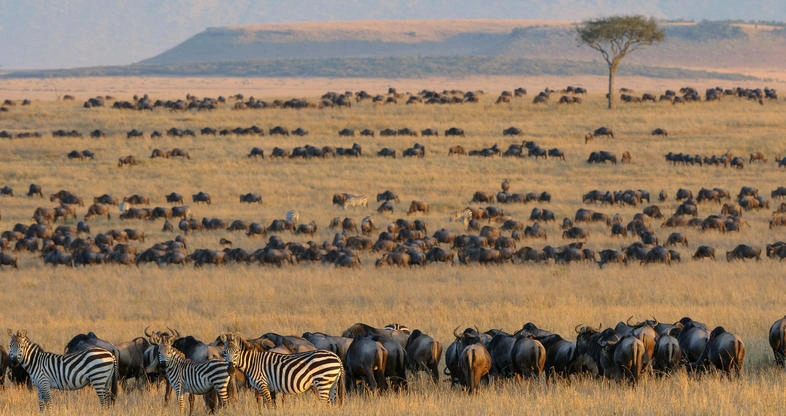
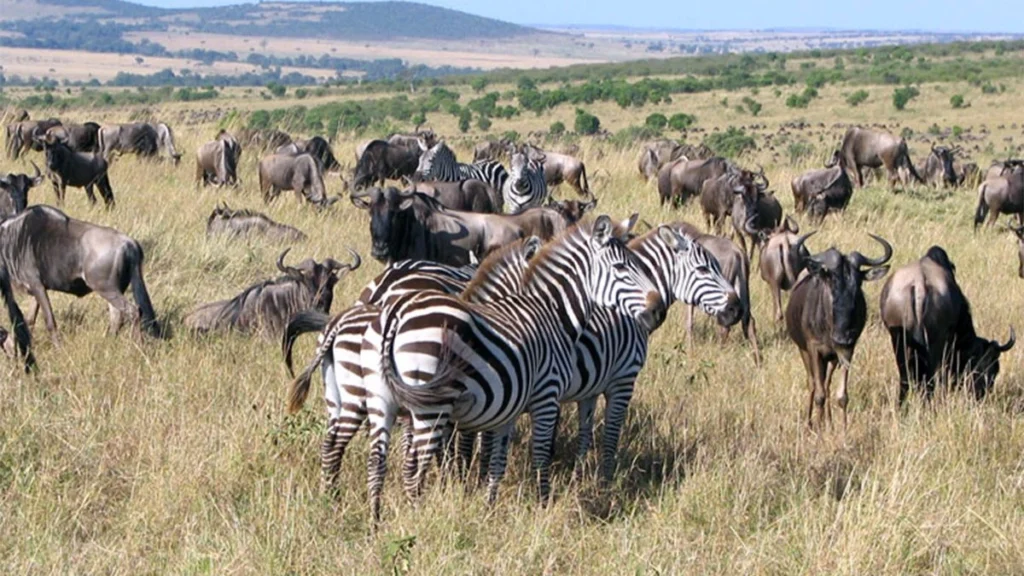
March 3, 2026Best Time to See the Migration in Serengeti National Park. The Great Migration in Serengeti National Park, Tanzania, is one of the most iconic wildlife spectacles on Earth Each year, over a million wildebeest, hundreds of thousands of zebras, and countless gazelles move across the plains in search of fresh grazing. The migration follows a predictable pattern, offering visitors different experiences depending on the time of year. Understanding the seasonal movements, calving periods, and predator activity helps travelers plan the best possible safari for witnessing this natural wonder.
Calving Season in the Southern Serengeti (January – March)
The southern Serengeti is the heart of the calving season, which occurs between January and March. During this period, thousands of wildebeest give birth over a short span, resulting in a high concentration of newborns across the plains.
This season offers incredible wildlife viewing, as predators such as lions, cheetahs, and hyenas take advantage of the abundance of vulnerable calves. The dramatic interactions between predators and prey provide photographers and wildlife enthusiasts with unforgettable experiences. Additionally, the southern plains’ lush green grasslands create beautiful landscapes for safari photography.
Migration Movement through Central and Western Serengeti (April – June)
From April to June, the herds begin moving northwest toward central and western Serengeti regions. During this time, the plains are less crowded, allowing visitors to enjoy wide-open spaces and large numbers of animals grazing or traveling together.
Predator activity remains high, and this period is ideal for observing herd dynamics, tracking patterns, and spotting interactions between wildebeest, zebras, and other grazers. It’s also a great time for birdwatching, as migratory birds often join the herds during these months.
Northern Serengeti and Mara River Crossings (July – October)
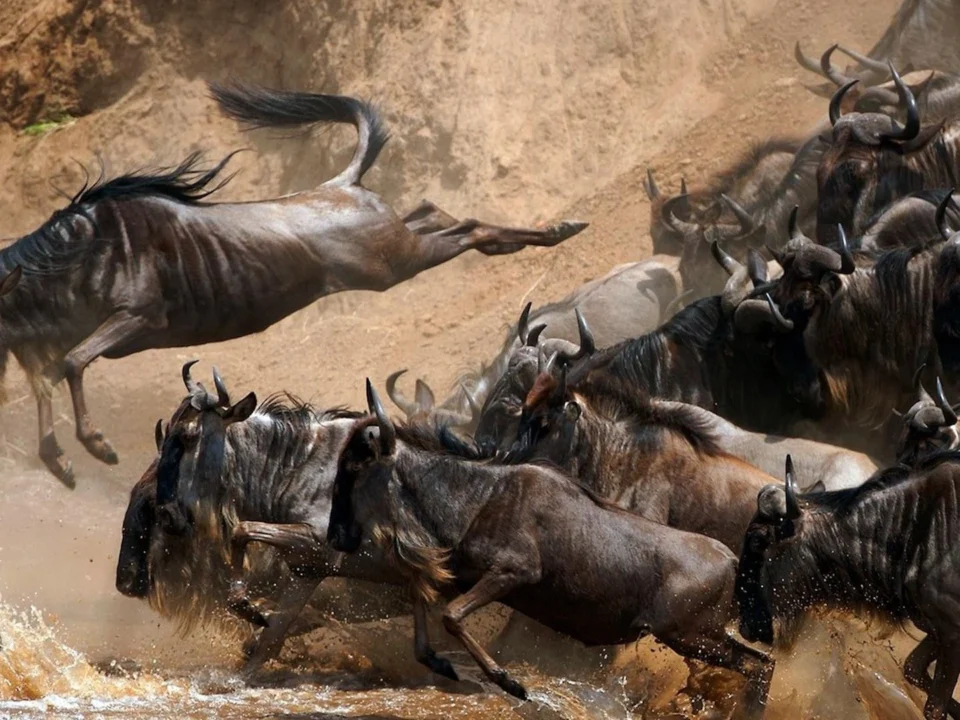
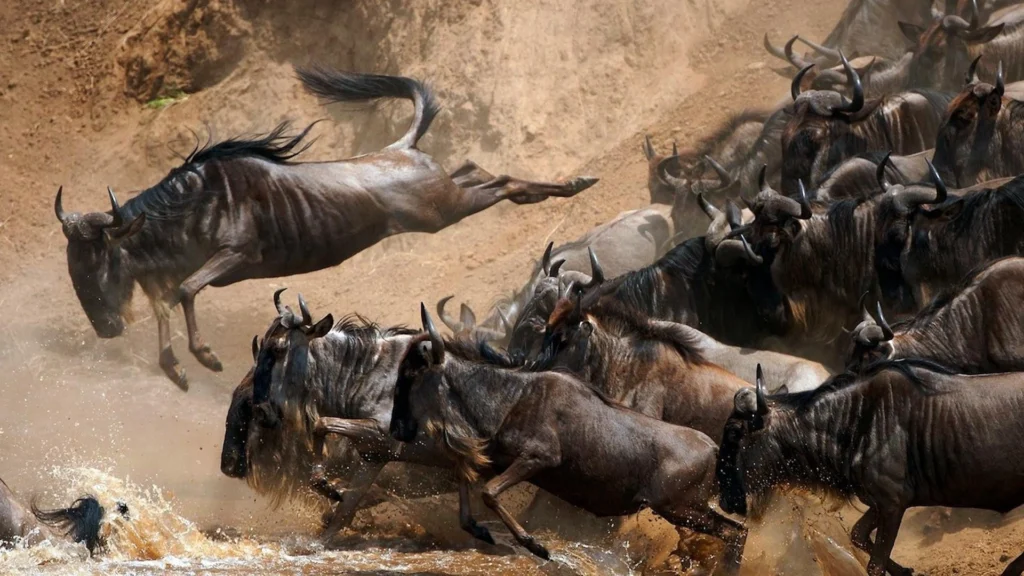
Between July and October, the migration reaches the northern Serengeti and the Maasai Mara in Kenya. This is considered the peak season for witnessing dramatic river crossings, one of the most photographed and thrilling moments of the migration.
The Mara River crossings are a spectacular display of nature’s drama, with crocodiles lying in wait and predators hunting along the banks. This period offers photographers the chance to capture action-filled, cinematic wildlife scenes. It’s also the ideal time to see large concentrations of wildebeest, zebras, and other herbivores moving as a massive herd.
Return to Southern Serengeti (November – December)
After the northern plains and Mara, the herds gradually move back south toward the Serengeti, completing the cycle. By November and December, the migration begins returning to the southern Serengeti, preparing for the next calving season.
This period offers fewer crowds, a quieter safari experience, and the opportunity to observe scattered herds in diverse landscapes. It’s also a great time for photography, with soft light, dramatic skies, and green landscapes after the rains.
Choosing the Best Time for Your Safari
The “best” time to see the migration depends on your priorities:
- Calving Season (Jan–Mar): Ideal for newborns, predator activity, and lush green scenery.
- River Crossings (Jul–Oct): Best for dramatic action, predator-prey encounters, and iconic photographs.
- Quiet Viewing (Apr–Jun, Nov–Dec): Excellent for wide landscapes, herd dynamics, and fewer crowds.
Understanding these seasonal patterns ensures visitors experience the migration at its most spectacular and align their safari plans with personal interests.