Best Months to Combine Gorilla Trekking and the Great Migration

How to Plan a Gorilla Trekking and Great Migration Safari
March 5, 2026
Cost of a Gorilla Trekking and Migration Safari in East Africa
March 5, 2026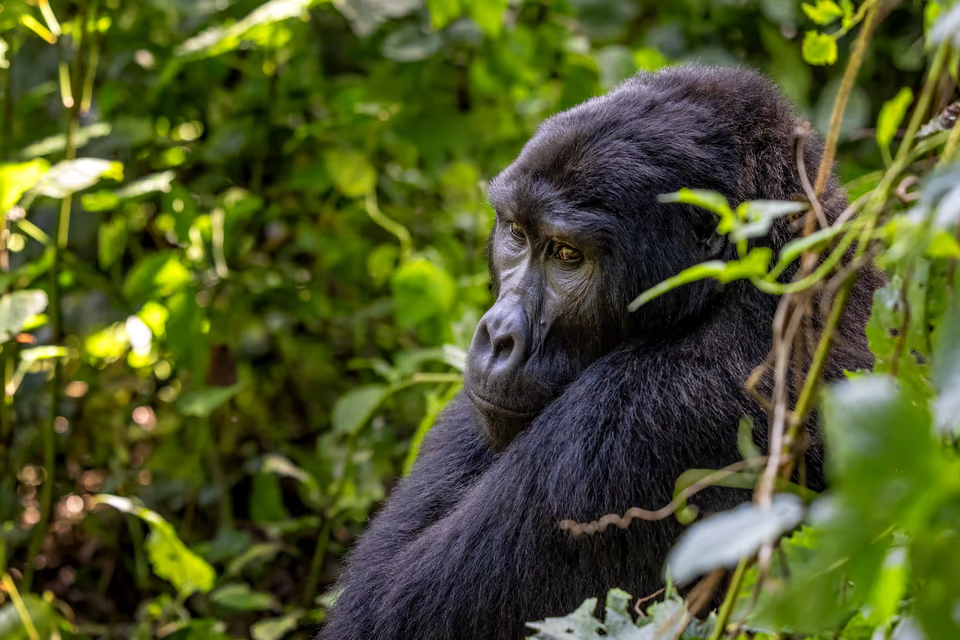
Best Months to Combine Gorilla Trekking and the Great Migration. Combining gorilla trekking and the Great Migration is one of the most rewarding safari experiences in East Africa. It allows travelers to explore two incredible ecosystems: the lush mountain forests where endangered gorillas live and the vast savannah plains where millions of animals migrate in search of fresh grass and water. Choosing the right travel months is essential for maximizing both experiences, ensuring good trekking conditions and exciting wildlife sightings during the migration.
Understanding the seasonal patterns of both gorilla habitats and the migration routes helps travelers plan a safari that delivers unforgettable encounters with Africa’s most iconic wildlife.
Understanding Gorilla Trekking Seasons
Gorilla trekking can be done throughout the year because mountain gorillas live permanently in their forest habitats. However, certain months offer more comfortable trekking conditions. Most gorilla trekking experiences take place in forests such as Bwindi Impenetrable National Park, Mgahinga Gorilla National Park, and Volcanoes National Park.
The dry seasons, which typically occur between June and September and December to February, are considered the best time for gorilla trekking. During these months, forest trails are less muddy and easier to hike, making the trekking experience more comfortable.
Even during the rainy seasons, gorilla trekking remains possible and rewarding. The forests become lush and vibrant, and gorillas remain active in their natural habitats.
Understanding the Great Migration Calendar
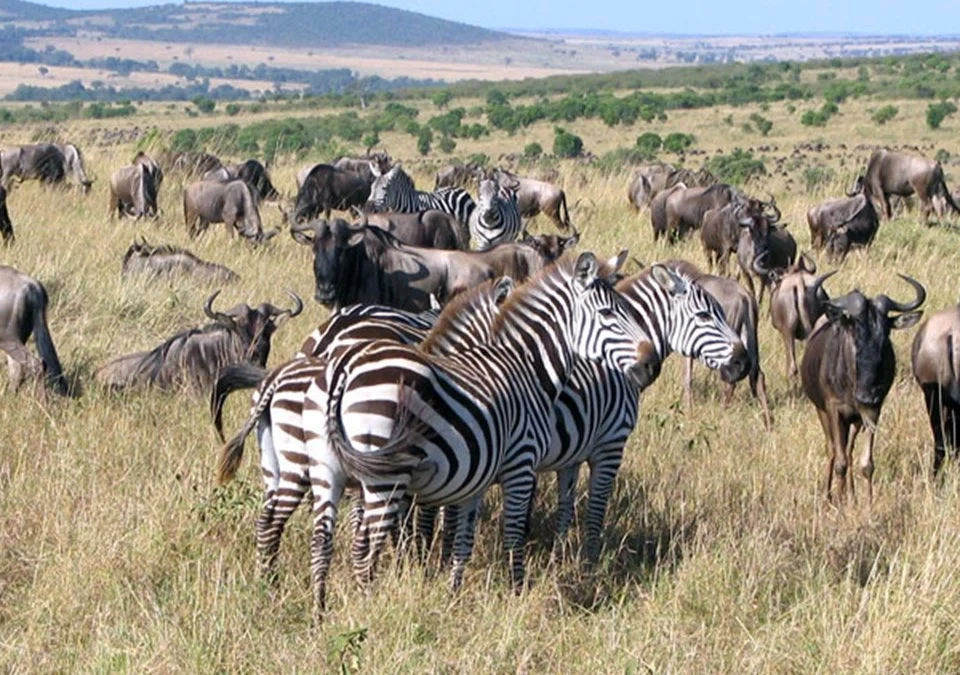
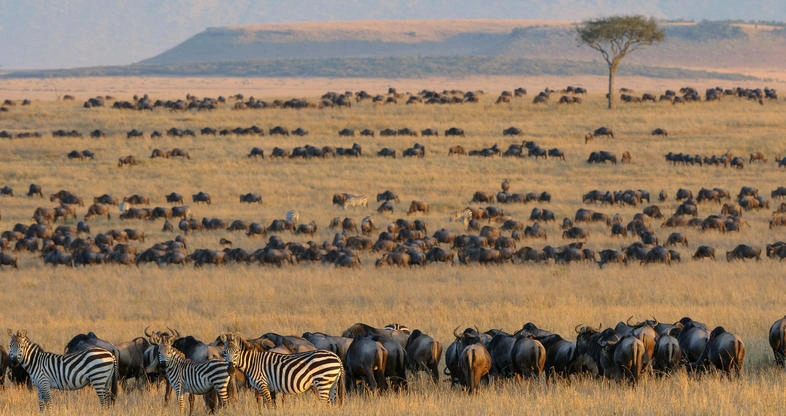
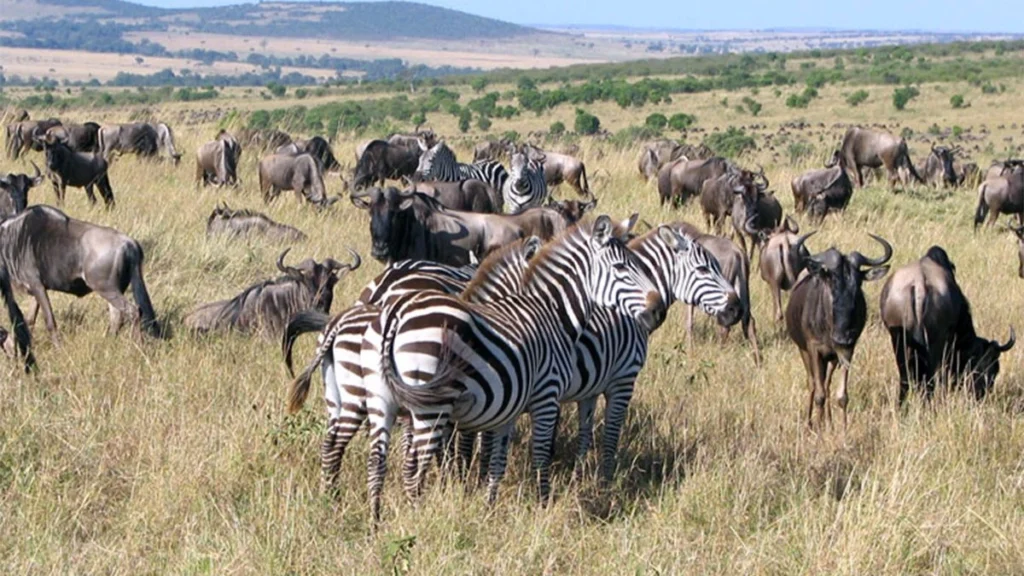
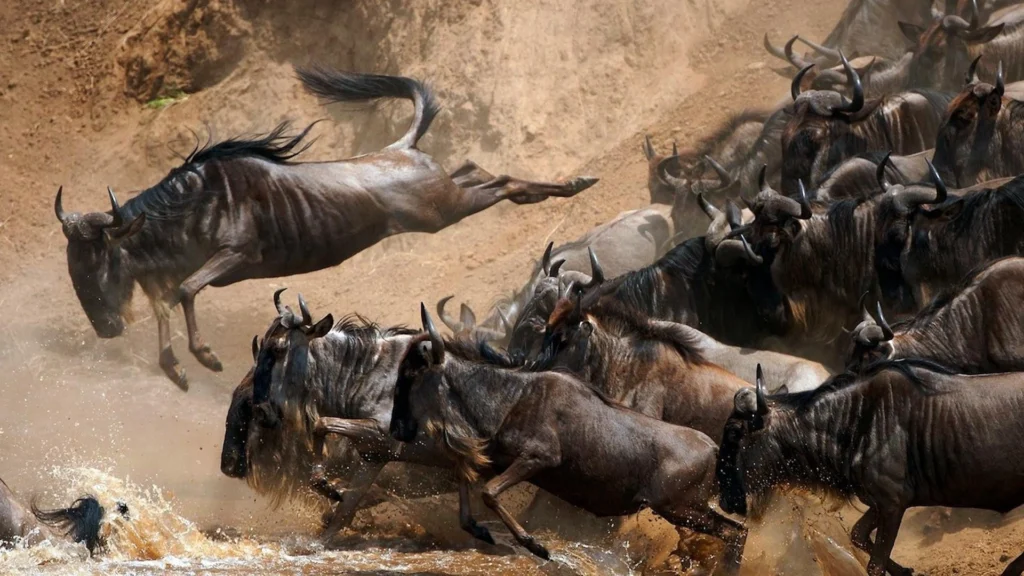
The Great Migration is one of the most spectacular wildlife events on Earth. Each year, millions of wildebeest, zebras, and gazelles travel in a circular route across the ecosystems of Serengeti National Park and Maasai Mara National Reserve.
The migration does not follow strict calendar dates because it depends on rainfall and grass availability. However, general patterns make it easier to plan safari trips.
From January to March, the herds are usually in the southern Serengeti where thousands of wildebeest calves are born. This period is known as the calving season and attracts many predators, creating exciting wildlife action.
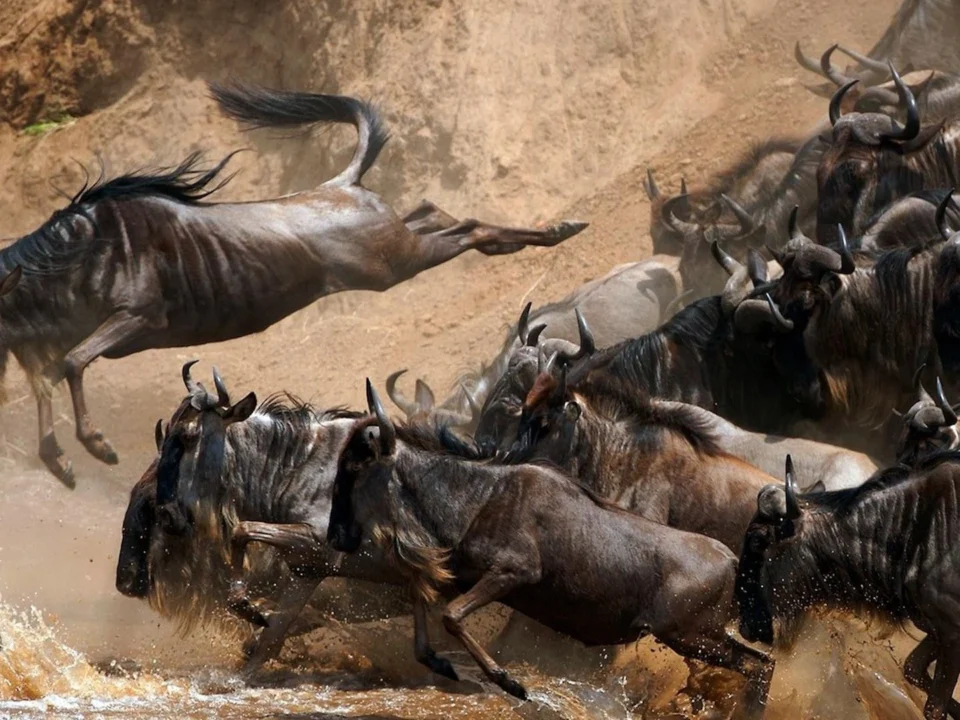
From July to October, the herds often move north into the Maasai Mara. During this time, travelers may witness dramatic river crossings where animals attempt to cross crocodile-filled rivers.
Each stage of the migration offers unique wildlife experiences and breathtaking scenes.
June to September: The Ideal Combination Period
One of the best times to combine gorilla trekking and the Great Migration is between June and September. This period falls within the dry season in the gorilla trekking regions and also coincides with the migration moving toward the northern Serengeti and Maasai Mara.
Travelers visiting during these months can enjoy comfortable trekking conditions in the forests while also witnessing large herds gathering in the savannah.
The possibility of seeing dramatic river crossings during this time adds another thrilling element to the safari experience. Wildlife viewing is also excellent because animals gather around water sources during the dry season.
January to March: Calving Season and Gorilla Trekking
Another excellent period for combining gorilla trekking with the migration is between January and March. During these months, the southern Serengeti becomes the calving ground for thousands of wildebeest.
This season offers incredible wildlife photography opportunities because newborn animals attract predators such as lions, cheetahs, and hyenas. The open plains make it easier to observe predator-prey interactions.
At the same time, gorilla trekking remains possible in the mountain forests of Uganda and Rwanda. Although there may be occasional rainfall, trekking conditions are generally manageable and visitor numbers are slightly lower than during peak seasons.
October to November: A Quieter Safari Experience
October and November are considered short rainy seasons in many parts of East Africa. While rainfall may occur, this period can still offer rewarding safari experiences.
The migration often begins moving south from the Maasai Mara back toward the Serengeti during this time. Wildlife viewing remains good, and the landscapes become lush and green after the rains.
Gorilla trekking continues year-round, and some travelers prefer this period because parks are less crowded and accommodations may offer lower rates.
December: A Festive Season for Safari Travel
December is another good time to plan a combined safari. The migration begins moving toward the southern Serengeti as the short rains bring fresh grass to the plains.
At the same time, gorilla trekking areas enter the dry season again, making forest trails easier to navigate. Many travelers choose December for holiday safaris because it offers pleasant weather and diverse wildlife viewing opportunities.
The festive atmosphere and beautiful landscapes make this an appealing time for travelers seeking a memorable end-of-year adventure.
Factors to Consider When Choosing Travel Months
Although certain months are considered ideal for combining gorilla trekking and the migration, several factors should be considered when planning travel dates.
Weather conditions can influence road access, trekking comfort, and wildlife movement. Rainfall patterns sometimes shift slightly from year to year, which can affect the timing of the migration.
Travelers should also consider peak tourist seasons. Popular months such as July and August may have higher visitor numbers, so booking accommodations and gorilla trekking permits early is essential.
Budget considerations can also influence travel timing. Shoulder seasons sometimes offer better availability and competitive pricing.
Benefits of a Combined Safari Experience
Planning a safari that includes both gorilla trekking and the Great Migration provides a diverse wildlife experience that showcases the beauty of East Africa.
In the forests, visitors experience intimate encounters with mountain gorillas in peaceful, mist-covered environments. In the savannah plains, travelers witness dramatic wildlife scenes involving large herds and powerful predators.
The contrast between dense forests and open plains makes the safari journey even more exciting. Travelers also enjoy scenic landscapes, cultural encounters, and unforgettable photography opportunities along the way.
Making the Most of Your East African Safari
To fully enjoy a safari that combines gorilla trekking and the migration, careful planning is essential. Booking permits early, selecting travel dates strategically, and allowing enough time to explore different regions will greatly enhance the experience.
Visitors should also prepare for different environments, as trekking in mountain forests and exploring savannah plains require different clothing and equipment.
Working with experienced guides ensures that travelers gain deeper knowledge about wildlife behavior, conservation efforts, and the unique ecosystems of East Africa.
A Perfect Wildlife Adventure Across East Africa
Choosing the best months to combine gorilla trekking and the Great Migration can transform a safari into an extraordinary adventure. Whether visiting during the dramatic river crossing season or the exciting calving months, travelers have the opportunity to witness some of the world’s most remarkable wildlife events.
From quiet moments observing gorillas in misty forests to thrilling scenes of migrating herds crossing vast plains, this type of safari highlights the incredible diversity of East Africa.