Complete Guide to Gorilla Trekking in Bwindi National Park

Cost of Gorilla Trekking Permits in Uganda and Rwanda
March 12, 2026
Budget Gorilla Trekking Safaris in Uganda
March 12, 2026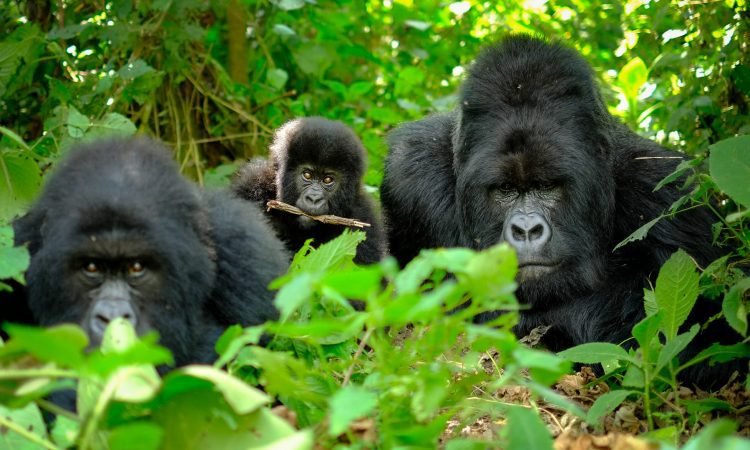
Gorilla trekking in Bwindi Impenetrable National Park is one of the most extraordinary wildlife experiences in Africa. Hidden in the southwestern corner of Uganda, this ancient rainforest is home to nearly half of the world’s remaining mountain gorillas. Visitors from around the globe travel to this remarkable park to trek through dense jungle, climb steep hills, and ultimately encounter a family of gorillas in their natural habitat.
The park is famous for its biodiversity, dramatic landscapes, and unforgettable primate encounters. Gorilla trekking here is not just a wildlife activity; it is a life-changing experience that allows travelers to witness the behavior, intelligence, and social structure of mountain gorillas up close. This complete guide explains everything travelers need to know about planning a successful gorilla trekking adventure in Bwindi.
Overview of Bwindi Impenetrable National Park
Bwindi Impenetrable National Park is one of the oldest and most biologically diverse forests in Africa. The park covers about 331 square kilometers of dense rainforest filled with steep valleys, thick vegetation, and mist-covered hills. The forest is believed to be more than 25,000 years old, making it one of the most ancient ecosystems on the continent.
Bwindi is a UNESCO World Heritage Site because of its exceptional biodiversity. Besides mountain gorillas, the park is home to hundreds of bird species, butterflies, reptiles, and many other primates such as colobus monkeys and chimpanzees. The dense vegetation and mountainous terrain give the park its famous name, “Impenetrable,” as trekking through the forest can sometimes be physically demanding.
Despite the challenging terrain, the reward of meeting a gorilla family in the wild makes the effort worthwhile. The park’s conservation programs have helped protect mountain gorillas and allowed their population to slowly recover over the years.
Gorilla Families in Bwindi
Bwindi has the largest number of habituated mountain gorilla families available for tourism. Habituation is a long process during which gorillas gradually become comfortable with human presence under the careful supervision of researchers and rangers.
Several gorilla families are open to trekking each day. Each family group has its own territory within the forest and is assigned to a limited number of visitors daily. Only eight tourists are allowed to visit a gorilla group per day in order to minimize stress on the animals and protect their natural behavior.
The gorilla families are spread across four main trekking sectors within the park. These include Buhoma, Ruhija, Rushaga, and Nkuringo. Each sector offers unique landscapes and different trekking experiences, ranging from relatively moderate trails to more challenging hikes through steep terrain.
Because of the number of gorilla families available, Bwindi provides a variety of trekking opportunities and increases the chances of visitors obtaining permits even during busy travel seasons.
Gorilla Trekking Permits
To participate in gorilla trekking, every visitor must obtain a gorilla trekking permit issued by the Uganda Wildlife Authority. The permit is required before entering the forest to track gorillas.
A standard gorilla trekking permit in Uganda costs approximately $800 for international visitors. This permit allows a traveler to join a guided trek and spend one hour observing a habituated gorilla family once they are located.
The permit includes park entry, ranger guide services, and security during the trek. However, it does not cover accommodation, transportation, or other travel expenses associated with the safari.
Because permits are limited and demand is high, it is advisable to book them several months in advance, especially during peak travel seasons.
The Gorilla Trekking Experience
The gorilla trekking experience begins early in the morning with a briefing at the park headquarters. During this session, rangers explain the rules of trekking, safety guidelines, and what visitors should expect during the hike.
After the briefing, visitors are divided into small groups of eight people and assigned a specific gorilla family to track. Experienced guides and trackers lead each group into the forest.
The trekking time varies depending on where the gorillas are located. Some treks may take one or two hours, while others can last several hours as visitors navigate through dense forest and steep terrain.
Trackers usually go ahead of the group to locate the gorillas and communicate with the guides. Once the gorilla family is found, visitors are allowed to approach quietly and observe them from a safe distance.
During the one-hour encounter, travelers often witness fascinating interactions among the gorillas. They may see a dominant silverback protecting the group, mothers caring for their young, and juveniles playing in the trees.
Photography is allowed, but visitors must avoid using flash as it may disturb the animals.
Best Time for Gorilla Trekking
Gorilla trekking in Bwindi is possible throughout the year. However, the best time to visit is generally during the dry seasons when the forest trails are easier to navigate.
The main dry seasons occur between June and September and again from December to February. During these months, rainfall is lower and trekking conditions are more comfortable.
The rainy seasons occur between March and May and again between October and November. Although the trails can be muddy during these periods, some travelers prefer visiting during these months because there are fewer tourists and the forest is particularly lush and beautiful.
Regardless of the season, visitors should always be prepared for changing weather conditions since rainforest climates can be unpredictable.
What to Pack for Gorilla Trekking
Proper preparation is essential for a successful gorilla trekking adventure. Because the trek takes place in dense rainforest terrain, visitors should bring appropriate clothing and equipment.
Sturdy hiking boots with good grip are necessary because the trails can be slippery and steep. Long trousers and long-sleeved shirts help protect against scratches from vegetation and insect bites.
Rain jackets are recommended since rainfall can occur unexpectedly in the forest. Gloves are also useful when climbing steep slopes or holding onto branches for support.
Other important items include insect repellent, sunscreen, a reusable water bottle, snacks, and a small backpack to carry personal items.
A good camera with a zoom lens is highly recommended for capturing the incredible moments spent with the gorillas.
Physical Fitness and Trekking Difficulty
Gorilla trekking in Bwindi can be physically demanding due to the park’s mountainous terrain and thick vegetation. Some gorilla families live in areas that require climbing steep hills and hiking through dense forest.
However, visitors do not need to be professional athletes to participate. Rangers usually try to match trekking groups with gorilla families based on the physical ability of the visitors.
Those who prefer shorter or less strenuous hikes can often request gorilla groups that are located closer to the starting points.
Hiring a porter is also highly recommended. Porters help carry bags, assist with difficult sections of the trail, and provide encouragement during the trek. This service also supports local communities living near the park.
Conservation and Community Benefits
Gorilla trekking in Bwindi plays a crucial role in conservation and community development. Tourism revenue generated from permits helps fund park management, wildlife protection, and research programs.
A portion of the income is also shared with local communities surrounding the park. These funds support schools, health centers, clean water projects, and other development initiatives.
By involving communities in conservation efforts, the program helps reduce poaching and encourages local residents to protect the gorillas and their forest habitat.
The success of gorilla tourism in Bwindi has become a model for conservation worldwide, demonstrating how responsible tourism can help protect endangered species.
Other Activities Around Bwindi
While gorilla trekking is the main attraction, visitors to Bwindi can also enjoy several other activities that enrich their safari experience.
Nature walks through the forest offer opportunities to discover birds, butterflies, and other wildlife. Birdwatching is particularly popular because the park hosts more than 350 bird species, including many that are endemic to the Albertine Rift region.
Community visits allow travelers to learn about the culture and traditions of local people living near the park. These experiences often include traditional dances, storytelling, and demonstrations of local crafts.
Some visitors also explore nearby scenic areas such as lakes, hills, and viewpoints that offer breathtaking views of the surrounding landscapes.
Travel Tips for Visitors
Planning ahead is essential when visiting Bwindi for gorilla trekking. Because permits are limited, travelers should secure their permits and accommodation well in advance.
It is also advisable to arrive at the park a day before the trek to avoid delays and ensure that visitors are well rested before the adventure.
Visitors should follow all park guidelines during the trek. This includes maintaining a safe distance from the gorillas, avoiding loud noises, and not visiting the gorillas when feeling sick, as human illnesses can be transmitted to the animals.
Respecting these rules helps protect the gorillas and ensures that future generations will also have the opportunity to experience these incredible creatures.