Affordable Great Migration Safaris in East Africa

What to Pack for a Gorilla Trekking Safari
March 12, 2026
Photography Guide for the Great Migration Safari
March 12, 2026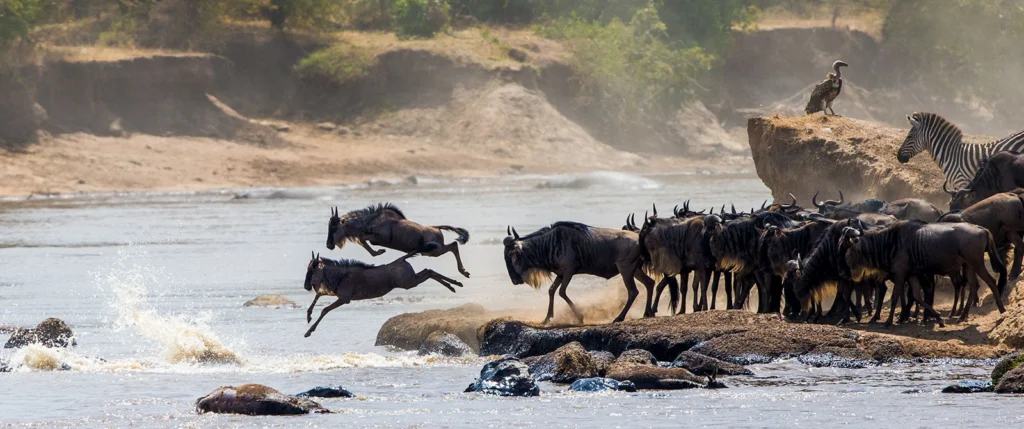
The Great Migration is one of the most spectacular wildlife events on the planet. Every year, millions of wildebeest, zebras, and gazelles move across the vast plains of East Africa in search of fresh grazing and water. This incredible journey creates dramatic scenes of wildlife movement, predator encounters, and river crossings that attract travelers from around the world.
Many people assume that witnessing the Great Migration requires an expensive luxury safari. However, it is possible to experience this remarkable natural phenomenon through affordable safari options. Budget-friendly travel choices, shared tours, and carefully planned itineraries allow travelers to enjoy the Great Migration without spending excessively.
The migration mainly occurs across the ecosystems of Serengeti National Park and Maasai Mara National Reserve. These two iconic destinations form one continuous ecosystem where animals migrate throughout the year. With good planning, travelers can explore these landscapes and witness the migration at a reasonable cost.
Understanding the Great Migration
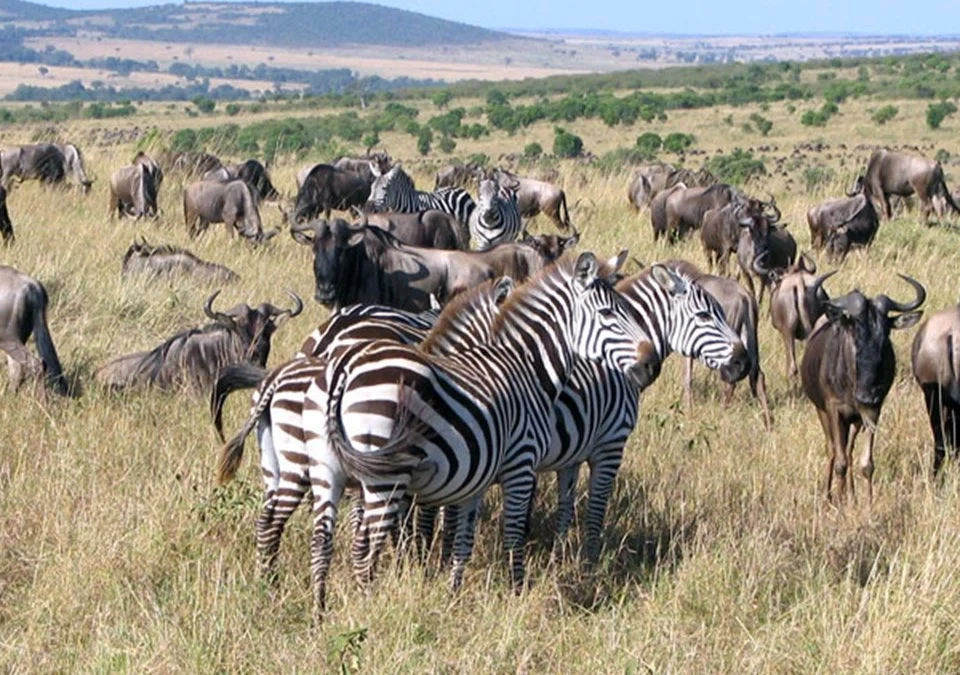
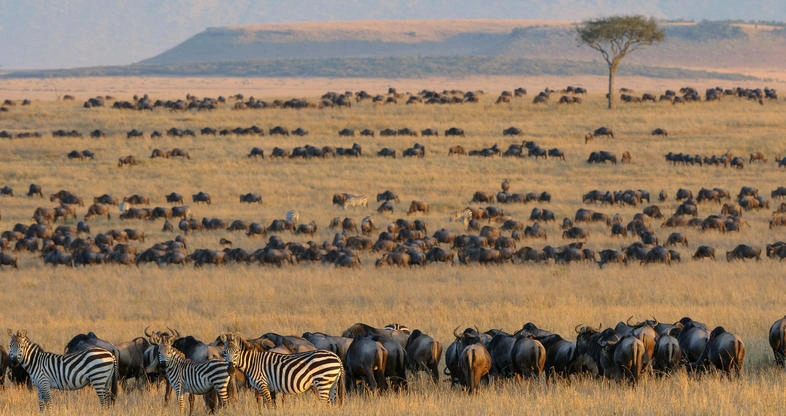
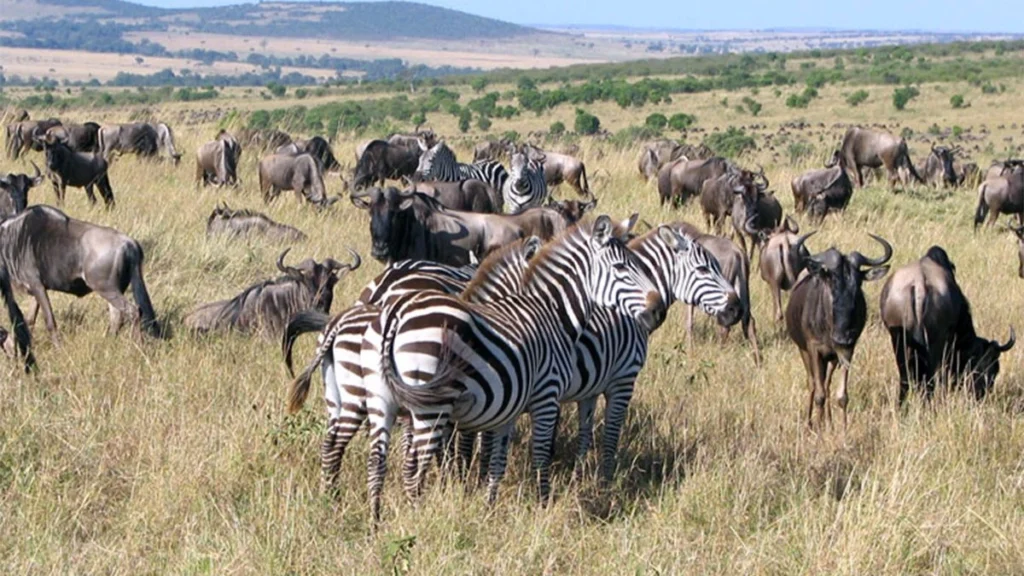
The Great Migration is the annual movement of more than two million animals across the savannahs of East Africa. The migration consists mainly of wildebeest, accompanied by large numbers of zebras and gazelles.
These animals move in a circular pattern between the plains of northern Tanzania and southern Kenya. The movement is driven by rainfall patterns that determine where fresh grass and water can be found.
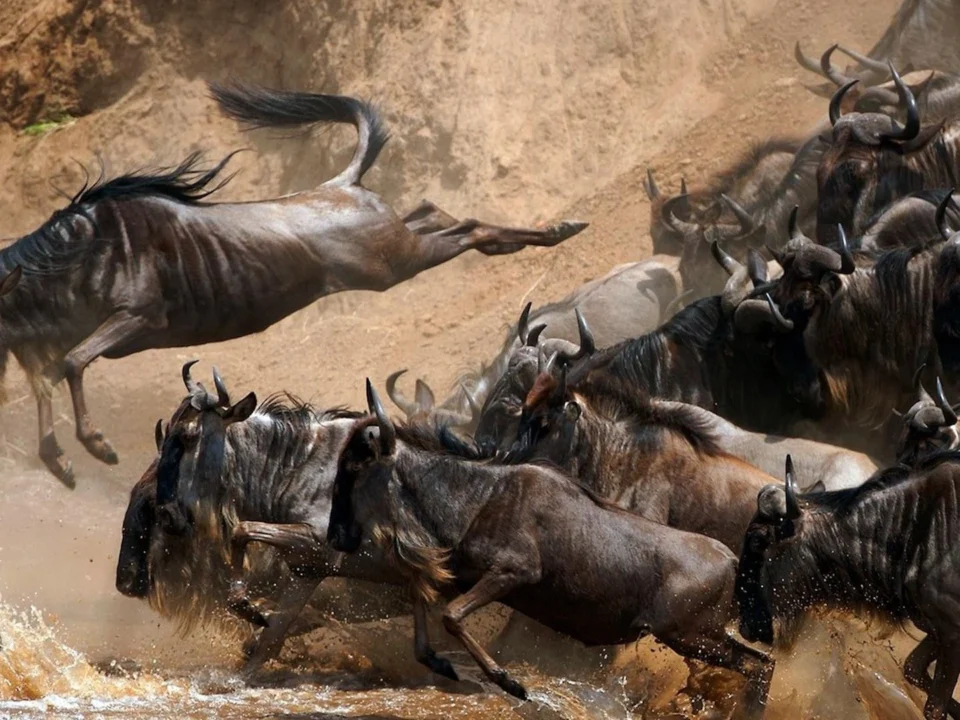
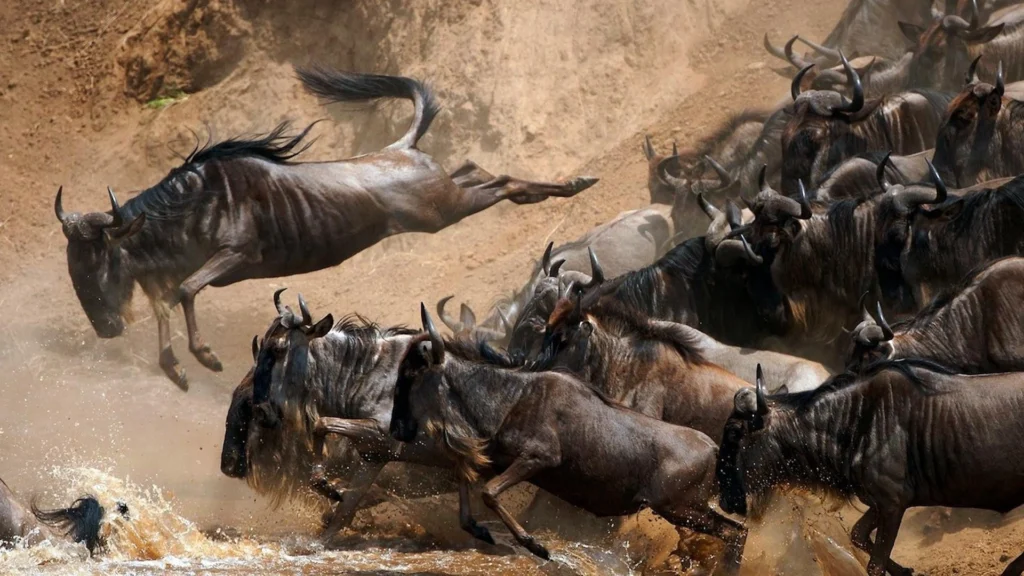
During the migration, herds travel across vast open plains, encounter predators such as lions and cheetahs, and face dangerous river crossings filled with crocodiles. These dramatic moments create one of the most powerful wildlife spectacles in the world.
Although many people associate the migration with a single location, the animals move throughout the year. This means that travelers can see different stages of the migration depending on when they visit.
Why Affordable Migration Safaris Are Possible
While luxury safari lodges and private tours can be expensive, there are many ways to enjoy the Great Migration at a lower cost. East Africa offers a wide range of safari options that cater to different travel budgets.
Affordable safaris are often organized using shared vehicles, budget lodges, or tented camps. These options reduce costs while still providing excellent opportunities to see wildlife.
Travelers who join group safaris also benefit from sharing transportation and guiding services with other visitors. This significantly lowers the overall price of the safari compared to private tours.
Another advantage is that many budget accommodations are located close to the main wildlife areas, allowing travelers to access migration routes without long and expensive travel distances.
Best Budget Destinations for the Great Migration
Two of the most famous destinations for witnessing the Great Migration are Serengeti National Park and Maasai Mara National Reserve.
The Serengeti ecosystem in Tanzania is vast and hosts the largest portion of the migration throughout the year. Visitors can explore different regions of the park depending on the season. The southern Serengeti is known for calving season, while the western corridor and northern Serengeti are famous for dramatic river crossings.
In Kenya, the Maasai Mara becomes the center of attention during the migration months when large herds cross the Mara River. This period is particularly popular because visitors often witness intense wildlife action, including predator hunts and river crossings.
Both destinations offer budget lodges, campsites, and shared safari tours that make migration safaris more accessible to travelers with limited budgets.
Best Time to See the Great Migration
The timing of a Great Migration safari plays an important role in determining both the experience and the cost of the trip.
From January to March, large herds gather in the southern plains of the Serengeti where thousands of wildebeest calves are born. This period is known as the calving season and attracts many predators looking for easy prey.
Between April and June, the herds begin moving northward through central Serengeti. This is a quieter period for tourism and can offer more affordable safari opportunities.
From July to October, the migration reaches the Maasai Mara and northern Serengeti. During this time, dramatic river crossings occur as animals attempt to cross the Mara River.
November and December mark the beginning of the return journey as the herds move back toward the southern Serengeti following seasonal rains.
Travelers who want to save money often choose to visit during the shoulder seasons when accommodation prices are lower and parks are less crowded.
Budget Accommodation Options
Affordable accommodation is one of the best ways to reduce the cost of a Great Migration safari. Many budget lodges and tented camps provide comfortable stays at reasonable prices.
These accommodations often offer basic but clean rooms, delicious local meals, and excellent access to nearby wildlife areas. Some budget camps are located inside or near national parks, allowing visitors to reach wildlife viewing areas quickly.
Camping is another option for travelers who want an even more affordable experience. Several national parks provide designated campsites where visitors can stay in tents and enjoy a closer connection to nature.
Despite the lower cost, budget accommodations still provide unforgettable safari experiences with stunning views of the African wilderness.
Shared Safari Vehicles
Another way to reduce safari costs is by joining a shared safari vehicle. Instead of hiring a private guide and vehicle, travelers share the experience with other visitors.
Shared safaris typically use specially designed 4×4 vehicles with open roofs that allow passengers to enjoy excellent wildlife viewing and photography opportunities.
Professional safari guides lead the trips and share their knowledge about wildlife behavior, ecosystems, and conservation efforts.
Traveling in a group also creates a social experience where visitors can meet other wildlife enthusiasts and share the excitement of spotting animals in the wild.
Wildlife You Can See During the Migration
Although the Great Migration focuses on wildebeest and zebras, the safari experience includes much more wildlife.
Predators such as lions, cheetahs, and leopards follow the migration herds, creating thrilling wildlife encounters. Hyenas and crocodiles are also commonly seen near river crossings and feeding sites.
Large herbivores such as elephants, giraffes, and buffalo inhabit the same ecosystems and are frequently spotted during game drives.
The open savannah landscapes also provide excellent opportunities for birdwatching, with hundreds of bird species living in the Serengeti and Maasai Mara regions.
Even on a budget safari, travelers can enjoy some of the richest wildlife viewing experiences in Africa.
Tips for Planning an Affordable Migration Safari
Planning ahead is the key to organizing a successful and affordable migration safari. Booking early often helps travelers secure better prices for accommodation and safari packages.
Traveling in small groups can also reduce costs because transportation and guiding services are shared among participants.
Choosing budget lodges or camps instead of luxury accommodations significantly lowers the overall cost of the trip. Some travelers also combine camping with lodge stays to balance comfort and affordability.
Flexibility with travel dates is another useful strategy. Visiting during the shoulder seasons or less crowded months can provide lower prices while still offering excellent wildlife viewing.
By combining these strategies, travelers can enjoy an unforgettable Great Migration safari without exceeding their travel budget.
Why the Great Migration Is Worth Experiencing
Witnessing the Great Migration is a once-in-a-lifetime experience that showcases the raw beauty and power of nature. Watching thousands of animals move across endless plains creates a sense of awe that few other wildlife events can match.
The dramatic moments of predator hunts, river crossings, and newborn animals taking their first steps highlight the incredible cycle of life in the African wilderness.
Even travelers on budget safaris can experience these powerful scenes and gain a deeper appreciation for wildlife conservation and the importance of protecting natural ecosystems.