Family Safaris to See the Wildebeest Migration

Photography Guide for the Great Migration Safari
March 12, 2026
Balloon Safaris Over the Great Migration in the Serengeti
March 12, 2026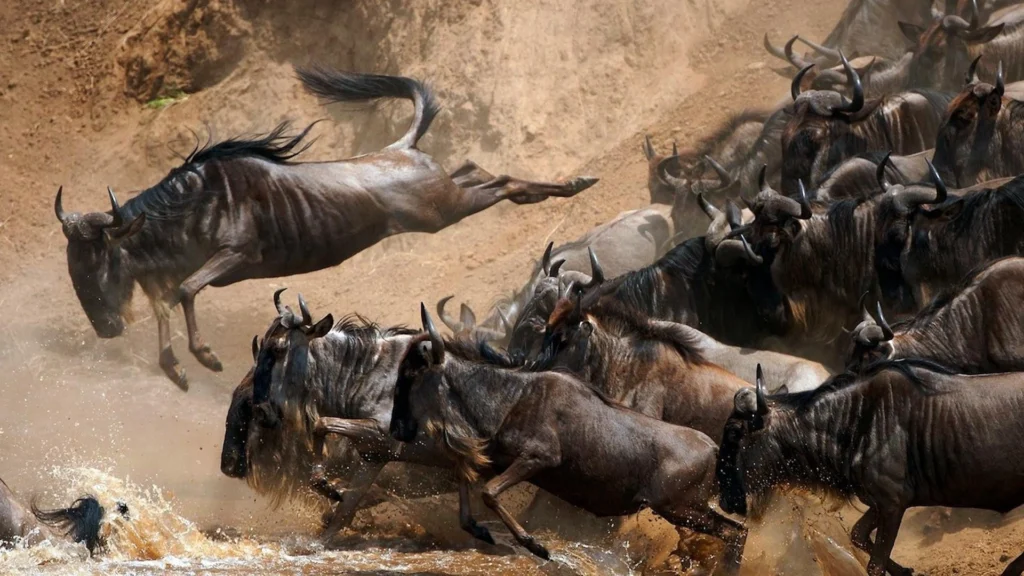
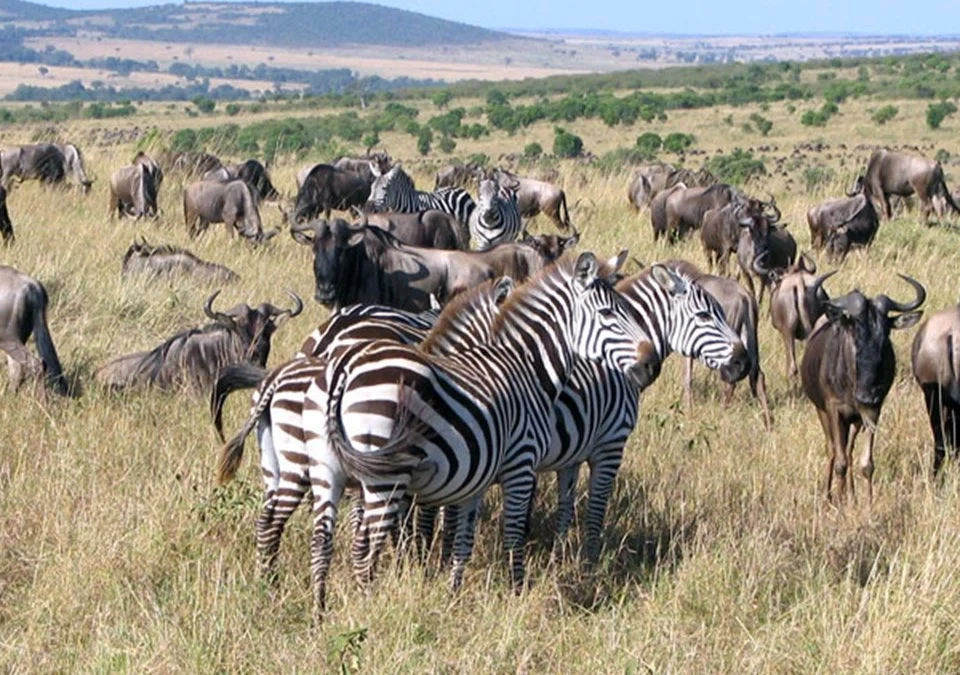
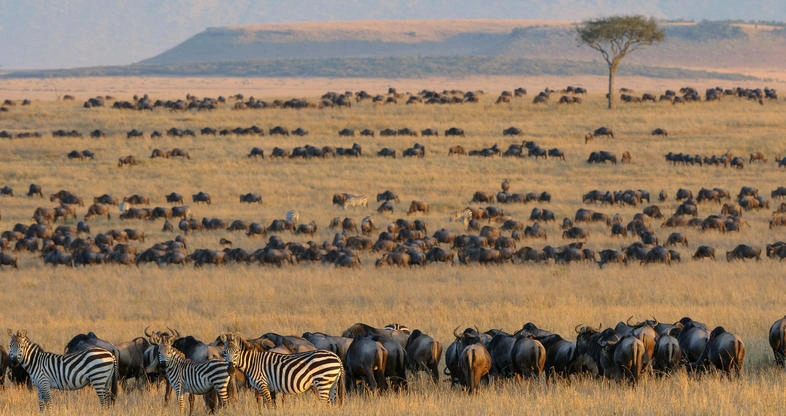
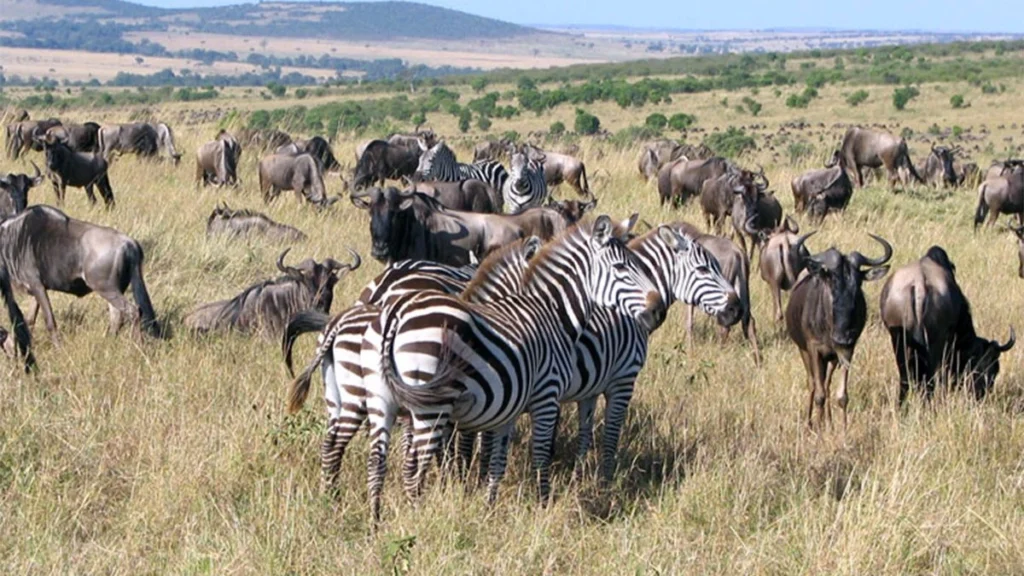
Family Safaris to See the Wildebeest Migration. The wildebeest migration is one of the most iconic wildlife spectacles in East Africa. Every year, millions of wildebeest, zebras, and gazelles traverse the plains of the Serengeti and Maasai Mara in search of fresh grazing and water. While this event draws adventurers and wildlife enthusiasts from around the world, it is also an incredible opportunity for families to experience the magic of Africa together. Family safaris to witness the migration can be educational, exciting, and memorable for travelers of all ages.
With careful planning, families can enjoy this adventure while keeping logistics manageable, ensuring that children and older members of the group have a safe and comfortable experience. Family safaris often combine game drives, wildlife viewing, cultural experiences, and relaxing accommodations to create a well-rounded adventure for everyone.
Why the Wildebeest Migration Is Perfect for Families
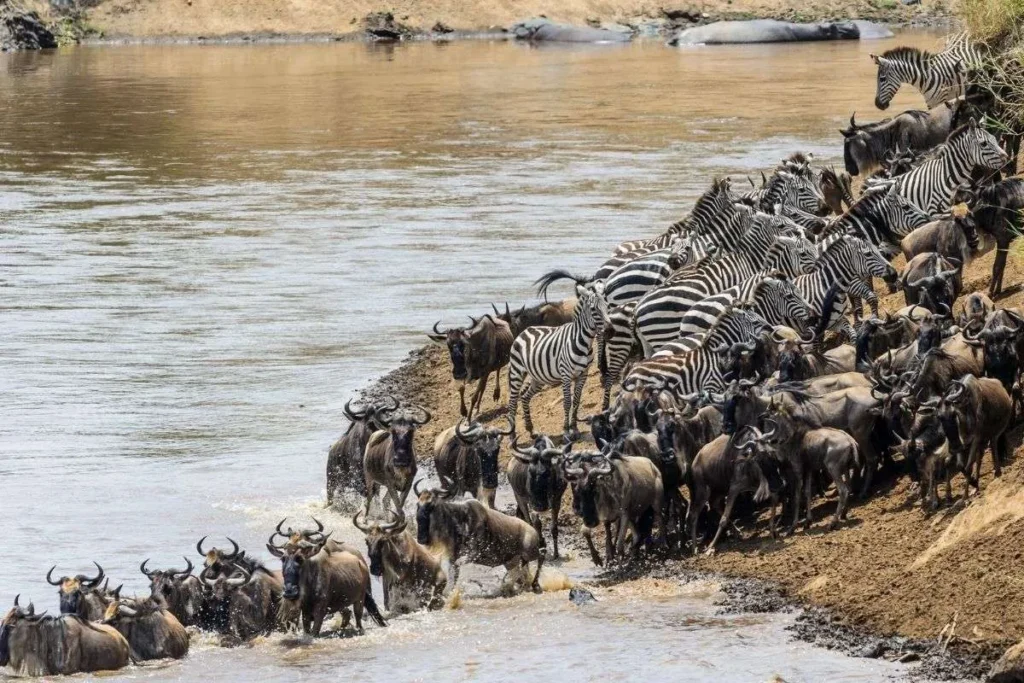
The Great Migration is a wildlife event that offers something for everyone. Children are fascinated by the large herds moving across the plains, predator-prey interactions, and river crossings. Adults appreciate the breathtaking landscapes, photography opportunities, and the chance to observe complex wildlife behaviors in the wild.
Family safaris allow children to learn about ecosystems, conservation, and animal behavior firsthand. Observing animals in their natural habitats helps instill a sense of curiosity and respect for wildlife. Additionally, these safaris often provide guided educational experiences, which make the trip both fun and informative.
Best Time for Family Migration Safaris
Planning a family safari around the migration requires understanding the movement patterns of the animals. The best time to visit depends on which stage of the migration families wish to see.
- January to March: This is the calving season in the southern Serengeti. Families can witness thousands of wildebeest calves being born and learn about predator-prey dynamics.
- June to July: The herds begin moving northward, passing through central Serengeti. This is slightly less crowded and can offer a more relaxed experience for families with younger children.
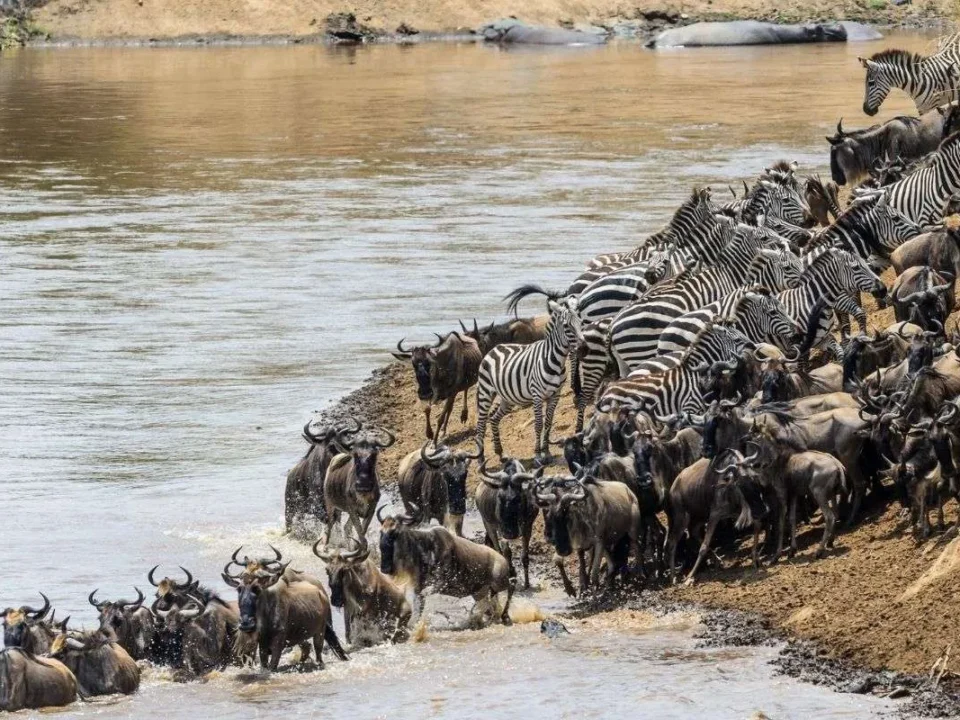
- July to October: The migration reaches the Maasai Mara in Kenya. Dramatic river crossings and interactions with crocodiles are highlights of this period. While exciting, families with very young children may prefer to watch from safer vantage points during river crossings.
Family-Friendly Accommodation
Choosing the right accommodation is key to a successful family safari. Many lodges and camps in the Serengeti and Maasai Mara offer family-friendly options, including larger tents, family suites, and amenities suitable for children.
Budget-friendly lodges and tented camps provide comfortable rooms, meals, and guided safari experiences while ensuring safety for younger travelers. Some lodges include swimming pools, playgrounds, or cultural activities to keep children engaged during downtime.
Camping can also be a family-friendly option for older children who enjoy adventure, provided that safety measures are in place and tents are well-equipped.
Safari Activities Suitable for Families
Family migration safaris can include a variety of activities beyond traditional game drives. Guided walks near the lodges, birdwatching, and educational sessions on wildlife and conservation provide interactive experiences for children.
Many safari operators offer short, half-day drives for families with younger children to avoid long hours on rough roads. Cultural visits to Maasai villages or local communities give children a glimpse of local traditions, crafts, and lifestyles. These activities are designed to balance adventure with relaxation and learning.
Wildlife Viewing Tips for Families
When traveling with children, it’s important to prioritize safety and comfort while maximizing wildlife viewing opportunities.
- Sit higher in safari vehicles for better visibility.
- Use binoculars for a closer view of distant herds and predator interactions.
- Bring cameras or smartphones to capture memories while teaching children about wildlife photography.
- Avoid sudden movements or loud noises that might disturb animals or other safari guests.
Guides are trained to adjust the pace of the safari to accommodate families, ensuring that children remain engaged without becoming tired or overwhelmed.
Preparing for a Family Safari
Preparation is essential for a successful family safari. Families should pack appropriately for the African savannah, including sturdy walking shoes, sun hats, sunscreen, insect repellent, and comfortable clothing.
Travel insurance, vaccinations, and health precautions are also critical, especially for families traveling with young children. Bringing snacks, water, and personal items in a small daypack ensures that children remain comfortable during long game drives.
Educational Benefits of Family Safaris
Family safaris provide unique educational opportunities. Children learn about wildlife behavior, ecological relationships, and the importance of conservation. Observing the wildebeest migration firsthand helps children understand animal adaptations, seasonal changes, and predator-prey dynamics.
Parents can engage children in discussions about ecosystems, biodiversity, and sustainable tourism, making the trip both fun and informative. These lessons often leave a lasting impression and foster a lifelong appreciation for wildlife and nature.
Why Families Should Experience the Migration
Witnessing the wildebeest migration as a family creates shared memories that last a lifetime. From dramatic river crossings to peaceful plains filled with grazing animals, every moment is a chance to bond, explore, and learn together.
Family safaris also teach resilience, adaptability, and teamwork as families navigate game drives, hikes, and cultural experiences. For children, seeing animals in their natural environment is far more impactful than watching them on television or in a zoo.