Budget Gorilla Trekking Safaris in Uganda

Complete Guide to Gorilla Trekking in Bwindi National Park
March 12, 2026
What to Pack for a Gorilla Trekking Safari
March 12, 2026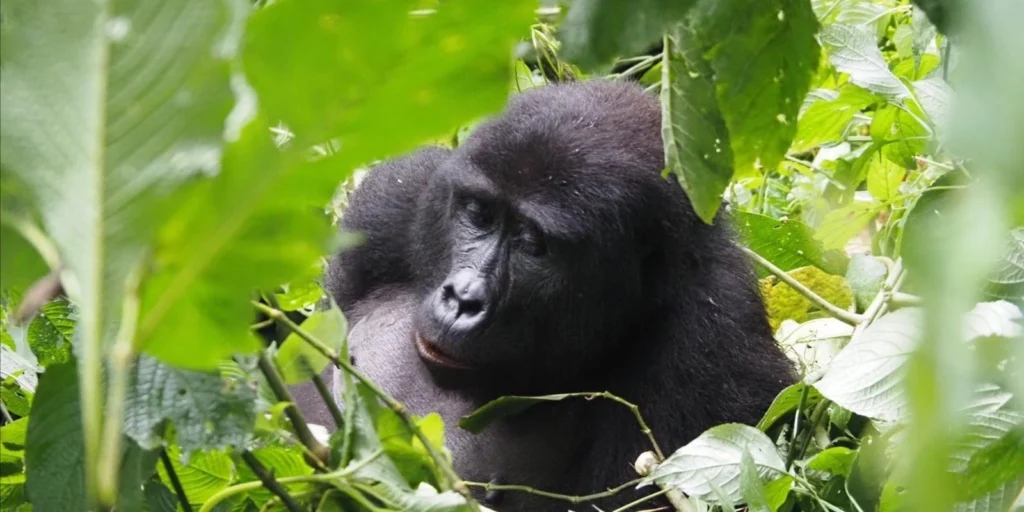
Budget gorilla trekking safaris in Uganda offer travelers an incredible opportunity to experience one of the world’s most unforgettable wildlife encounters without spending a fortune. Uganda is home to a large population of endangered mountain gorillas, making it one of the best destinations in Africa for gorilla trekking. With careful planning, visitors can enjoy this life-changing adventure while keeping travel costs manageable.
Gorilla trekking involves hiking through dense tropical rainforest in search of a habituated gorilla family. Once the gorillas are located, visitors are allowed to spend one hour observing them in their natural habitat. Watching a powerful silverback protect his family, young gorillas playing among the trees, and mothers caring for their babies creates a powerful and emotional wildlife experience.
For travelers looking to explore Africa on a budget, Uganda provides several affordable options for gorilla trekking. From reasonably priced permits to budget accommodation and shared transport, it is possible to plan a memorable safari without the high costs often associated with luxury wildlife tours.
Why Uganda Is Ideal for Budget Gorilla Trekking
Uganda has become one of the most popular destinations for budget-friendly gorilla trekking. Compared to neighboring countries where mountain gorillas live, Uganda offers a more affordable permit price, making it accessible to a wider range of travelers.
Gorilla trekking in Uganda mainly takes place in Bwindi Impenetrable National Park and Mgahinga Gorilla National Park. Both parks are located in the southwestern region of the country and protect important populations of mountain gorillas.
Bwindi Impenetrable National Park is particularly famous for hosting nearly half of the world’s remaining mountain gorillas. The park’s dense forest, steep hills, and rich biodiversity create a dramatic setting for trekking adventures.
The relatively lower cost of gorilla permits in Uganda makes the country an attractive option for travelers who want to experience gorilla trekking without the high price tags found elsewhere.
Cost of Gorilla Trekking Permits in Uganda
The gorilla trekking permit is the most important cost when planning a gorilla safari. Every visitor must obtain a permit before participating in the trek.
Permits are issued by the Uganda Wildlife Authority, the government body responsible for managing wildlife conservation and national parks.
A standard gorilla trekking permit in Uganda costs $800 per person for international visitors. This permit allows a traveler to join a guided trek and spend one hour observing a habituated gorilla family in the forest.
Although this may seem expensive, Uganda’s permit price is significantly lower than in some other destinations, making it more accessible for budget travelers.
The permit fee includes park entry, the services of professional ranger guides, and security during the trek. However, it does not include accommodation, transportation, or meals, which must be planned separately.
Budget Accommodation Options
One of the best ways to reduce the cost of a gorilla trekking safari is by choosing budget accommodation near the national parks. Many lodges, guesthouses, and campsites offer affordable rooms while still providing comfortable services for visitors.
Budget lodges near Bwindi often provide basic but clean rooms, local meals, and beautiful views of the surrounding forest. Some accommodations are run by local communities, which means that staying there also supports community development.
Travelers who prefer even lower costs can sometimes find campsites where they can set up tents or stay in simple cabins. These options are ideal for backpackers and adventure travelers looking to explore Uganda on a limited budget.
Despite being budget-friendly, many of these accommodations still offer warm hospitality and opportunities to experience local culture.
Affordable Transportation Options
Transportation is another major factor that affects the cost of a gorilla trekking safari. Bwindi and Mgahinga are located several hours away from major cities, so travelers must plan their journey carefully.
Budget travelers often choose shared safari vehicles or public transportation to reach the southwestern region of Uganda. While these options may take longer than private transfers, they can significantly reduce travel costs.
Some travelers also choose group tours where transportation is shared among several visitors. Sharing the cost of fuel and vehicle hire can make a gorilla safari much more affordable.
For those traveling independently, combining public buses with short taxi rides can also be a practical way to reach the gorilla parks.
Short Budget Gorilla Trekking Itineraries
Travelers who want to keep their safari affordable often choose shorter itineraries. A typical budget gorilla trekking safari may last between two and four days.
A short itinerary usually includes travel to the park, the gorilla trekking experience itself, and the return journey. This approach reduces accommodation and transportation costs while still allowing visitors to enjoy the highlight of the trip.
Many travelers also combine gorilla trekking with other affordable activities such as nature walks, community visits, or birdwatching around the park areas.
Even with a short itinerary, the experience of trekking through the rainforest and encountering mountain gorillas remains incredibly rewarding.
Hiring Porters During the Trek
Although hiring a porter is optional, it is highly recommended during gorilla trekking. Porters are local community members who assist visitors by carrying bags and helping them navigate difficult sections of the trail.
The cost of hiring a porter is relatively small, but the benefits are significant. The assistance makes the trek easier, especially on steep or muddy trails.
Hiring porters also supports local communities by providing employment opportunities and encouraging community participation in conservation efforts.
For budget travelers, this small additional expense greatly improves the trekking experience while also benefiting the people living near the park.
Best Time for Budget Gorilla Trekking
Gorilla trekking in Uganda is possible throughout the year, but some seasons may be more suitable for budget travelers.
The rainy seasons, which typically occur between March and May and again between October and November, often have fewer tourists visiting the parks. During these periods, some accommodations may offer discounted rates to attract visitors.
Although the trails may be muddy, the forest becomes lush and vibrant, creating beautiful scenery for trekking.
The dry seasons between June and September and December to February are the most popular times for gorilla trekking. Trails are generally easier to navigate during these months, but accommodation prices may be slightly higher due to increased demand.
Budget travelers who are flexible with travel dates can sometimes find better deals during the quieter months.
Tips for Planning a Budget Gorilla Safari
Planning carefully is essential for keeping the cost of a gorilla trekking safari affordable. One of the most important tips is to book gorilla permits early, especially during peak travel seasons.
Traveling in groups can also reduce costs because expenses such as transportation and guiding services can be shared among several travelers.
Choosing budget lodges, using shared transport, and limiting the safari to a few days are all effective ways to manage travel expenses.
Visitors should also pack essential trekking gear such as hiking boots, rain jackets, and comfortable clothing to avoid purchasing expensive equipment during the trip.
With proper planning and preparation, it is possible to experience gorilla trekking in Uganda without exceeding a reasonable travel budget.
The Value of Budget Gorilla Trekking
Even when traveling on a budget, the experience of gorilla trekking remains extraordinary. Standing quietly in the forest just a few meters away from a family of mountain gorillas is an emotional and humbling moment.
Watching the gentle behavior of these powerful animals, listening to their sounds, and observing their social interactions creates a deep appreciation for wildlife and conservation.
Budget safaris allow more travelers to experience this incredible encounter while still contributing to the protection of endangered gorillas and their habitats.