Calving Season in the Southern Serengeti
Combining the Great Migration and Big Five Safaris
March 3, 2026Photography Guide to the Great Migration Safari
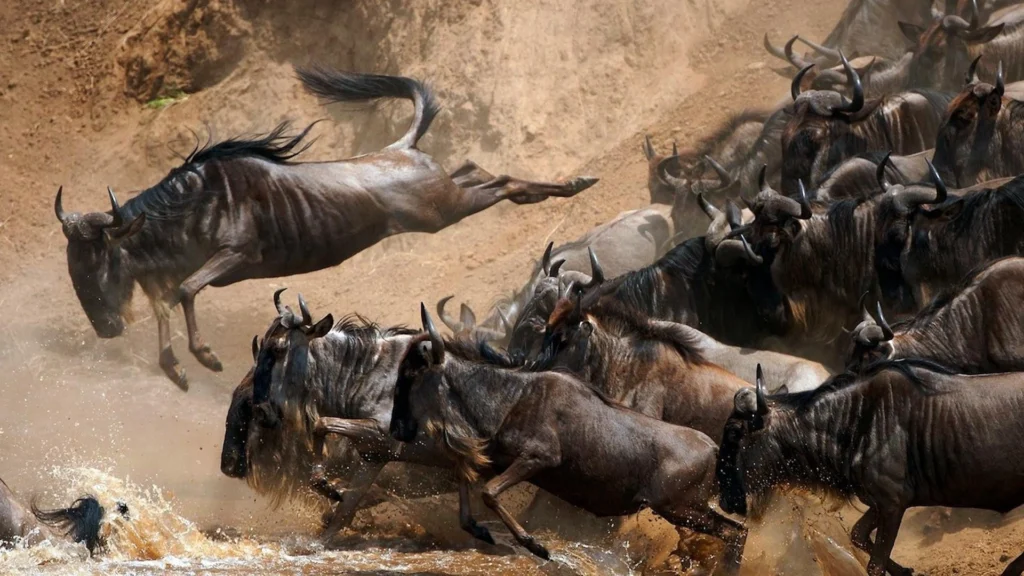
March 3, 2026Calving Season in the Southern Serengeti. The Southern Serengeti is one of Africa’s most dynamic wildlife regions, and the calving season is a spectacle that draws travelers from around the world. Occurring annually between January and March, this period sees thousands of wildebeest giving birth across the plains, creating a scene filled with life, drama, and raw natural energy. The calving season is not only crucial for the survival of the species but also provides an incredible opportunity for wildlife observation and photography.
What Happens During Calving Season
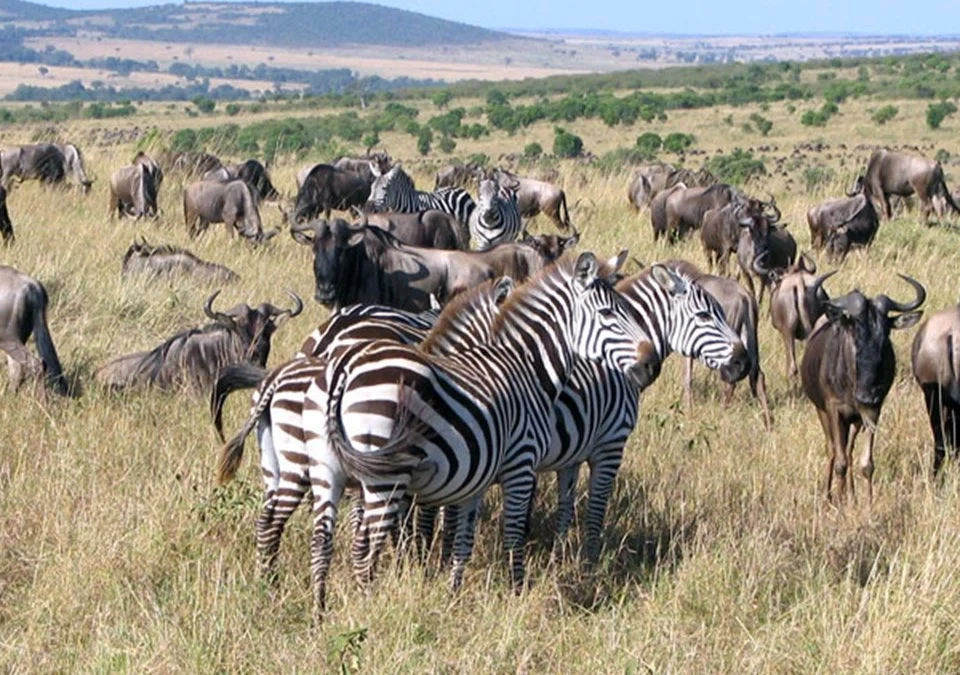
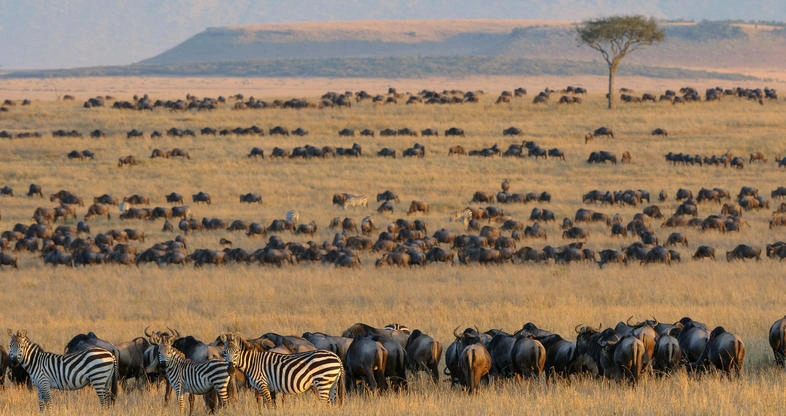
During the calving season, the southern Serengeti becomes a birthing ground for over half a million wildebeest. Most calves are born within a short span of days, resulting in a high concentration of newborns. This synchronized birthing strategy reduces the risk of predation for each individual calf, but also attracts lions, hyenas, cheetahs, and other predators.
Visitors to the southern plains during this time can witness the full cycle of life and death, observing predator-prey interactions up close while also seeing newborn wildebeest taking their first wobbly steps across the plains.
Wildlife Dynamics During Calving
The calving season transforms the Serengeti into a hub of wildlife activity. Predators take advantage of the abundance of young and vulnerable prey, creating high-intensity hunting scenes. Lions are often seen coordinating group hunts, cheetahs stalk agile calves, and hyenas roam in large clans to exploit opportunities.
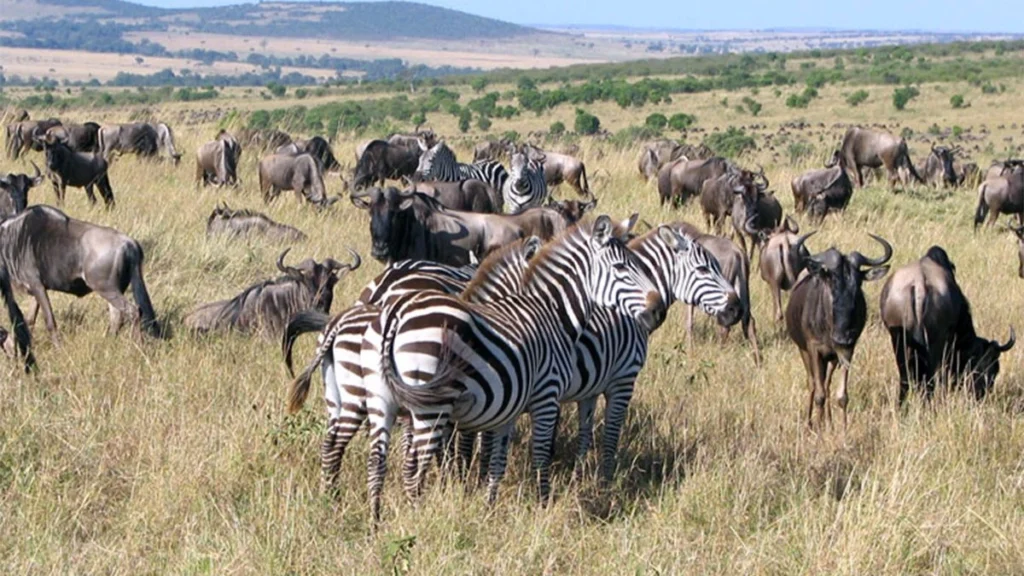
At the same time, herbivores such as zebras, gazelles, and adult wildebeest are highly active, feeding, moving, and caring for their young. This period offers a rare chance to observe natural behaviors that are usually spread out across the year.
Birdlife and Secondary Wildlife
Calving season doesn’t just benefit predators — it also draws a variety of scavenger birds such as vultures, marabou storks, and eagles. These species thrive in the Serengeti ecosystem, taking advantage of the rich food sources available during the peak of the calving season.
Additionally, the southern Serengeti remains home to elephants, giraffes, buffalo, and other antelopes, allowing visitors to enjoy a diverse wildlife experience beyond the migration and calving activity.
Photography Opportunities
For photographers, the calving season is a dream come true. The combination of newborn calves, vigilant mothers, predators in action, and golden savannah light creates dramatic and dynamic scenes. Early morning and late afternoon game drives provide the best lighting, while the sheer density of animals allows for both close-up shots and sweeping landscape photography.
Optimal Timing and Safari Planning
The peak calving period occurs from late January to early March. Traveling during this window ensures the highest probability of witnessing the birth of calves and the associated predator activity. Safari itineraries typically focus on the southern Serengeti, where the concentration of wildebeest is highest during this period.
Planning ahead is essential, as this is one of the most popular times for wildlife tourism in Tanzania. Booking accommodations and game drives in advance ensures a smoother experience.
Conservation and Ecological Significance
Calving season is a critical ecological event that maintains the balance of the Serengeti ecosystem. The large number of births sustains predator populations while ensuring the continuation of the wildebeest migration. Protected areas in Tanzania work to safeguard these plains, preserving both the animals and the natural processes that support them.
Responsible tourism during this season allows visitors to witness the spectacle without disturbing the wildlife, contributing to long-term conservation efforts.
Experiencing the Southern Serengeti Calving Season
Visiting the southern Serengeti during calving season is a once-in-a-lifetime wildlife experience. From observing newborn wildebeest taking their first steps to watching lions, hyenas, and cheetahs in pursuit, every moment is filled with drama, learning, and awe.
For wildlife enthusiasts, photographers, and adventure travelers, this period offers some of the most intense and memorable encounters in East Africa. The calving season is not only a testament to the resilience of life but also a reminder of the interconnectedness of Africa’s savannah ecosystems.