Combining the Great Migration and Gorilla Trekking Safari

Balloon Safaris Over the Great Migration in the Serengeti
March 12, 2026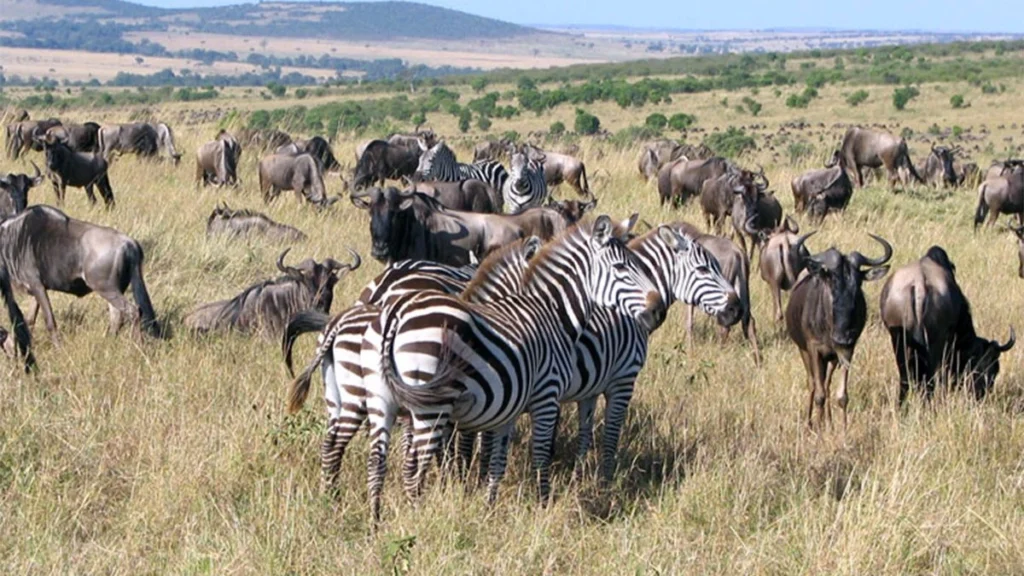
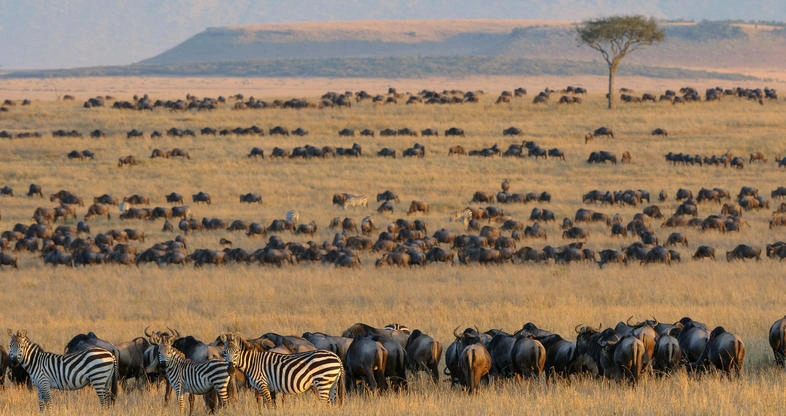
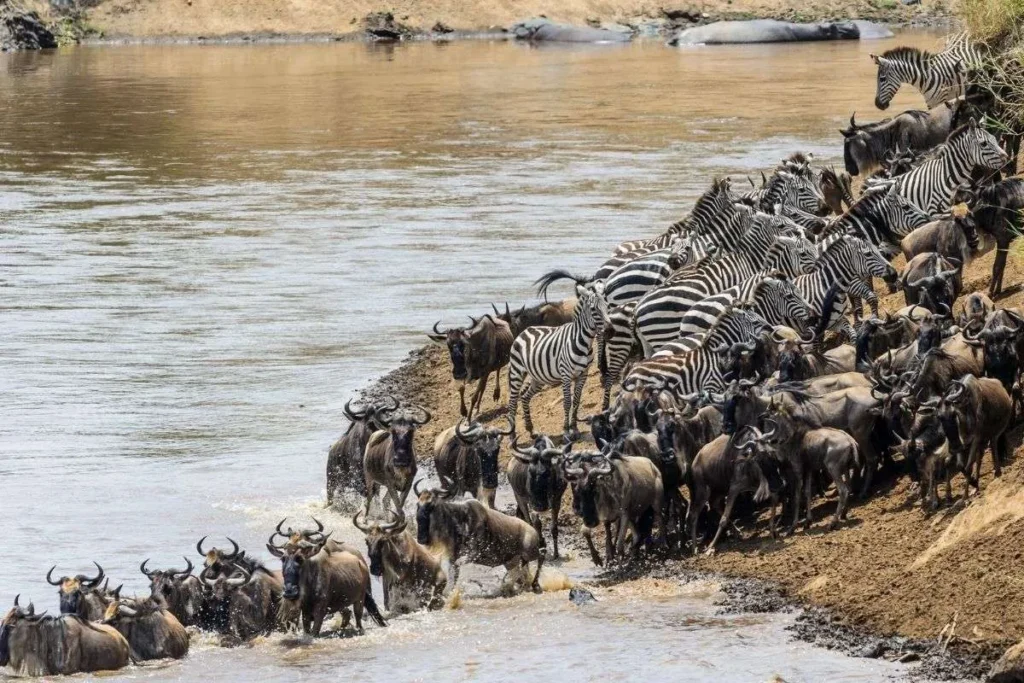
Combining a Great Migration safari with gorilla trekking offers travelers one of the most extraordinary wildlife experiences in East Africa. This unique itinerary allows visitors to witness the dramatic movement of wildebeest and zebras across the plains of Serengeti National Park and Maasai Mara National Reserve, while also trekking through lush rainforests in search of endangered mountain gorillas in Bwindi Impenetrable National Park or Mgahinga Gorilla National Park. The combination offers both savannah and forest experiences, providing a comprehensive view of East Africa’s remarkable biodiversity.
This type of safari is ideal for adventure seekers, wildlife enthusiasts, and families who want to witness the diversity of East Africa’s ecosystems within a single journey. By blending these two iconic wildlife experiences, travelers can enjoy the best of both worlds—dramatic plains wildlife and intimate primate encounters.
Overview of the Combined Safari
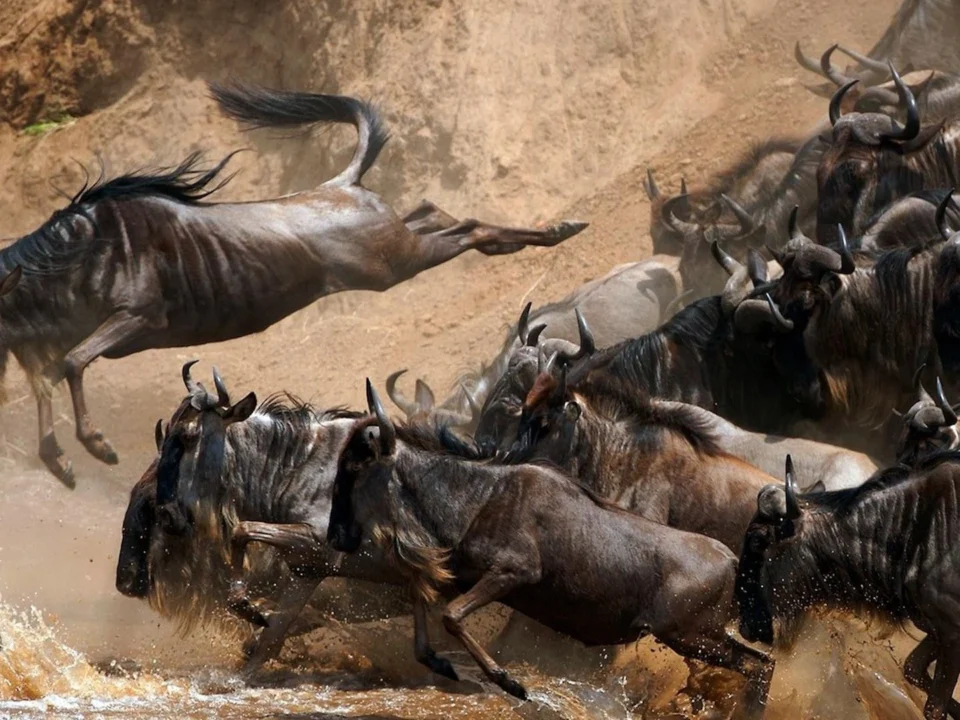
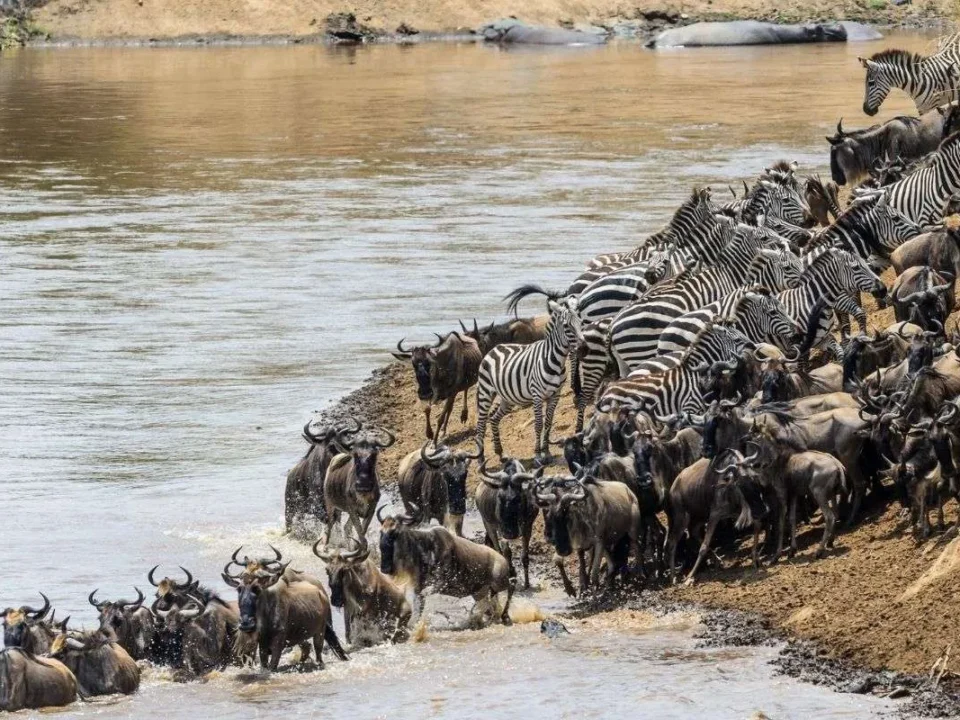
A combined Great Migration and gorilla trekking safari usually spans between 10 and 14 days, depending on travel pace and park selections. Most itineraries begin with the migration safari, which involves game drives in the Serengeti or Maasai Mara to witness large herds, predator activity, and river crossings.
After exploring the open plains, travelers move to Uganda for gorilla trekking. Bwindi and Mgahinga offer guided treks through dense rainforest to observe habituated gorilla families. Each gorilla encounter typically lasts one hour, providing a once-in-a-lifetime wildlife experience.
This combination allows visitors to experience both the expansive savannahs of East Africa and the misty, ancient forests of Uganda, making it one of the most complete wildlife adventures available.
Wildlife Highlights
During the Great Migration portion of the safari, travelers can expect to see:
- Millions of wildebeest, zebras, and gazelles moving across the plains.
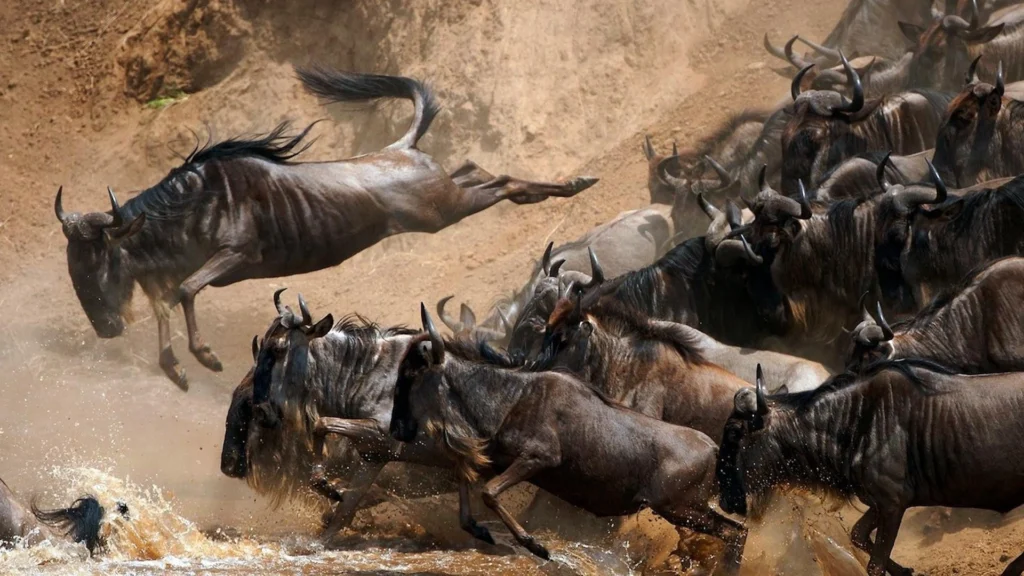
- Dramatic river crossings with crocodiles and intense predator-prey interactions.
- Predators such as lions, cheetahs, leopards, and hyenas following the migrating herds.
- Other wildlife including elephants, giraffes, buffalo, and hundreds of bird species.
During the gorilla trekking portion, visitors can encounter:
- Mountain gorilla families, including dominant silverbacks, playful juveniles, and caring mothers.
- Other primates such as colobus monkeys and chimpanzees, depending on the forest region.
- Rare bird species and unique plant life in the rainforest ecosystem.
Combining these experiences offers a rich and varied wildlife safari that is unmatched in Africa.
Best Time to Travel
Timing is crucial when planning a combined safari to maximize both experiences.
- Great Migration: The best periods depend on the migration stage. Calving season occurs in the southern Serengeti from January to March. River crossings are most dramatic between July and October in northern Serengeti and Maasai Mara.
- Gorilla Trekking: Gorilla trekking is possible year-round in Bwindi and Mgahinga, although dry seasons between June and September and December to February offer easier trekking conditions.
Travelers should plan itineraries to allow sufficient time for both experiences while avoiding excessive travel fatigue.
Itinerary Suggestions
A typical combined safari may include:
- Arrival in Nairobi or Arusha, transfer to the migration park.
- 3–5 days of game drives in the Serengeti or Maasai Mara to witness herds, river crossings, and predators.
- Scenic flights or road transfers to Uganda, arriving in Bwindi or Mgahinga.
- Gorilla trekking day(s), including park briefings, guided hikes, and one-hour gorilla encounters.
- Optional community visits or nature walks in the rainforest to complement the trekking experience.
- Departure from Kampala or nearby airports.
This type of itinerary balances the intensity of wildlife encounters with sufficient rest and travel time.
Accommodation Options
Travelers can choose from a variety of accommodations depending on budget and preference.
- Migration Safari: Options range from budget lodges and tented camps to luxury safari lodges within the Serengeti and Maasai Mara. Shared accommodations can reduce costs, while family or group tents provide comfortable options for multiple travelers.
- Gorilla Trekking: Bwindi and Mgahinga offer budget lodges, community-run guesthouses, and mid-range lodges close to trekking starting points. Camping is possible in designated areas for more adventurous travelers.
Selecting accommodations that are strategically located near parks reduces travel time and maximizes wildlife viewing opportunities.
Tips for a Successful Combined Safari
- Book gorilla trekking permits well in advance, as they are limited and highly sought after.
- Consider internal flights to reduce travel time between migration areas and gorilla parks.
- Pack appropriately for both savannah and rainforest environments, including sturdy shoes, rain gear, insect repellent, and sun protection.
- Bring binoculars and cameras with zoom lenses for capturing wildlife moments both on the plains and in the forest.
- Schedule sufficient rest days to recover from long drives or early morning game drives.
Following these tips ensures a comfortable, safe, and memorable experience.
Benefits of Combining Both Safaris
Combining the Great Migration and gorilla trekking provides several unique advantages:
- Diverse Wildlife: Experience both large savannah herds and rare mountain gorillas in their natural habitats.
- Scenic Variety: See open plains, rivers, and acacia woodlands, as well as misty mountains and dense rainforests.
- Comprehensive Adventure: Enjoy predator-prey action, dramatic migrations, and intimate wildlife encounters within a single trip.
- Educational Opportunities: Learn about ecosystem dynamics, conservation, and the behaviors of species in vastly different habitats.
This combination is ideal for wildlife enthusiasts, families, photographers, and travelers seeking a truly immersive African adventure.