Cost of a Gorilla Trekking and Migration Safari in East Africa

Best Months to Combine Gorilla Trekking and the Great Migration
March 5, 2026
What to Pack for Gorilla Trekking and Migration Safaris
March 5, 2026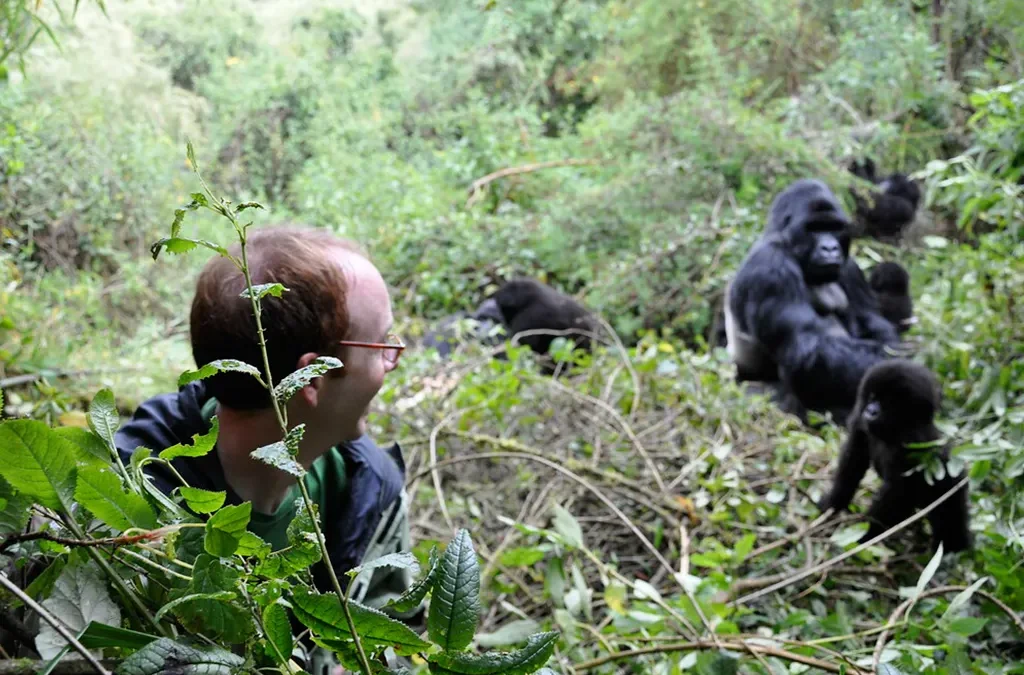
Cost of a Gorilla Trekking and Migration Safari in East Africa. A safari that combines gorilla trekking and the Great Migration is one of the most extraordinary wildlife experiences in Africa. This type of safari takes travelers from the dense mountain forests where gorillas live to the vast savannah plains where millions of animals migrate each year. While the experience is unforgettable, understanding the cost of such a safari is important for planning a realistic travel budget.
The total cost depends on several factors, including gorilla permits, accommodation, transportation, park fees, and the number of days spent exploring different national parks across East Africa.
Gorilla Trekking Permit Costs
The biggest single cost in a gorilla trekking safari is the gorilla permit. This permit allows visitors to spend one hour with a habituated mountain gorilla family in the wild.
In Bwindi Impenetrable National Park and Mgahinga Gorilla National Park, the gorilla trekking permit costs about $800 per person for foreign non-residents, according to the Uganda Wildlife Authority tariff for 2024–2026.
In Volcanoes National Park, the permit costs about $1,500 per person, reflecting Rwanda’s premium tourism strategy.
These permits include ranger guides, park entry for the trekking activity, and conservation contributions that support gorilla protection and local communities.
Because permits are limited each day, travelers usually need to book them several months in advance.
Cost of a Great Migration Safari
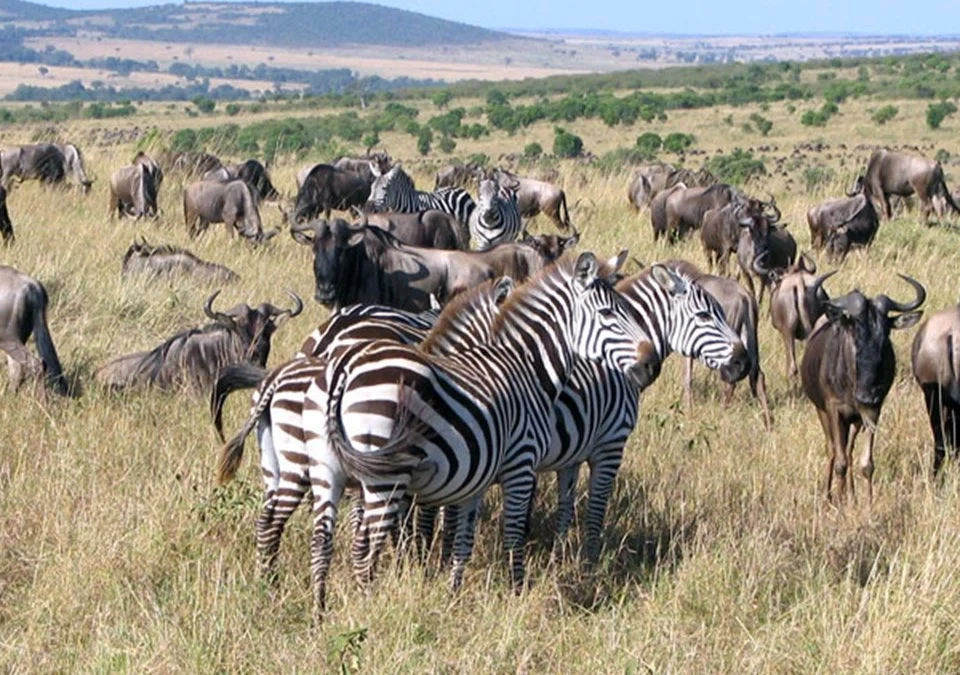
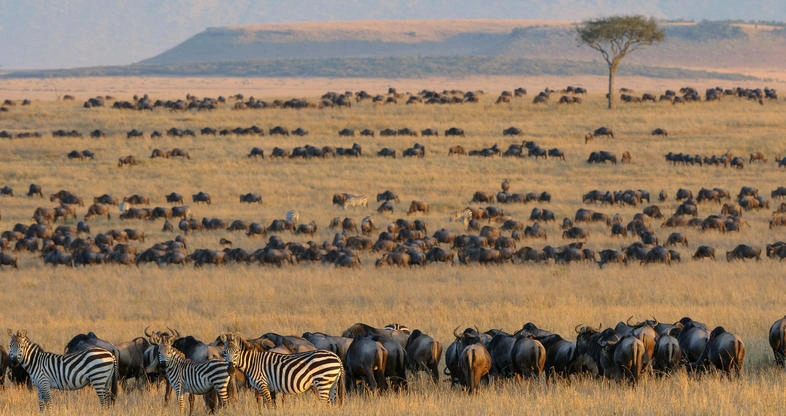
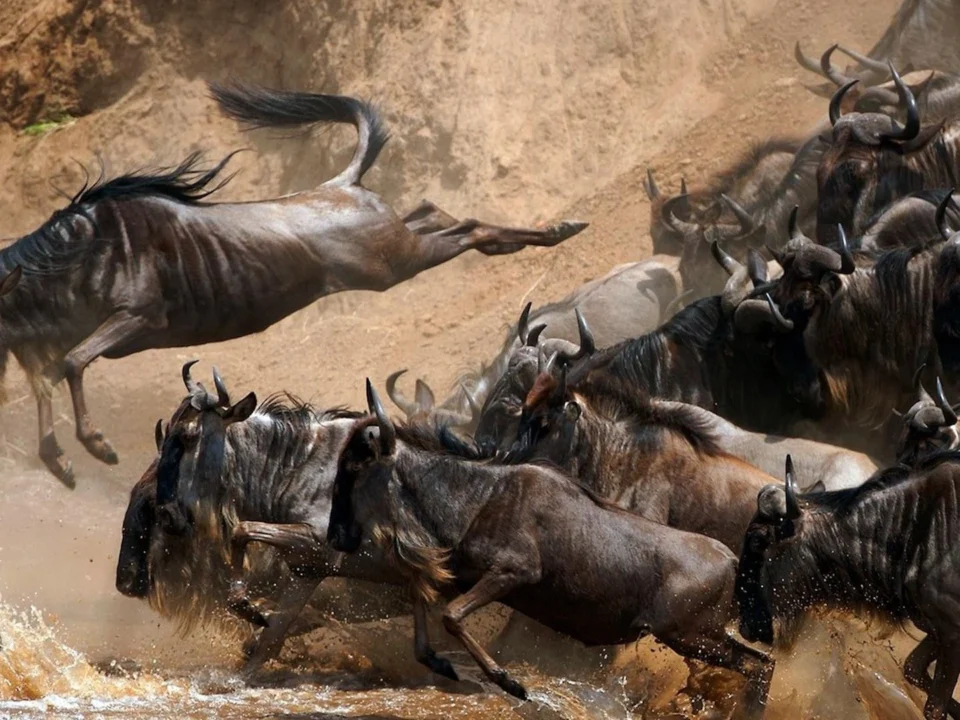
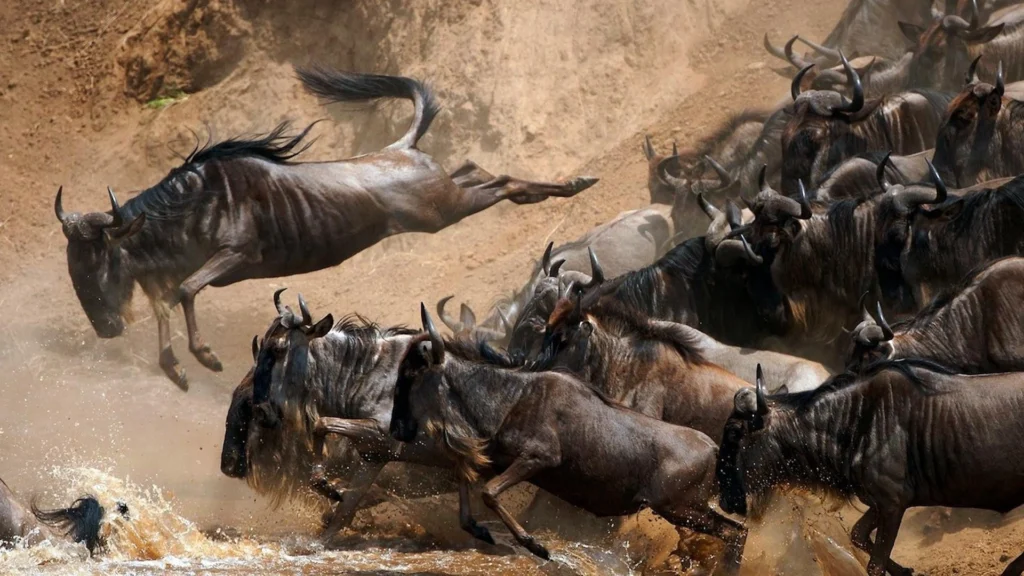
The second part of the combined safari focuses on witnessing the Great Migration, which occurs across the plains of Serengeti National Park and Maasai Mara National Reserve.
Migration safaris usually involve game drives in safari vehicles, guided by experienced wildlife guides who track the movement of herds and predators. The cost of this part of the safari depends mainly on accommodation and the number of days spent in the national parks.
Typical daily safari costs include accommodation, meals, park entrance fees, and guided game drives. Budget safaris may cost around $200–$350 per person per day, while mid-range options often range between $350–$700 per person per day. Luxury safaris can exceed $1,000 per person per day depending on the lodge or tented camp.
The migration safari is often combined with visits to other wildlife areas, making the experience even more diverse.
Accommodation Costs During the Safari
Accommodation is another major factor influencing the total safari price. East Africa offers a wide range of options, from simple lodges to luxury safari camps located in prime wildlife areas.
Budget lodges near gorilla trekking areas usually cost around $80–$150 per night, while mid-range lodges range from $150–$450 per night. Luxury lodges can range from $250 to more than $1,500 per night, depending on comfort and location.
In the migration regions, tented camps and lodges often provide full board services that include meals, guided game drives, and sometimes even sundowner experiences overlooking the savannah.
Staying close to wildlife areas helps maximize safari experiences and reduces travel time during game drives.
Transportation Costs
Transportation is another important cost when combining gorilla trekking with the migration. Since the safari involves traveling between different countries and national parks, visitors may use both road transfers and domestic flights.
Private 4×4 safari vehicles are commonly used for road travel, particularly in remote areas. Renting a customized safari vehicle can cost around $150–$200 per day, depending on the vehicle size and equipment.
Domestic flights between safari destinations can also be used to save time, especially when traveling between Uganda, Rwanda, Kenya, or Tanzania. These flights usually cost several hundred dollars depending on distance and airline availability.
Park Entrance and Activity Fees
Besides gorilla permits, travelers must also pay national park entrance fees and activity fees during the safari. These fees support wildlife conservation and the maintenance of protected areas.
Park entrance fees vary by country and park but usually range between $40 and $100 per person per day. Activities such as guided walks, boat cruises, or cultural visits may have additional charges.
These costs are often included in safari packages offered by tour operators.
Typical Cost of a Combined Safari
The overall cost of a safari combining gorilla trekking and the Great Migration depends on the number of days and travel style.
A typical 7–10 day safari that includes gorilla trekking and a migration experience can cost approximately:
- Budget safari: $3,500 – $5,000 per person
- Mid-range safari: $5,000 – $8,000 per person
- Luxury safari: $8,000 – $15,000+ per person
These estimates usually include accommodation, transportation, guides, meals, and park activities, but international flights are often not included.
The largest cost difference between countries usually comes from gorilla permit prices and luxury lodge rates.
Additional Costs to Consider
Travelers planning a safari should also consider several additional costs. These may include visas, travel insurance, porter fees during gorilla trekking, and personal expenses such as souvenirs or tips for guides.
Porters are often available during gorilla trekking to help carry backpacks or assist during steep hikes. Hiring a porter usually costs around $20 per trek, but it also supports local communities living near the national parks.
Travel insurance is also recommended because safari activities involve travel in remote areas.
Why the Safari Is Worth the Cost
Although a combined gorilla trekking and migration safari can be expensive, it offers two of the most iconic wildlife experiences in the world. Watching mountain gorillas in a misty forest and witnessing millions of migrating animals across the savannah is an adventure few places on Earth can offer.
These safaris also contribute significantly to conservation. Gorilla permit fees help fund anti-poaching patrols, habitat protection, and community development projects around protected areas.
By participating in responsible tourism, visitors help ensure that these remarkable wildlife experiences remain available for future generations.
A Unique Wildlife Journey Across East Africa
A safari that combines gorilla trekking and the Great Migration is truly a once-in-a-lifetime journey. From the dense forests of Central Africa to the open plains of East Africa, the experience showcases the incredible biodiversity of the region.