Cost of Gorilla Trekking Permits in Uganda and Rwanda

Ultimate 2-Week East Africa Safari Adventure
March 5, 2026
Complete Guide to Gorilla Trekking in Bwindi National Park
March 12, 2026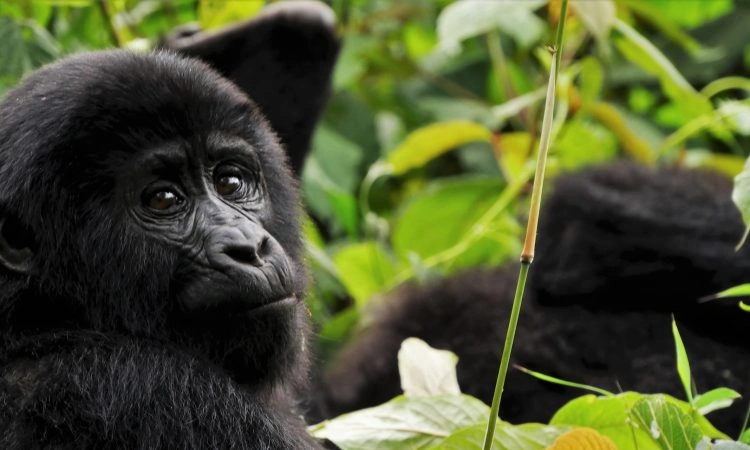
Cost of Gorilla Trekking Permits in Uganda and Rwanda. Gorilla trekking is one of the most remarkable wildlife experiences in the world. Hidden within the dense forests of East Africa, mountain gorillas live in small family groups that are carefully protected by conservation authorities. Trekking through these forests to observe these magnificent primates in their natural environment is an unforgettable adventure for travelers who visit the region.
Uganda and Rwanda are the two most popular destinations for gorilla trekking. Both countries have invested heavily in conservation programs to protect the endangered mountain gorillas while allowing visitors to experience them responsibly. However, before planning such an adventure, travelers must understand the cost of gorilla trekking permits, which is the most important requirement for participating in this activity.
A gorilla trekking permit is an official document issued by wildlife authorities that allows visitors to track and spend time with a gorilla family in the wild. Because gorillas are endangered and sensitive to human interaction, the number of visitors allowed to see them each day is strictly limited. The cost of the permit plays a major role in conservation, tourism management, and community support.
Understanding the cost of gorilla trekking permits in Uganda and Rwanda helps travelers plan their safari budgets and choose the destination that best suits their travel preferences.
What Is a Gorilla Trekking Permit?
A gorilla trekking permit is an official authorization that allows tourists to participate in a guided trek to see mountain gorillas in their natural habitat. Without a valid permit, it is not possible to enter the gorilla trekking areas within the national parks.
These permits are issued by national wildlife authorities responsible for managing protected areas and safeguarding wildlife populations. The permit system ensures that gorilla tourism remains sustainable while protecting the animals from excessive human contact.
Each gorilla family that is habituated to human presence can only be visited by a maximum of eight tourists per day. This rule helps reduce stress on the animals and minimizes the risk of transmitting human diseases to the gorillas.
When visitors purchase a permit, they gain access to the park for a guided trekking experience. The trek usually begins with a briefing from park rangers who explain the rules and expectations during the encounter with gorillas.
Once the gorillas are located, visitors are allowed to spend a maximum of one hour observing them. During this time, travelers can watch the gorillas interact, feed, groom one another, and move through the forest.
Cost of Gorilla Trekking Permits in Uganda
Uganda is widely considered one of the best destinations for gorilla trekking, largely because it offers a relatively affordable permit compared to other countries where mountain gorillas live.
The country is home to more than half of the world’s remaining mountain gorilla population. These gorillas are found mainly in Bwindi Impenetrable National Park and Mgahinga Gorilla National Park, both located in the southwestern part of the country.
The cost of a gorilla trekking permit in Uganda for foreign non-residents is currently $800 per person. This fee allows a visitor to join a guided trek and spend one hour with a habituated gorilla family.
Foreign residents living in East Africa pay approximately $700, while African nationals from other countries pay about $500. Citizens of East African Community countries pay a significantly reduced rate in local currency.
Uganda also offers a unique activity known as the gorilla habituation experience. This program allows visitors to spend more time with gorillas that are still being trained to tolerate human presence. Instead of one hour, participants can spend up to four hours observing and learning about the gorillas.
The permit for the gorilla habituation experience costs $1,500 per person. Although it is more expensive than the standard permit, it offers a deeper and more immersive wildlife experience.
Uganda’s permit price makes the country particularly attractive to travelers who want to experience gorilla trekking while keeping their safari costs manageable.
Cost of Gorilla Trekking Permits in Rwanda
Rwanda is another top destination for gorilla trekking and is known for offering a more luxurious and high-end safari experience. Gorilla trekking in Rwanda takes place in Volcanoes National Park, located in the northern part of the country near the border with Uganda and the Democratic Republic of Congo.
The cost of a gorilla trekking permit in Rwanda is $1,500 per person for international visitors. This price has remained consistent for several years as part of Rwanda’s strategy to promote high-value tourism.
African nationals and residents of East African countries may receive discounted permit rates depending on their residency status. However, the standard price for most international visitors remains significantly higher than in Uganda.
Despite the higher cost, Rwanda continues to attract many travelers because of the accessibility of its gorilla trekking destination. Volcanoes National Park is only a few hours’ drive from the capital city, making it one of the easiest gorilla trekking locations to reach.
Rwanda also focuses heavily on luxury tourism, with many high-end lodges and well-organized trekking experiences available for visitors.
Why Gorilla Trekking Permits Are Expensive
Many travelers are surprised by the high cost of gorilla trekking permits. However, these prices are carefully structured to support conservation efforts and sustainable tourism.
One of the main reasons permits are expensive is that mountain gorillas are critically endangered. Protecting them requires extensive funding for park management, ranger patrols, veterinary care, and anti-poaching operations.
Permit revenue plays a vital role in financing these conservation activities. Without tourism income, protecting gorillas and maintaining national parks would be extremely difficult.
Another important factor is community support. A portion of the revenue from gorilla tourism is shared with communities living near national parks. This funding helps support development projects such as schools, roads, water systems, and health facilities.
By ensuring that local communities benefit from tourism, governments help reduce human-wildlife conflict and encourage people to support conservation efforts.
The pricing of permits also helps regulate the number of visitors who enter gorilla habitats. Limiting tourism ensures that the gorillas are not overwhelmed by large crowds and that their natural behaviors are preserved.
What the Gorilla Permit Includes
A gorilla trekking permit covers several important services that make the experience possible. The permit includes park entry fees, which allow visitors to access the protected areas where gorillas live.
It also includes the services of trained park rangers and trackers. Trackers typically enter the forest early in the morning to locate the gorilla families before tourists begin their trek.
Guides accompany visitors throughout the trek and provide information about the forest ecosystem, gorilla behavior, and conservation efforts. Security rangers also accompany trekking groups to ensure safety in remote forest areas.
Most importantly, the permit allows visitors to spend one hour observing a gorilla family once they are found.
However, the permit does not cover other travel costs such as accommodation, transportation, meals, porter services, or personal travel insurance. These additional expenses should be considered when planning a gorilla safari.
Comparing Uganda and Rwanda Gorilla Permit Costs
When comparing gorilla trekking permits in Uganda and Rwanda, the most noticeable difference is the price.
Uganda’s permit costs $800, which is almost half the price of Rwanda’s $1,500 permit. For many travelers, this price difference makes Uganda a more attractive option.
Uganda also has more habituated gorilla families available for trekking, which increases the chances of securing permits even during busy travel seasons.
On the other hand, Rwanda offers easier accessibility and a more luxury-focused tourism environment. The trekking starting point is closer to the capital city, which reduces travel time for visitors.
Both countries offer incredible gorilla trekking experiences, and the choice often depends on a traveler’s budget, travel schedule, and preferred safari style.
When to Book Gorilla Trekking Permits
Because only a limited number of permits are issued each day, it is highly recommended to book gorilla trekking permits well in advance.
During peak travel seasons, permits can sell out several months before the trekking date. The most popular times for gorilla trekking are during the dry seasons when forest trails are easier to navigate.
These dry seasons generally occur between June and September and again from December to February.
Booking early allows travelers to secure their preferred trekking dates and gives them more flexibility when planning the rest of their safari itinerary.
Additional Costs to Consider
While the gorilla trekking permit is often the largest expense, travelers should also consider other costs associated with a gorilla safari.
Accommodation near gorilla parks ranges from budget lodges to luxury safari lodges. Prices can vary widely depending on the level of comfort and services offered.
Transportation costs may include private safari vehicles, domestic flights, or transfers from nearby cities. Some travelers also hire porters during the trek to help carry bags and provide assistance along the forest trails.
Other expenses may include visa fees, travel insurance, tips for guides and rangers, and optional activities such as cultural tours or nature walks.
Planning for these additional costs ensures that travelers have a realistic understanding of the total budget required for a gorilla trekking adventure.
Is Gorilla Trekking Worth the Cost?
For many travelers, gorilla trekking is considered one of the most life-changing wildlife experiences on Earth. Standing just a few meters away from a family of wild mountain gorillas creates a powerful emotional connection with nature.
Watching a silverback protect his family, seeing young gorillas play in the trees, and observing their close social bonds can be deeply moving experiences.
Beyond the personal adventure, visitors also contribute directly to conservation efforts that protect these rare animals and their habitats.
For this reason, many people believe that the cost of gorilla trekking permits is not just a fee for tourism but an investment in wildlife conservation and the future survival of mountain gorillas.