From Gorillas to the Great Migration
Family-Friendly Gorilla Safaris in East Africa
March 3, 202610-Day Gorilla and Great Migration Safari Itinerary
March 3, 2026From Gorillas to the Great Migration. East Africa is a continent of unmatched wildlife wonders, offering experiences that span lush rainforests, volcanic highlands and endless savannahs. The ultimate safari combines two of Africa’s most iconic wildlife spectacles: the intimate encounters with mountain gorillas in Uganda and Rwanda, and the awe-inspiring wildebeest migration across the Serengeti-Maasai Mara ecosystem in Kenya and Tanzania.
This journey provides a once-in-a-lifetime opportunity to witness some of the planet’s rarest species, diverse ecosystems, and extraordinary landscapes in a single, seamlessly crafted adventure. It’s a safari designed for travelers who want the complete East African wildlife experience — from forest to savannah, from silverbacks to river crossings.
Mountain Gorilla Trekking in Uganda and Rwanda
The first leg of this ultimate safari focuses on the forests of the Albertine Rift, home to the endangered mountain gorilla. In Uganda, Bwindi Impenetrable National Park offers dense rainforest trails, mist-covered valleys, and an opportunity to observe habituated gorilla families up close.
Rwanda’s Volcanoes National Park provides volcanic highland landscapes and slightly more open trekking paths. Both destinations offer small-group treks guided by experienced rangers, granting one magical hour with gorillas as they feed, play, and interact in their natural habitat.
Participating in gorilla trekking not only creates unforgettable wildlife encounters but also contributes directly to conservation and local community support, ensuring these magnificent primates continue to thrive.
Exploring the Forests Beyond the Gorillas
While gorillas are the star attraction, the forests of Bwindi and Volcanoes are also home to rich biodiversity. Travelers may spot chimpanzees, black-and-white colobus monkeys, forest elephants, and over 350 bird species. Guided nature walks provide insight into medicinal plants, forest ecology, and primate behavior, enriching the overall experience.
For those seeking even more immersion, options like the Gorilla Habituation Experience in Rushaga allow extended observation and a behind-the-scenes look at conservation research. These unique encounters deepen appreciation for wildlife protection efforts.
Transitioning from Forest to Savannah
After the dense forests and volcanic highlands, the safari transitions to the iconic savannah landscapes of East Africa. Uganda’s Queen Elizabeth National Park and Tanzania’s Serengeti plains offer wide-open vistas, herds of elephants, lions, leopards, buffalo, and giraffes, and the perfect contrast to the intimate forest encounters.
This leg provides game drives where travelers can observe predator-prey interactions, migratory patterns, and social dynamics within herds. The diversity of habitats — from wetlands to acacia woodlands — ensures every drive is filled with discovery.
Witnessing the Great Migration
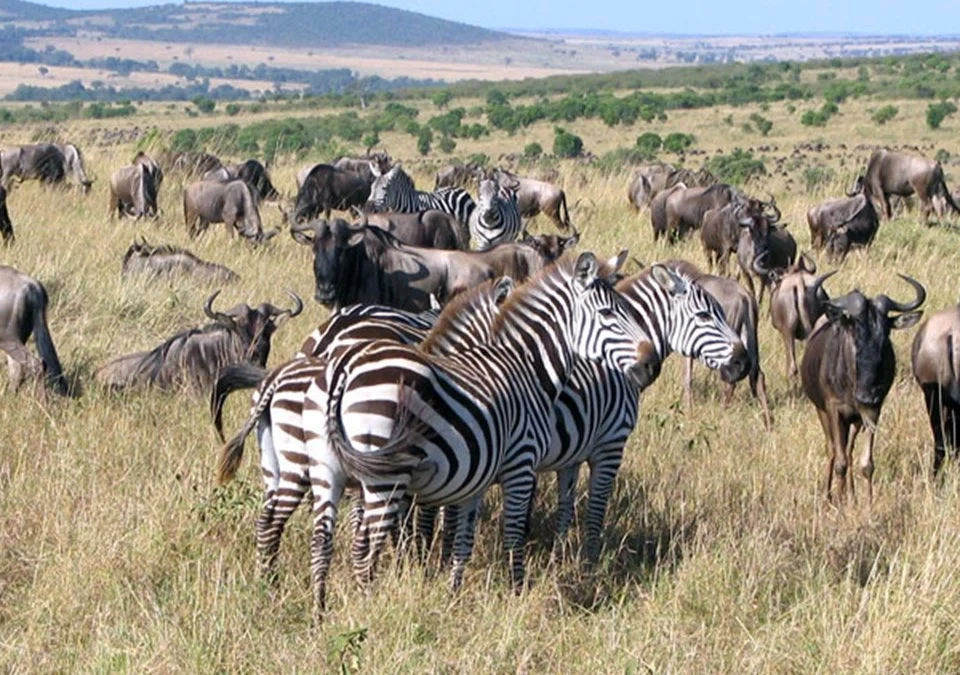
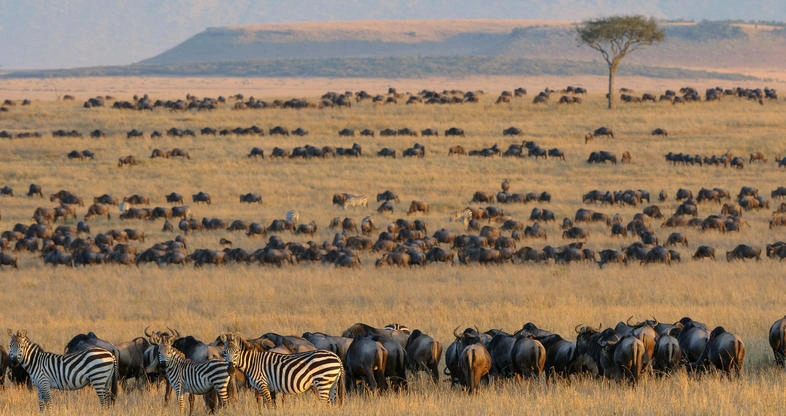
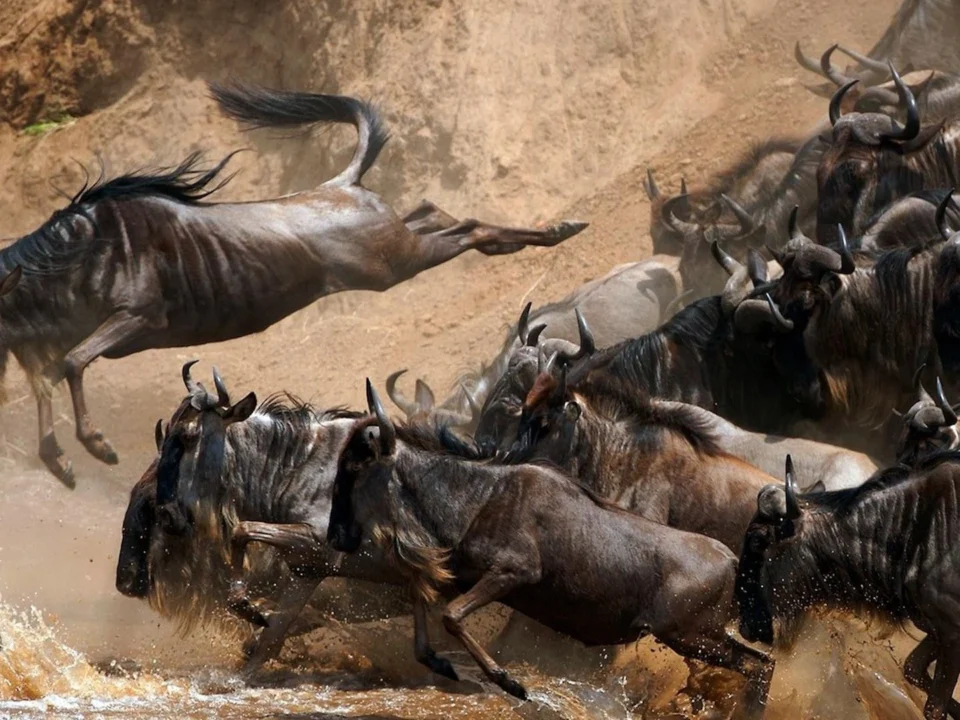
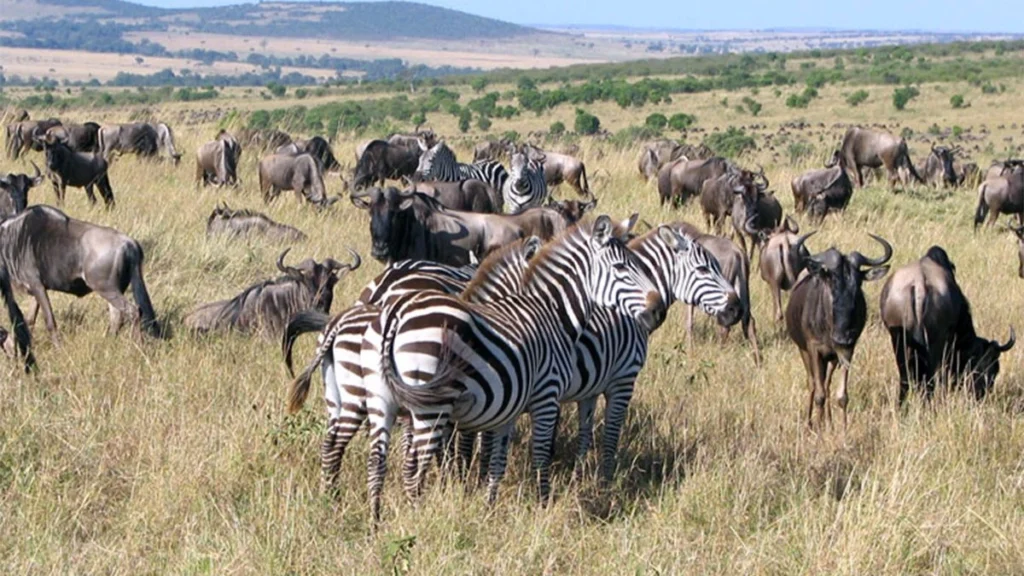
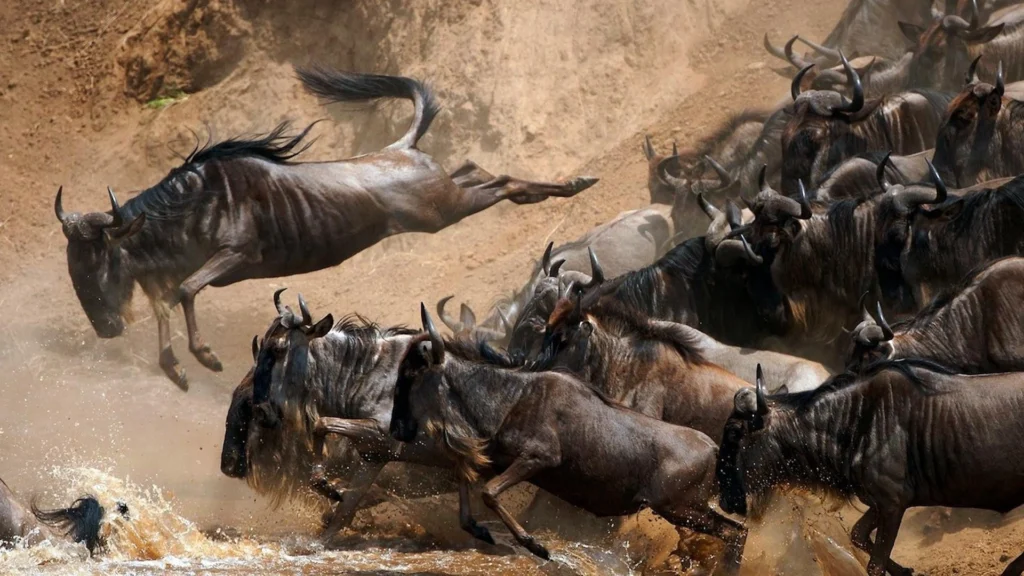
No East African safari is complete without witnessing the Great Migration. Millions of wildebeest, zebras, and gazelles traverse the Serengeti-Mara ecosystem in a continuous cycle in search of fresh pasture. Depending on the season, travelers may witness dramatic river crossings where crocodiles lurk and predators lie in wait.
The migration’s timing varies slightly each year, with wildebeest typically moving through Tanzania’s Serengeti from December to June and reaching Kenya’s Maasai Mara between July and October. This spectacle provides unparalleled photographic opportunities and a firsthand view of life-and-death dynamics in the wild.
The Big Five and Iconic Wildlife
During the savannah portion of the safari, travelers have the opportunity to see the Big Five — lions, leopards, elephants, buffalo, and rhinoceros — in their natural habitats. Parks such as the Serengeti, Maasai Mara, and Uganda’s Queen Elizabeth National Park host these iconic species alongside cheetahs, hyenas, hippos, crocodiles, and countless antelope species.
Each day offers game drives at dawn and dusk, when wildlife is most active. Guided excursions ensure expert tracking and interpretation, allowing travelers to fully appreciate the behaviors and interactions of East Africa’s diverse fauna.
Birding and Nature Highlights
In addition to mammals, East Africa is a haven for bird enthusiasts. The forests of Bwindi and Volcanoes host rare endemics like the Rwenzori turaco, African green broadbill, and Shelley’s crimsonwing. In the savannah, species such as crowned cranes, African fish eagles, and various storks can be observed.
The combination of forest and savannah habitats makes this safari particularly rewarding for birders and nature photographers, with countless opportunities to capture striking species in vibrant landscapes.
Cultural Encounters Along the Way
The ultimate safari experience also includes cultural immersion. Visitors can engage with local communities, learn traditional crafts, and experience rural life. In Rwanda, tours of villages near Volcanoes National Park provide insight into local traditions, dance, and music. In Tanzania and Kenya, Maasai cultural experiences offer opportunities to interact with pastoralist communities, observe traditional ceremonies, and understand the coexistence of humans and wildlife.
These cultural interactions enrich the safari experience, giving travelers a holistic understanding of East Africa beyond its wildlife.
Planning for Comfort and Family Needs
Given the multi-country nature of this safari, planning emphasizes both comfort and accessibility. Accommodation options range from luxury lodges with stunning views of the forest or savannah to well-appointed mid-range lodges that offer convenience and quality service.
For families or multi-generational travelers, lodges often provide interconnected rooms, child-friendly meals, and activities that engage younger participants. Private or small-group tours ensure personalized experiences, safety, and flexibility.
Best Time to Embark on the Ultimate Safari
The ideal timing depends on the wildlife highlights you prioritize. Dry seasons — June to September and December to February — provide easier trekking conditions, better road access, and increased visibility for savannah wildlife.
The Great Migration peaks from July to October in Kenya and December to June in Tanzania, aligning with optimal wildlife viewing and photography conditions. Early booking is highly recommended, especially for gorilla permits and lodges near popular parks.
A Transformative East African Adventure
From the dense rainforests of Uganda and Rwanda to the golden plains of the Serengeti and Maasai Mara, this safari captures the full spectrum of East African wildlife. Observing gorillas at close range, tracking predators across savannahs, and witnessing the dramatic migration of millions of herbivores create a profound connection with nature.
This journey is not just a safari; it is a transformative adventure that blends conservation, education, culture, and breathtaking scenery. For travelers seeking the ultimate East African wildlife experience, a safari “From Gorillas to the Great Migration” offers memories that will last a lifetime.