Gorilla Trekking and Great Migration Safari in East Africa
Family-Friendly Gorilla Safaris in East Africa
March 3, 2026
Best Safari Combining Gorilla Trekking and the Great Migration
March 5, 2026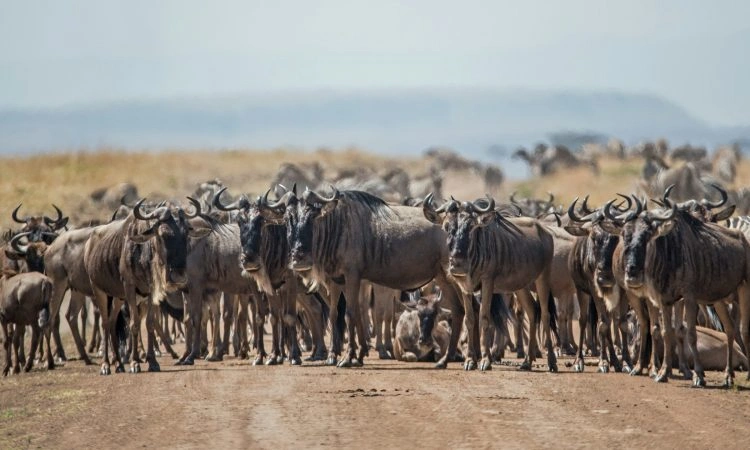
Gorilla Trekking and Great Migration Safari in East Africa. East Africa is one of the most spectacular safari destinations in the world, offering travelers a rare opportunity to experience both mountain gorilla trekking and the Great Migration in a single journey. Combining these two iconic wildlife experiences allows visitors to explore diverse landscapes, from misty rainforests in Uganda and Rwanda to the vast savannah plains of Tanzania and Kenya.
A Gorilla Trekking and Great Migration Safari in East Africa is the perfect adventure for wildlife enthusiasts, photographers, and nature lovers who want to witness some of the planet’s most remarkable natural events. From observing mountain gorillas in their natural habitat to watching millions of wildebeest cross crocodile-filled rivers, this safari promises unforgettable encounters and breathtaking scenery.
The Unique Combination of Gorillas and the Great Migration
East Africa offers wildlife experiences that cannot be found anywhere else in the world. Gorilla trekking takes place in dense tropical forests where small groups of visitors hike to observe mountain gorillas up close. On the other hand, the Great Migration is a dramatic wildlife spectacle across open plains where millions of animals move in search of fresh grazing.
Combining these experiences allows travelers to witness two very different ecosystems. The rainforest environment provides intimate encounters with primates, while the savannah landscapes reveal massive wildlife herds, predators, and dramatic river crossings. This contrast makes the journey incredibly rich and diverse.
The safari typically includes visits to gorilla habitats in Bwindi Impenetrable National Park or Volcanoes National Park, followed by a migration safari in Serengeti National Park or Maasai Mara National Reserve.
Gorilla Trekking in East Africa’s Rainforests
Gorilla trekking is one of the most powerful wildlife encounters on earth. Mountain gorillas live in small family groups led by a dominant silverback, and observing them in the wild offers insight into their social behavior and intelligence.
Trekking usually begins early in the morning with a briefing from park rangers. Visitors are divided into small groups and assigned to specific gorilla families. Guided by experienced trackers, trekkers hike through dense forests, sometimes climbing steep terrain or navigating thick vegetation.
Once the gorillas are located, visitors are allowed to spend one hour observing them. During this time, travelers may witness gorillas feeding, grooming each other, caring for their young, or simply relaxing in the forest.
This close interaction often becomes the most memorable moment of an East African safari. Standing just a few meters away from a mountain gorilla is a humbling experience that highlights the beauty and fragility of wildlife conservation.
Exploring the Great Migration
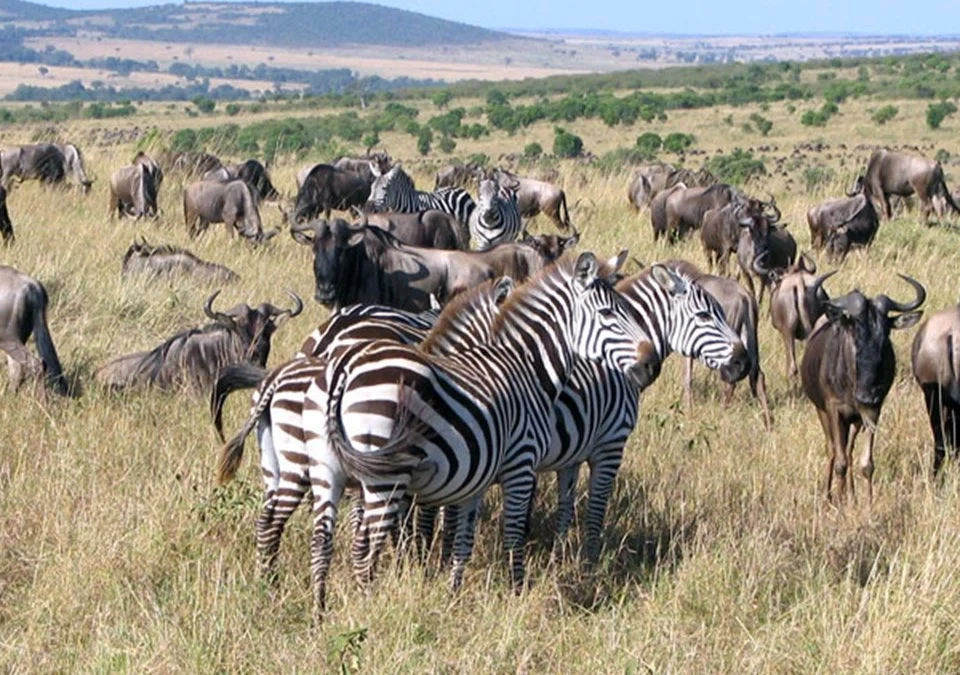
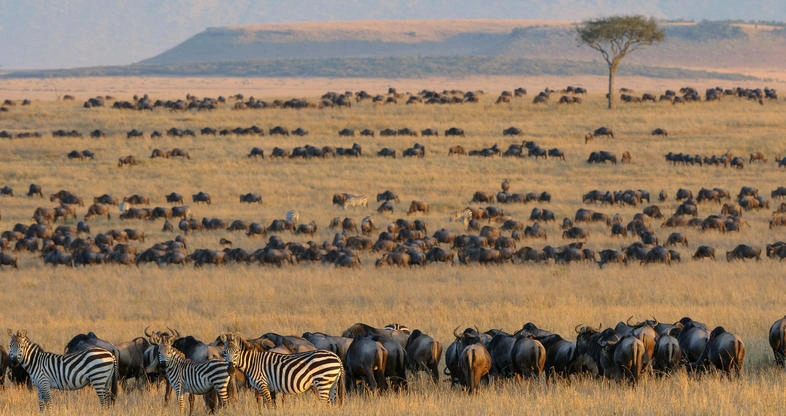
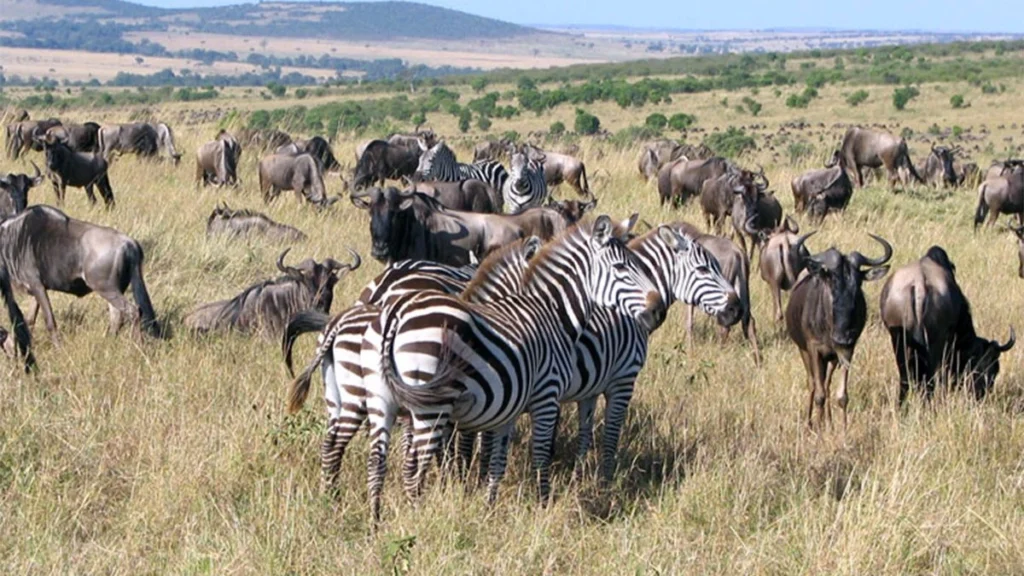
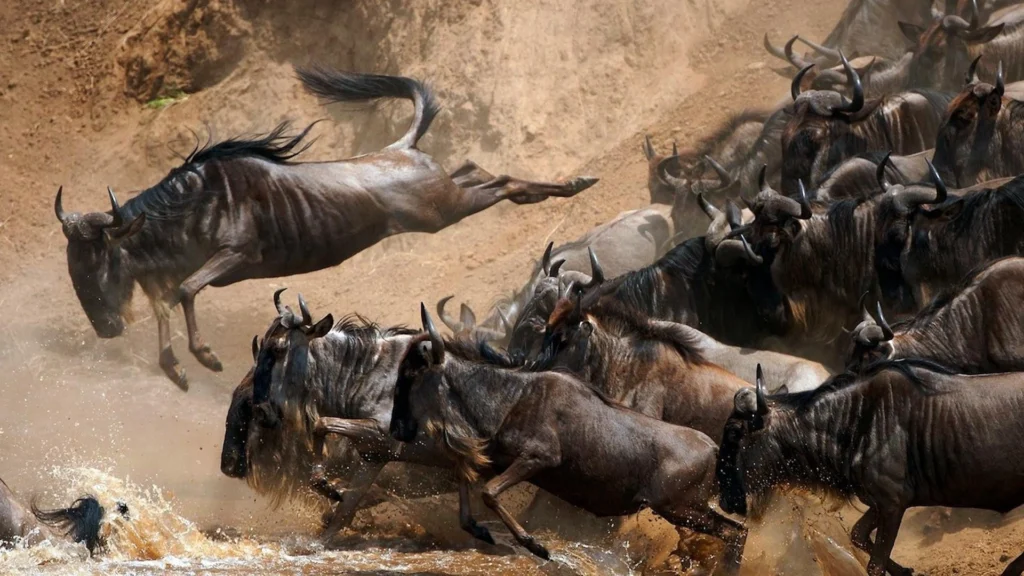
After the rainforest adventure of gorilla trekking, the safari shifts to the open savannah where the Great Migration unfolds. This natural phenomenon involves more than two million wildebeest, zebras, and gazelles moving across the plains in search of fresh grass and water.
The migration takes place across the ecosystems of Serengeti National Park and Maasai Mara National Reserve. Throughout the year, the herds move in a circular pattern driven by seasonal rainfall.
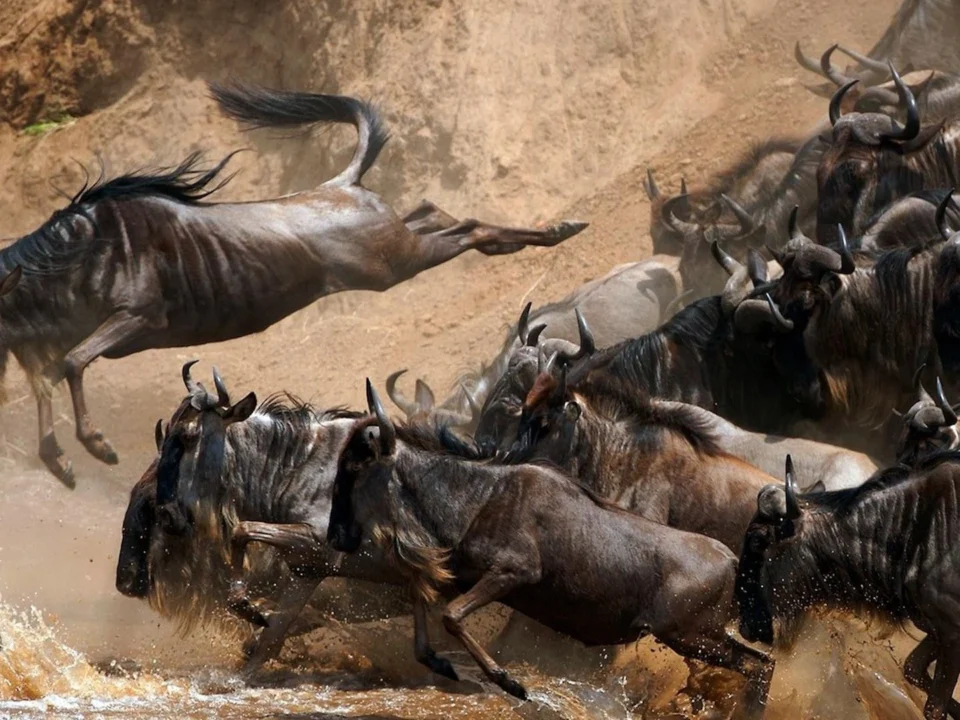
One of the most dramatic moments occurs when wildebeest attempt to cross rivers filled with strong currents and crocodiles. These crossings attract predators such as lions, cheetahs, and hyenas, creating intense wildlife action.
Watching thousands of animals move together across the plains is one of the most breathtaking sights in the natural world. The scale and intensity of the migration make it one of Africa’s greatest wildlife spectacles.
Wildlife Encounters Beyond Gorillas and Wildebeest
A safari that combines gorilla trekking and the Great Migration offers far more than just these two highlights. East Africa is home to an incredible variety of wildlife species.
While exploring the Serengeti or Maasai Mara, visitors may encounter the famous Big Five, which include lions, elephants, leopards, buffaloes, and rhinoceroses. Large predators such as cheetahs and hyenas are also commonly seen stalking prey across the open plains.
In the rainforest regions, other primates such as colobus monkeys, red-tailed monkeys, and chimpanzees may be spotted during forest walks. Birdlife is also extraordinary, with hundreds of colorful species inhabiting forests, wetlands, and savannah landscapes.
These diverse wildlife encounters ensure that every day of the safari is filled with discovery and excitement.
Scenic Landscapes Across East Africa
One of the most remarkable aspects of this safari is the diversity of landscapes travelers experience along the way. The journey begins in misty mountain forests where towering trees and dense vegetation create a mysterious atmosphere for gorilla trekking.
As the safari continues toward the savannah, the scenery transforms dramatically. Rolling grasslands stretch as far as the eye can see, dotted with acacia trees and crossed by rivers that sustain countless wildlife species.
Sunrises and sunsets across these landscapes are unforgettable. The golden light illuminating wildlife herds, distant mountains, and endless plains creates perfect conditions for photography and quiet moments of appreciation.
These landscapes are part of what makes East Africa such a magical destination for nature lovers.
Cultural Experiences Along the Journey
Beyond wildlife and landscapes, East Africa also offers rich cultural experiences. Many safari routes pass through communities where visitors can learn about traditional lifestyles and local customs.
Travelers may encounter pastoral communities such as the Maasai people in Kenya and Tanzania, who are known for their distinctive clothing, cattle-herding traditions, and vibrant cultural ceremonies.
In the forest regions near gorilla habitats, local communities share stories about their relationship with the forest and their role in conservation efforts. These cultural interactions provide deeper insight into how people and wildlife coexist in East Africa.
Such experiences add meaningful connections to the safari journey and help travelers appreciate the region’s cultural heritage.
Best Time for a Gorilla and Migration Safari
The timing of a combined safari depends on the migration cycle and weather conditions.
Gorilla trekking can be done year-round, but the dry seasons between June and September and between December and February are often considered the most comfortable periods for trekking.
The Great Migration follows seasonal rainfall patterns. Between July and October, large herds usually gather in the Maasai Mara where dramatic river crossings occur. Earlier in the year, the migration can be found in the southern Serengeti during the calving season, when thousands of wildebeest give birth to their young.
Choosing the right travel period ensures visitors can experience both gorilla trekking and the migration at their best.
Wildlife Photography Opportunities
A safari combining gorilla trekking and the Great Migration provides incredible opportunities for wildlife photography.
In the rainforest, photographers can capture intimate portraits of gorillas, highlighting their expressive faces and family interactions. The dense forest environment also allows for unique compositions with lush green backgrounds.
In the savannah, the migration offers dramatic scenes of moving herds, predator hunts, and river crossings. Wide landscapes filled with thousands of animals create powerful images that showcase the scale of the migration.
Early morning and late afternoon light provide the best conditions for photography, creating warm tones and dramatic shadows across the landscape.
Both gorilla trekking and the Great Migration depend on strong conservation efforts. Mountain gorillas are critically endangered, and strict regulations help protect them from human disturbance and disease.
Visitors are required to maintain a safe distance from gorillas, follow ranger instructions, and limit time spent with the animals. These rules ensure that tourism contributes positively to conservation while protecting wildlife.
Similarly, national parks in the Serengeti and Maasai Mara play a crucial role in preserving migration routes and protecting wildlife habitats.
Responsible tourism supports conservation initiatives, provides income for local communities, and ensures that future generations can continue to experience these remarkable wildlife events.
An Unforgettable East African Adventure
A Gorilla Trekking and Great Migration Safari in East Africa offers one of the most extraordinary wildlife journeys in the world. From walking through misty forests in search of mountain gorillas to witnessing millions of animals move across endless plains, the experience captures the true spirit of Africa’s wilderness.
The diversity of landscapes, wildlife, and cultures makes this safari an unforgettable adventure. Every moment—from the quiet presence of a gorilla family in the forest to the thunder of wildebeest hooves during the migration—creates memories that last a lifetime.