How to Plan a Gorilla Trekking and Great Migration Safari

Best Safari Combining Gorilla Trekking and the Great Migration
March 5, 2026
Best Months to Combine Gorilla Trekking and the Great Migration
March 5, 2026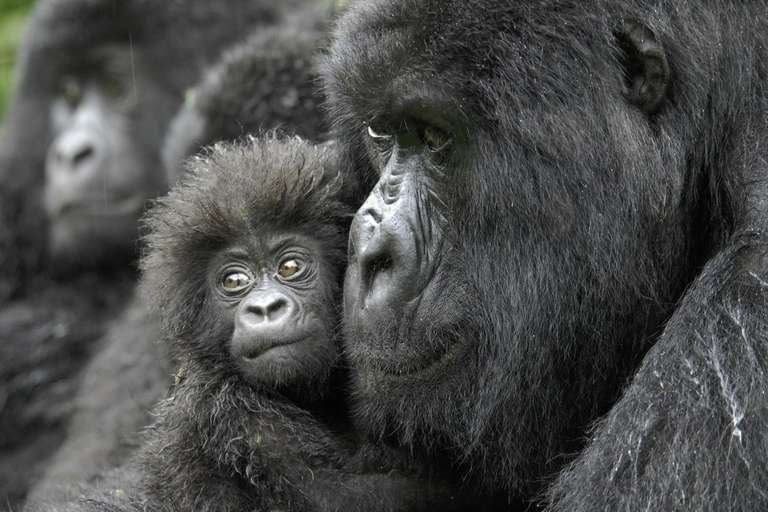
How to Plan a Gorilla Trekking and Great Migration Safari. Planning a safari that combines gorilla trekking and the Great Migration is one of the most exciting ways to experience East Africa. This type of safari allows travelers to explore two very different ecosystems — the misty mountain forests where endangered gorillas live and the vast savannah plains where millions of animals migrate each year. With careful planning, visitors can enjoy both of these iconic wildlife experiences in one unforgettable journey.
A well-organized safari ensures that travelers get the best wildlife viewing opportunities while also enjoying comfortable travel, scenic landscapes, and cultural encounters along the way.
Understanding the Two Safari Experiences
Before planning a combined safari, it is important to understand what each experience involves. Gorilla trekking takes place in dense tropical forests where small groups of visitors hike with experienced guides to locate habituated mountain gorilla families. Once the gorillas are found, visitors are allowed to spend one hour observing them in their natural habitat.
Many gorilla treks take place in protected areas such as Bwindi Impenetrable National Park and Volcanoes National Park. These forests provide a safe habitat for the endangered mountain gorilla and offer visitors a rare opportunity to observe these gentle giants up close.
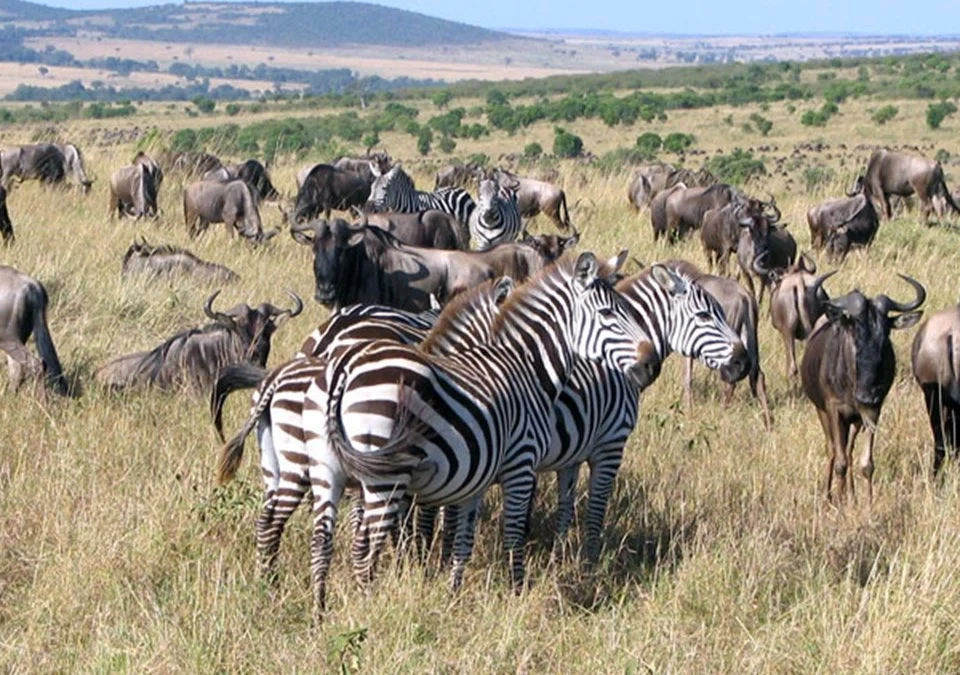
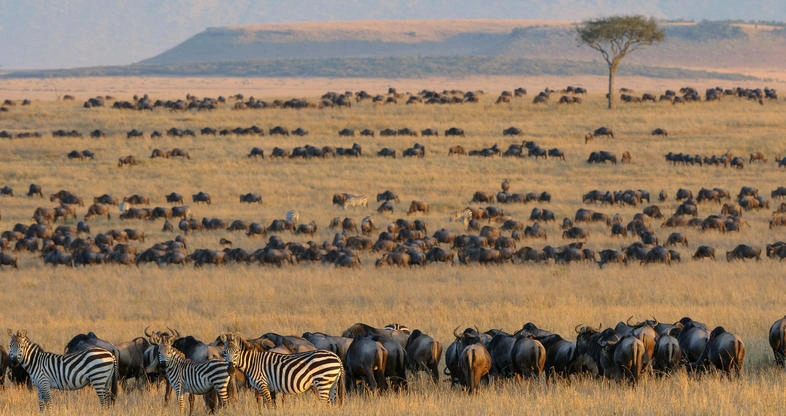
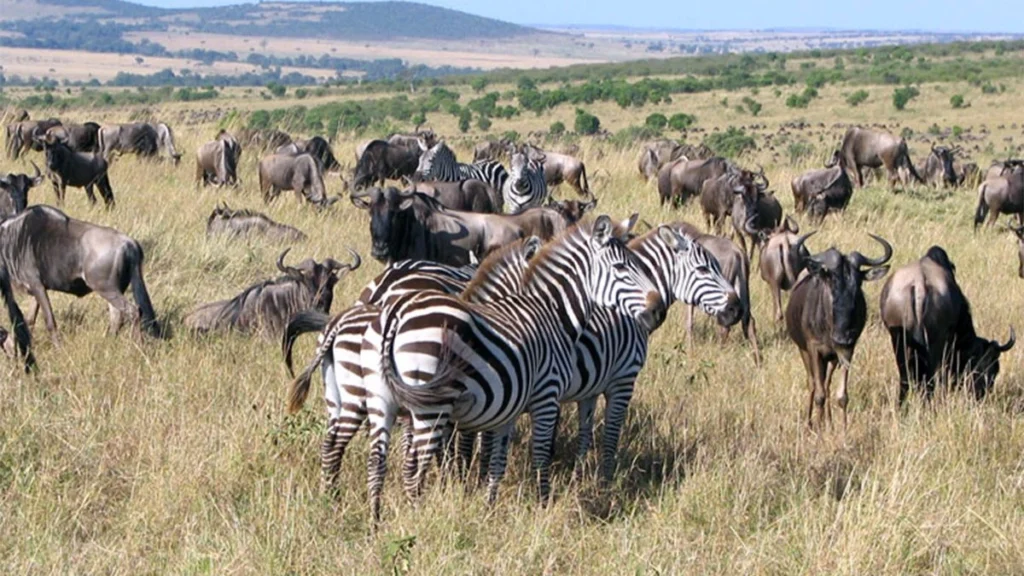
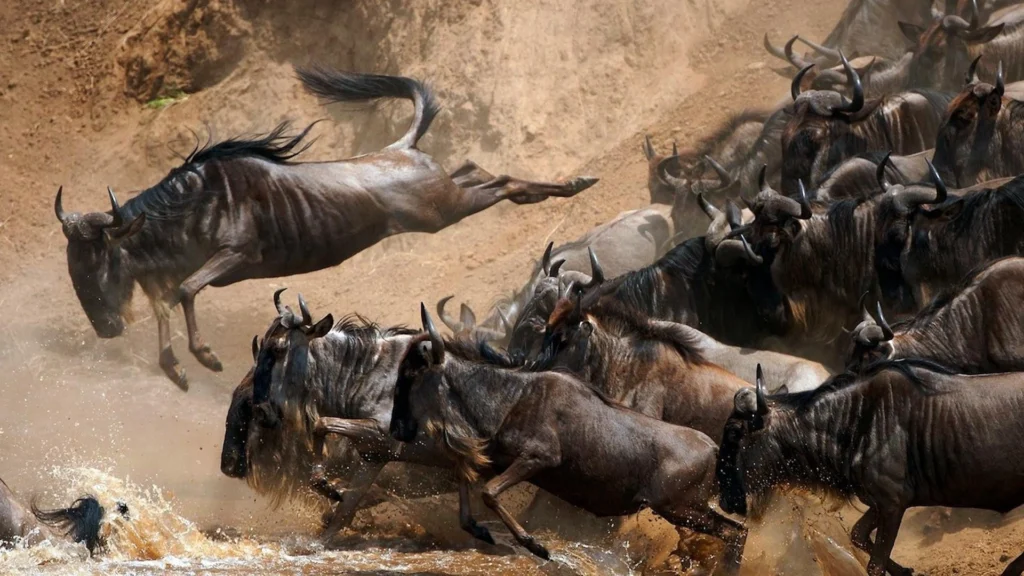
The Great Migration, on the other hand, occurs across the open plains of Serengeti National Park and Maasai Mara National Reserve. Millions of wildebeest, zebras, and gazelles move across these ecosystems in search of fresh grass and water. Along the way, predators such as lions, cheetahs, and crocodiles create dramatic wildlife encounters.
Combining these two experiences creates a diverse safari that showcases the best of East Africa’s wildlife and landscapes.
Choosing the Best Time for the Safari
Timing is one of the most important factors when planning a gorilla trekking and migration safari. While gorilla trekking can be done throughout the year, the dry seasons are generally more comfortable because forest trails are less muddy and easier to hike.
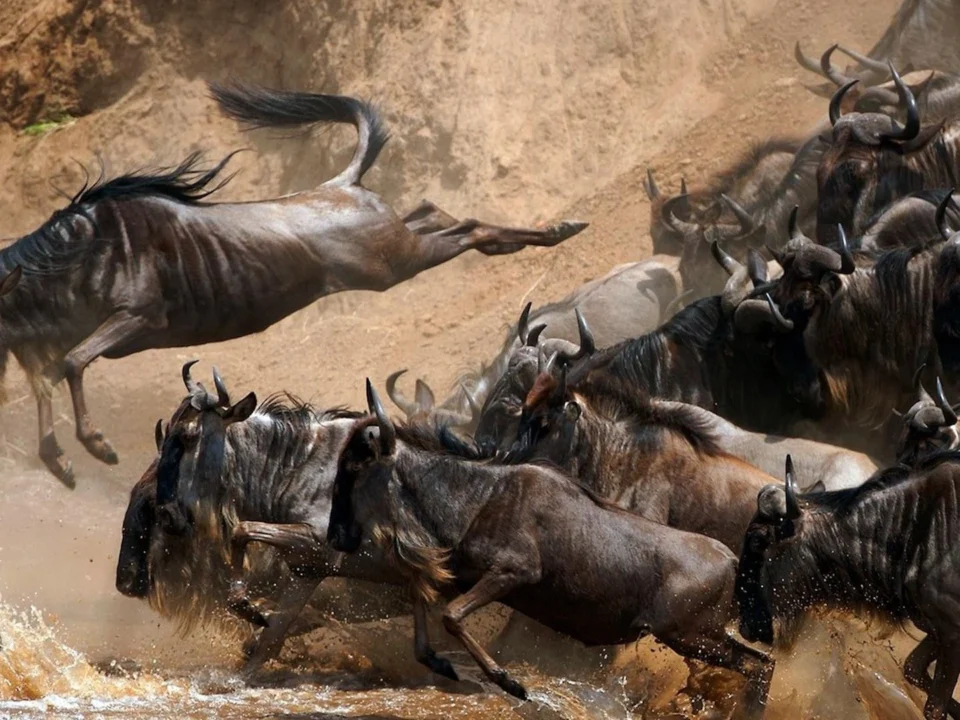
The Great Migration follows seasonal rainfall patterns, meaning that the herds move to different parts of the Serengeti and Maasai Mara during the year. Between July and October, many travelers visit the Maasai Mara to witness dramatic river crossings. From January to March, the southern Serengeti becomes the calving ground where thousands of wildebeest give birth.
By selecting the right travel dates, visitors can experience both gorilla trekking and the migration at their most exciting stages.
Deciding Where to Start Your Safari
A combined safari can begin in different locations depending on travel routes and personal preferences. Some travelers start their journey in Rwanda, which offers quick access to gorilla trekking forests. Others begin in Uganda, where travelers can explore mountain forests, lakes, and savannah parks before heading toward migration areas.
Another common option is starting in Kenya or Tanzania to witness the migration first and then traveling to Uganda or Rwanda for gorilla trekking. Both routes offer unique experiences and scenic landscapes.
Choosing the right starting point can make travel easier and allow visitors to maximize their safari time.
Booking Gorilla Trekking Permits Early
Gorilla trekking permits are limited and highly regulated in order to protect the gorillas and their habitat. Each day, only a small number of visitors are allowed to trek with each gorilla family.
Because of this restriction, permits often sell out months in advance, especially during the peak travel seasons. Travelers planning a combined safari should book their gorilla permits early to secure their preferred trekking dates.
Booking early also helps with planning the rest of the safari itinerary, including flights, accommodations, and wildlife viewing experiences.
Planning Travel Between Destinations
East Africa covers a large geographical area, and traveling between gorilla trekking forests and migration plains requires careful planning. Visitors can travel between destinations by domestic flights, scenic drives, or a combination of both.
Flights are often the fastest way to move between countries and national parks, while road travel offers the chance to see rural landscapes, local villages, and additional wildlife along the way.
Some safari routes also pass through beautiful lakes, mountain ranges, and cultural regions, making the journey itself part of the adventure.
Choosing the Right Accommodation
Accommodation plays an important role in the safari experience. Many national parks offer a range of options including comfortable lodges, luxury tented camps, and eco-friendly safari camps.
Forest lodges near gorilla trekking areas are usually surrounded by lush vegetation and provide peaceful environments after a day of hiking. In the savannah regions, safari camps are often located near wildlife migration routes, allowing guests to observe animals directly from their camps.
Choosing accommodation close to wildlife areas helps maximize time spent exploring nature and increases the chances of memorable wildlife encounters.
Preparing for Gorilla Trekking
Gorilla trekking involves hiking through dense forests, sometimes on steep or muddy terrain. Preparing properly helps ensure a comfortable and enjoyable trek.
Travelers should pack sturdy hiking boots, long trousers, waterproof jackets, and gloves to protect their hands while moving through vegetation. A small backpack with water, snacks, and a camera is also useful during the trek.
Physical fitness is helpful, although treks vary in difficulty depending on the location of the gorilla family on a particular day. Rangers guide visitors carefully through the forest, making the experience accessible for most travelers.
What to Expect During the Migration Safari
Game drives during the Great Migration usually take place early in the morning and late in the afternoon when animals are most active. Experienced guides track wildlife movements and position safari vehicles for the best viewing opportunities.
Visitors may witness massive herds grazing across the plains, predators stalking their prey, or dramatic river crossings where thousands of animals surge through the water.
Every day on safari is different because wildlife behavior constantly changes, making each game drive a unique adventure.
Combining Wildlife, Landscapes, and Culture
A safari that includes gorilla trekking and the Great Migration also offers the opportunity to experience the cultures of East Africa. Travelers may visit local communities, learn traditional practices, and interact with people who have lived alongside wildlife for generations.
Cultural visits can include traditional dances, craft markets, and storytelling experiences that provide insight into local heritage. These encounters enrich the safari by connecting travelers not only with wildlife but also with the people who protect and preserve these landscapes.