Photography Guide for the Great Migration Safari

Affordable Great Migration Safaris in East Africa
March 12, 2026
Family Safaris to See the Wildebeest Migration
March 12, 2026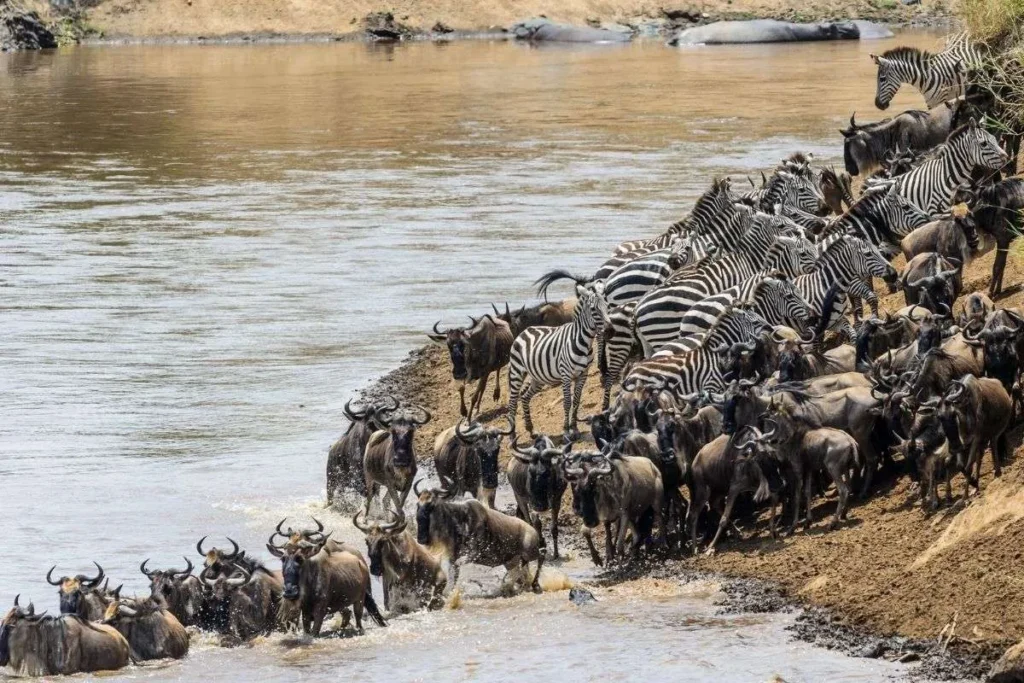
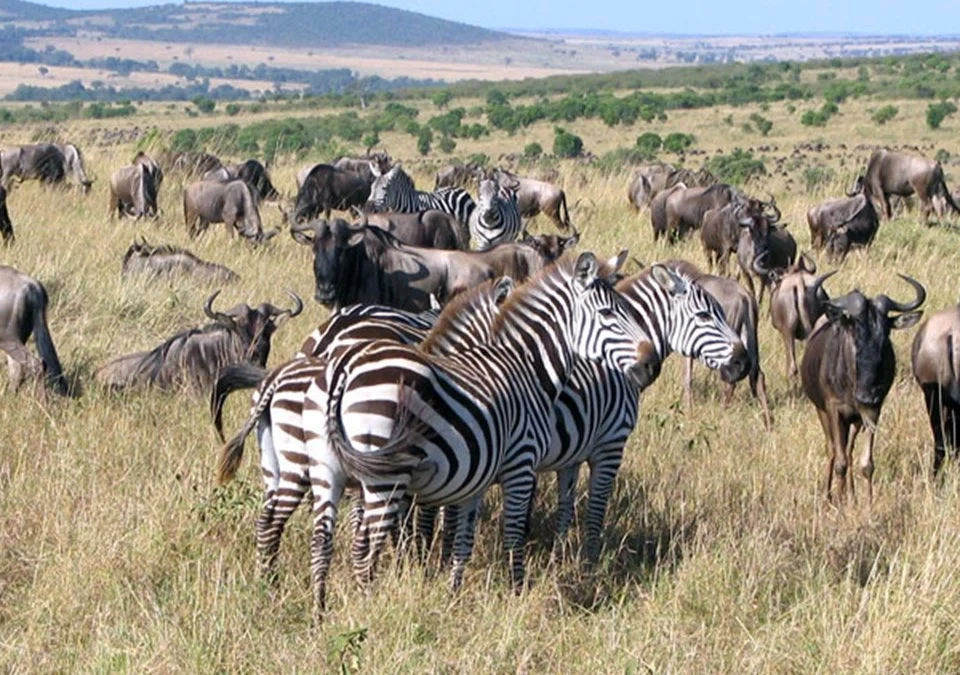
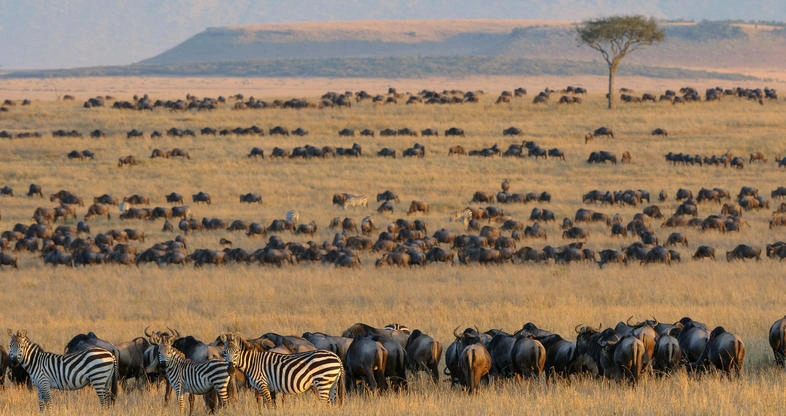
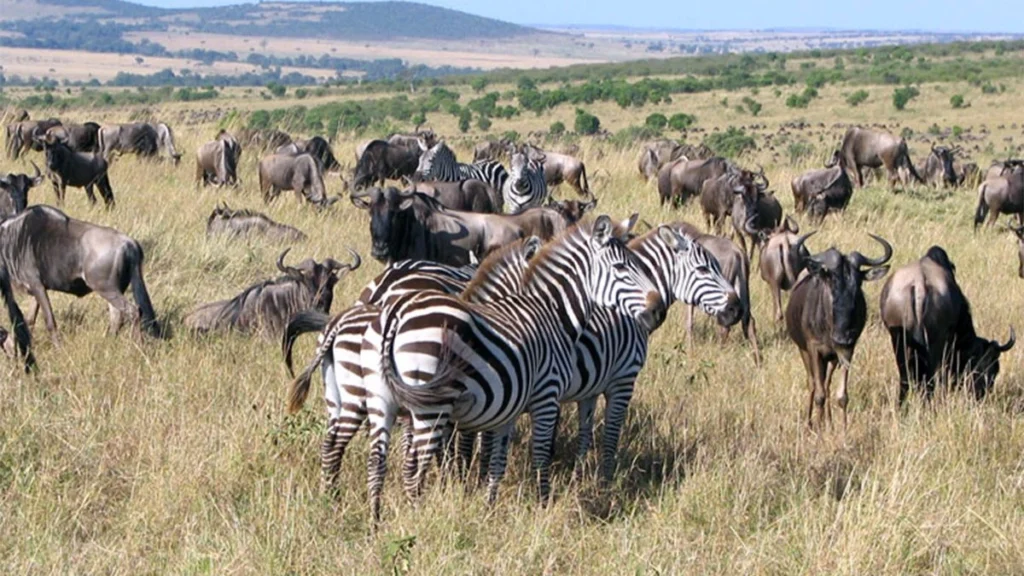
Photography Guide for the Great Migration Safari. Witnessing the Great Migration is not only a thrilling wildlife experience but also a photographer’s dream. Millions of wildebeest, zebras, and other herbivores move across East Africa in an epic journey that creates incredible opportunities for capturing dramatic wildlife moments. With the right preparation and equipment, travelers can take stunning photographs that showcase the raw beauty of this natural spectacle. This guide provides practical tips for photographing the Great Migration while maximizing results in diverse safari conditions.
Understanding the Great Migration for Photography
The Great Migration occurs annually across Serengeti National Park and Maasai Mara National Reserve. Millions of animals move between grazing areas and water sources, creating a dynamic environment for photographers. Understanding the migration’s timing and patterns is crucial. For example, river crossings in July–October provide dramatic action shots with predators like crocodiles or lions nearby, while calving season in January–March offers opportunities to photograph newborn wildebeest interacting with their mothers.
Knowing where and when animals congregate allows photographers to plan their shooting locations effectively. Consult with guides or park rangers to identify the best spots for capturing the action without disturbing the wildlife.
Essential Photography Gear
Choosing the right equipment is key for capturing high-quality images on safari. A DSLR or mirrorless camera with a zoom lens of at least 200–400mm is ideal for photographing animals from a safe distance. Telephoto lenses allow close-up shots of wildebeest crossings, predator interactions, and distant herds.
A camera with fast autofocus and a high frame rate is beneficial for action shots. Wildlife moves quickly, and capturing precise moments requires responsive gear. Tripods or monopods are optional for stabilizing shots but may be impractical during moving game drives. Consider using image stabilization features in lenses or cameras.
Extra memory cards, batteries, and protective cases are essential. Safari conditions can be dusty or wet, and having backups ensures that no photographic opportunity is missed.
Camera Settings for Action Shots
For photographing moving animals, using a fast shutter speed is crucial. Speeds of 1/1000 second or higher help freeze motion during river crossings or predator chases. Adjust ISO to maintain proper exposure in changing light conditions, especially during early morning or late afternoon when wildlife activity is highest.
Continuous shooting mode is recommended for capturing multiple frames in quick succession. This increases the chances of getting the perfect shot of a dramatic moment.
A wide aperture (f/4–f/5.6) can create a shallow depth of field, highlighting the subject against a blurred background. This technique works well for isolating individual animals within a large herd.
Composition Tips
Composition plays a vital role in creating impactful wildlife images. Follow the rule of thirds to position animals in visually appealing parts of the frame. Include elements of the landscape, such as the river, plains, or acacia trees, to provide context and convey the scale of the migration.
Capturing action and interaction between animals adds narrative to your photos. Focus on moments such as a calf staying close to its mother, a silverback leading a herd, or predators stalking prey. These interactions create emotionally compelling images.
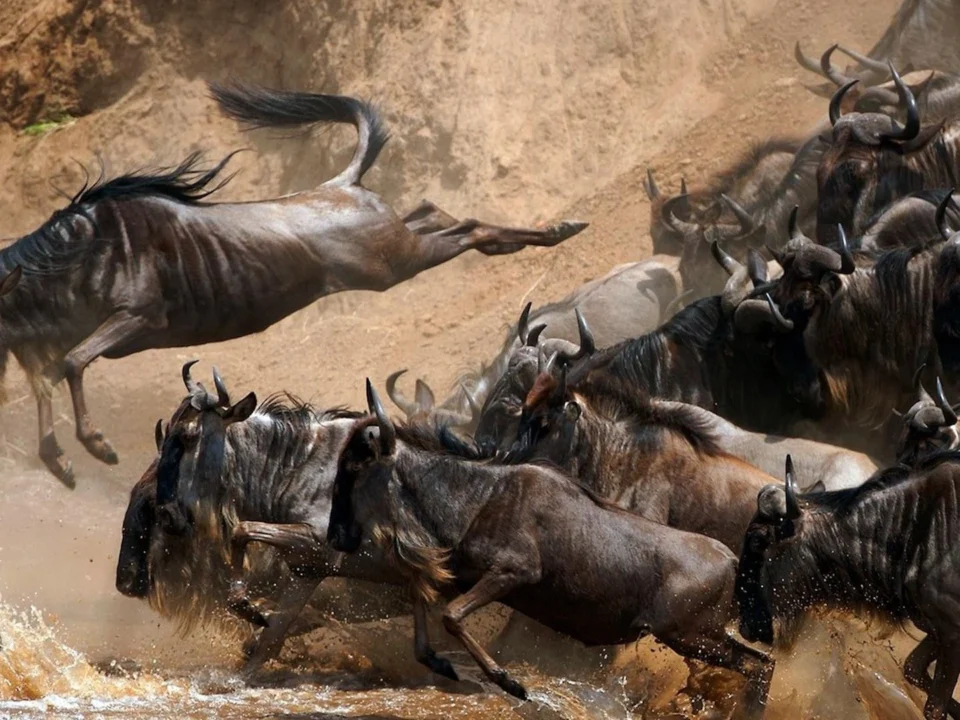
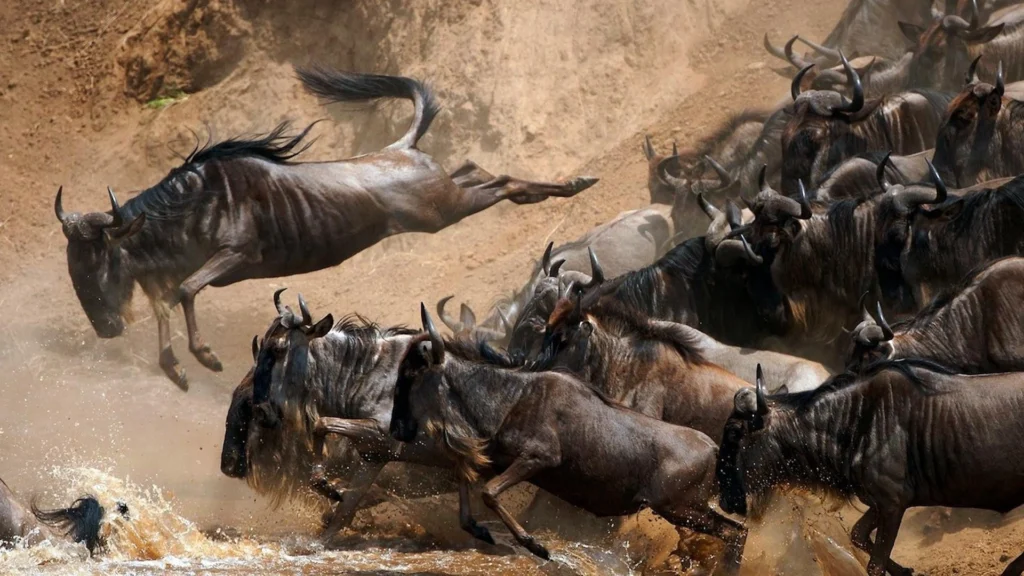
Including environmental elements like dust, mud, or water splashes during river crossings can add drama and movement to your photographs.
Lighting Considerations
The best times for photography on safari are during the golden hours—early morning and late afternoon. The soft, warm light enhances colors, textures, and shadows, making wildlife photos more vibrant.
Midday sun can create harsh lighting, leading to strong shadows and blown-out highlights. If shooting during this period, use shade creatively or adjust exposure settings to avoid overexposure.
Cloudy conditions can provide diffused light that reduces harsh shadows, making it ideal for capturing detailed shots of animal behavior.
Safety and Ethical Photography
Safety and ethics are essential when photographing wildlife. Always maintain a safe distance from animals and follow park regulations. Do not approach or provoke wildlife for a better photo. Respecting the animals ensures both your safety and their well-being.
Use guides’ expertise to position yourself safely while maximizing photographic opportunities. Avoid disturbing the herds or interfering with natural behaviors. Ethical photography not only preserves the environment but also ensures that future travelers can continue to enjoy these experiences.
Tips for River Crossing Photography
River crossings are among the most dramatic moments of the Great Migration. Capture the tension, action, and vulnerability of animals as they cross rivers filled with crocodiles.
Position yourself at a vantage point that allows for a wide-angle shot to show the scale of the crossing. Telephoto lenses are useful for close-ups of individual animals struggling or interacting with predators.
Anticipate the movement by observing the herd’s behavior before the crossing. Take continuous shots to capture unpredictable moments like splashes, jumps, or predator attacks.
Post-Processing Tips
Post-processing can enhance your wildlife photos while keeping them realistic. Adjust exposure, contrast, and color balance to bring out the details of animals and landscapes. Crop images strategically to improve composition without losing important context.
Sharpening and noise reduction can improve image quality, especially for photos taken at higher ISO settings. Avoid excessive editing that alters the natural look of the wildlife. The goal is to present the raw beauty of the migration authentically.