Photography Guide to the Great Migration Safari
Calving Season in the Southern Serengeti
March 3, 2026Luxury Migration Safaris in the Maasai Mara
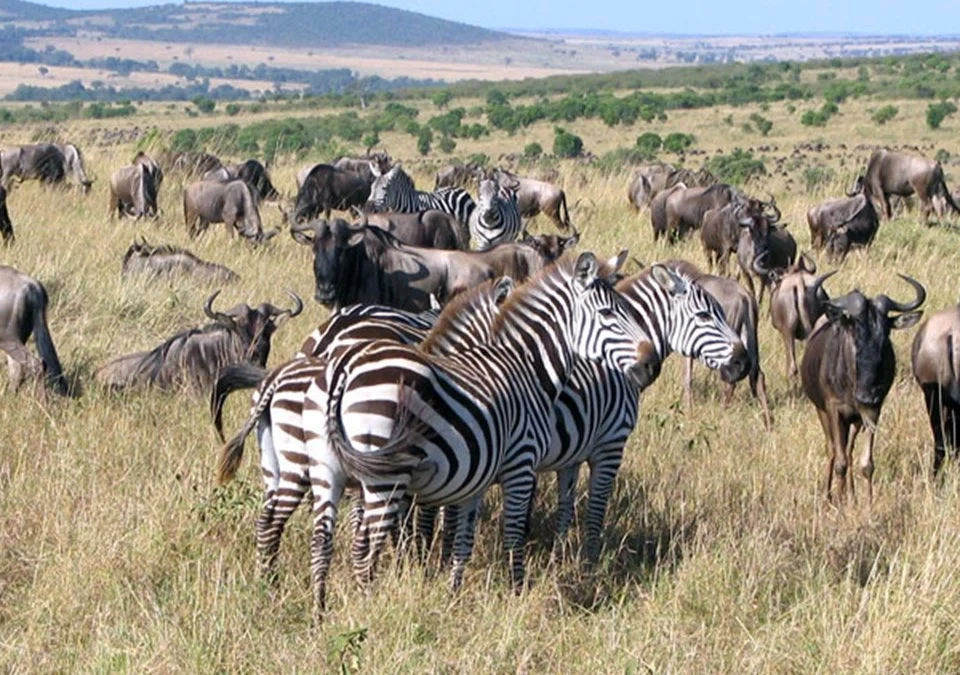
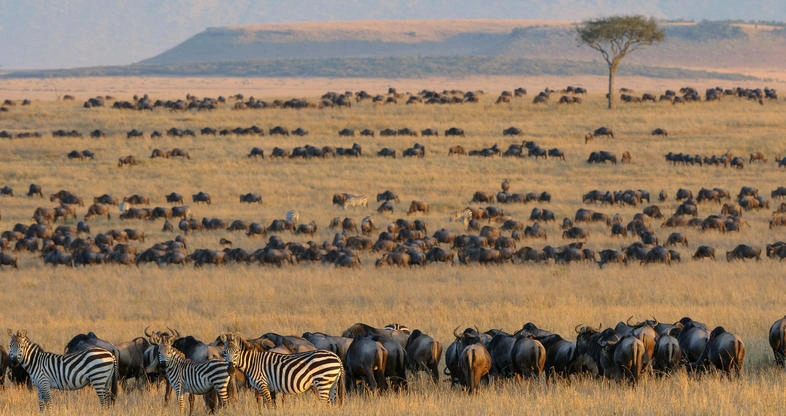
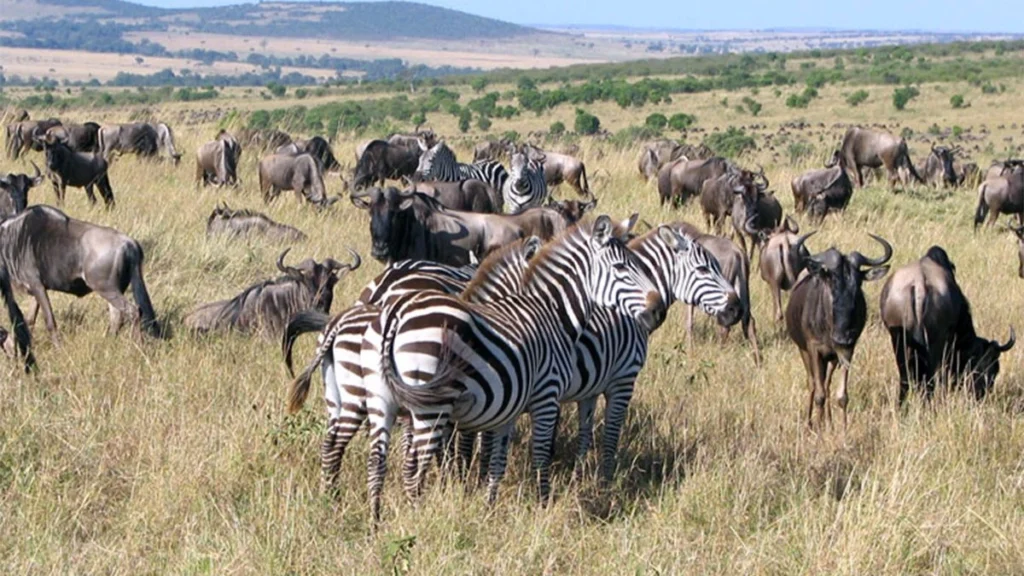
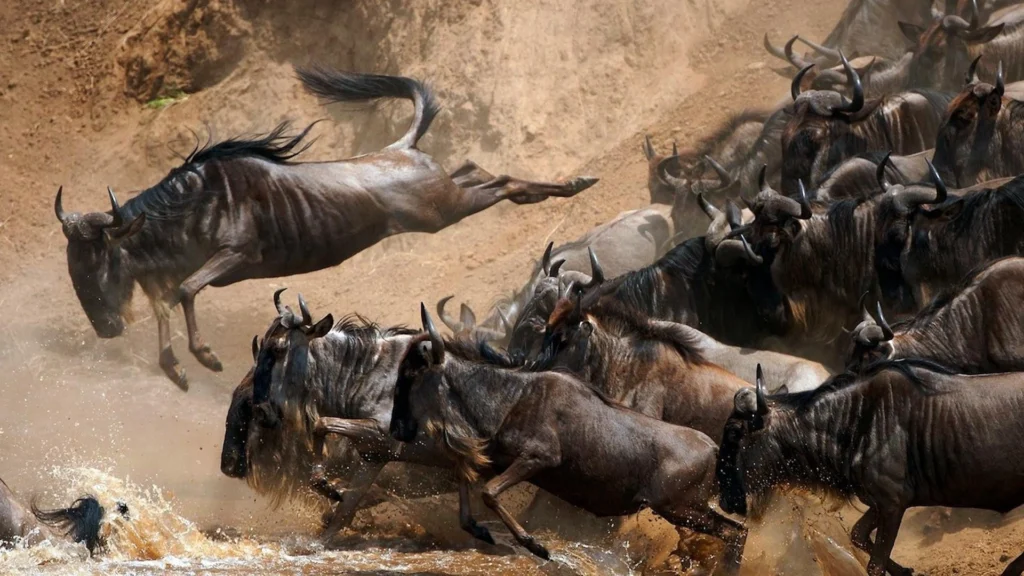
March 3, 2026Photography Guide to the Great Migration Safari. The Great Migration is one of the most extraordinary wildlife spectacles on Earth, offering photographers an unparalleled opportunity to capture nature’s raw beauty and drama. Occurring across the Serengeti in Tanzania and the Maasai Mara in Kenya, the migration involves over a million wildebeest, hundreds of thousands of zebras, and countless gazelles moving across the plains in search of fresh grazing. From river crossings to predator encounters, every moment is a chance to create stunning, once-in-a-lifetime images. This guide provides practical tips, techniques, and insights for capturing the migration in all its grandeur.
Understanding the Migration Patterns
Timing is critical for photographers aiming to capture the Great Migration. The wildebeest typically calve in the southern Serengeti from January to March, while the herds move northward through central and western Serengeti in April to June. By July through October, large herds reach the Maasai Mara in Kenya, often resulting in dramatic river crossings.
Knowing these patterns helps photographers plan where to position themselves to capture key moments — such as the mass movement across rivers or predator-prey interactions — and ensures the best photographic opportunities.
Essential Photography Equipment
For capturing the migration, certain equipment is highly recommended:
- Camera: A DSLR or mirrorless camera with fast autofocus and high burst rate.
- Lenses: Telephoto lenses (200–600mm) for wildlife close-ups, and wide-angle lenses (16–35mm) for landscapes and herd scenes.
- Tripod/Monopod: Useful for stability, especially during early morning or low-light shots.
- Filters: Polarizers can enhance skies and reduce glare; neutral density filters help with creative long exposures.
- Extra Batteries and Memory Cards: Safari days are long, and wildlife encounters are unpredictable.
Having versatile equipment allows photographers to switch quickly between action shots, portraits, and sweeping landscapes.
Key Photography Techniques
Capturing the Great Migration requires a mix of technical skill and patience. Some useful techniques include:
- Action Shots: Use a fast shutter speed (1/1000 sec or higher) to freeze movement during river crossings or predator chases.
- Panning: Track moving animals with a slower shutter speed to create motion blur in the background while keeping the subject sharp.
- Golden Hour Lighting: Early mornings and late afternoons provide warm, soft light that enhances colors and textures.
- Composition: Use natural elements like acacia trees, rivers, and dust clouds to add depth and context to your images.
- Behavior Shots: Observe animal interactions, such as mother-calf bonding or predator stalking, for compelling storytelling images.
Being patient and observant often leads to the most memorable and unique photographs.
Wildlife Safety and Ethical Photography
While capturing stunning images, maintaining safety and respecting wildlife is essential. Keep a safe distance from animals, never disturb their natural behavior, and always follow the guidance of experienced safari guides.
Use telephoto lenses to avoid approaching wildlife too closely. Ethical photography not only ensures your safety but also protects the animals and preserves the integrity of the ecosystem for future visitors.
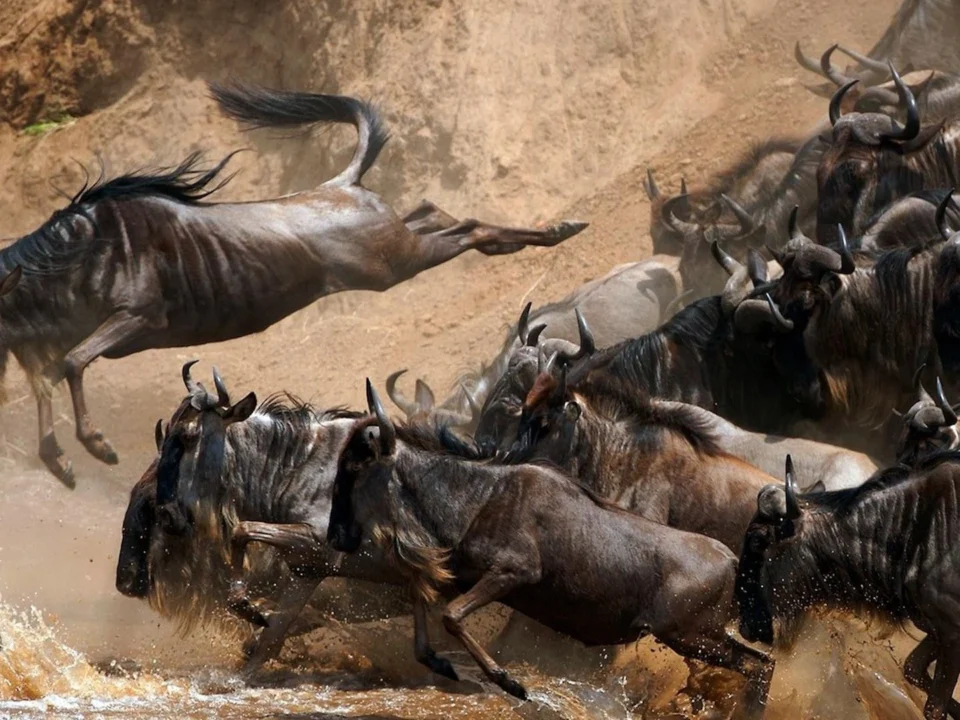
Tips for Capturing River Crossings
River crossings are among the most dramatic moments of the Great Migration, but they require careful planning:
- Position yourself at elevated viewpoints or riverbanks for unobstructed views.
- Anticipate the action; crossings can be fast, chaotic, and unpredictable.
- Use a fast shutter speed to capture the intensity of splashing water, running wildebeest, and lurking crocodiles.
- Capture both wide shots of the herd and close-up portraits for variety.
Flexibility and readiness are key, as the crossings can happen quickly and may last only a few minutes in any one location.
Landscape and Environmental Photography
The Great Migration is not only about animals; the landscapes are equally captivating. Vast savannahs, dramatic skies, rolling hills, and golden light enhance the sense of scale and adventure.
Incorporate the environment into your shots to tell a complete story — dust clouds from stampeding herds, reflections in waterholes, or stormy skies add drama and atmosphere. Wide-angle lenses are particularly effective for these expansive scenes.
Planning Your Safari for Photography
When planning a photographic safari, consider the following:
- Choose the season that aligns with the wildlife events you wish to capture.
- Stay in accommodations close to prime locations for early access to game drives.
- Plan multiple days in key areas to increase chances of capturing rare behaviors and interactions.
- Work with experienced guides who understand animal behavior and the best vantage points.
Careful planning maximizes both opportunities and the quality of your images.
Editing and Post-Processing
Even the best images benefit from thoughtful editing. Adjustments in exposure, contrast, sharpness, and color balance can enhance your photographs while maintaining natural authenticity. Consider cropping for composition or creating panoramic stitching for wide landscape shots.
Post-processing is an essential part of wildlife photography, turning fleeting moments into lasting, evocative images.