What to Pack for Gorilla Trekking and Migration Safaris

Cost of a Gorilla Trekking and Migration Safari in East Africa
March 5, 2026
10-Day Gorilla Trekking and Great Migration Safari Itinerary
March 5, 2026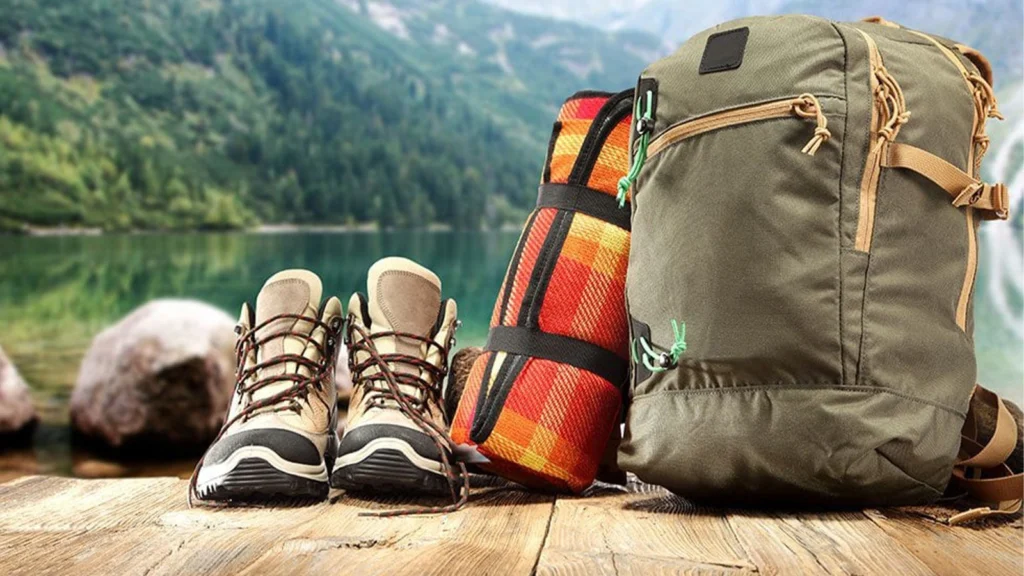
What to Pack for Gorilla Trekking and Migration Safaris. Packing properly for a safari that combines gorilla trekking and the Great Migration is essential for a comfortable and enjoyable adventure. These two safari experiences take place in very different environments. Gorilla trekking occurs in dense tropical forests, while migration safaris take place in open savannah plains. Because of these differences, travelers need to pack items that suit both forest trekking and wildlife game drives.
Having the right clothing, gear, and accessories ensures that travelers stay comfortable, protected, and ready to enjoy some of the most incredible wildlife experiences in East Africa.
Understanding the Different Safari Environments
Before packing, it is helpful to understand the environments where these activities take place. Gorilla trekking happens in mountainous rainforests such as Bwindi Impenetrable National Park, Mgahinga Gorilla National Park, and Volcanoes National Park. These forests can be wet, muddy, and thick with vegetation, which means proper hiking clothing is important.
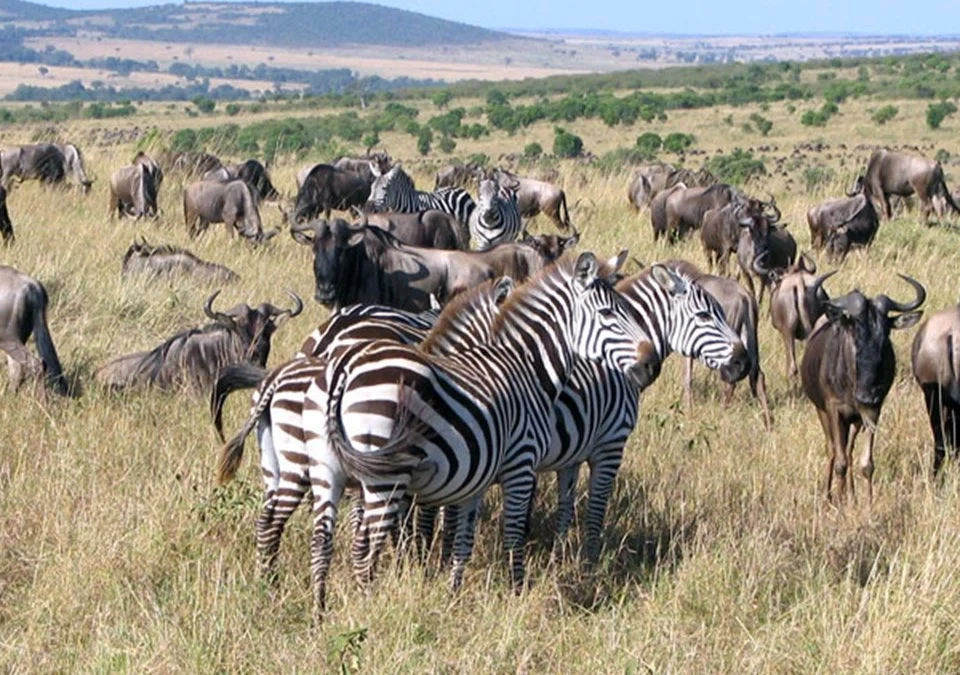
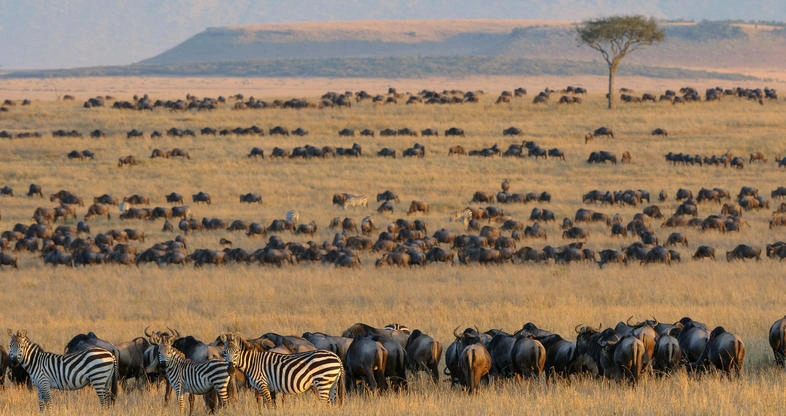
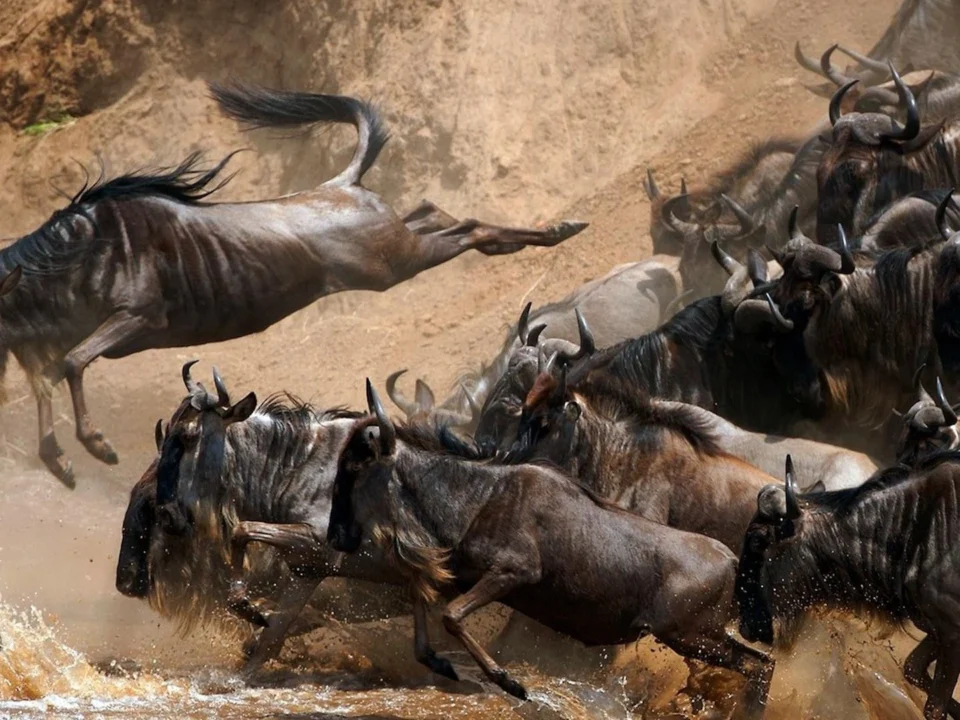
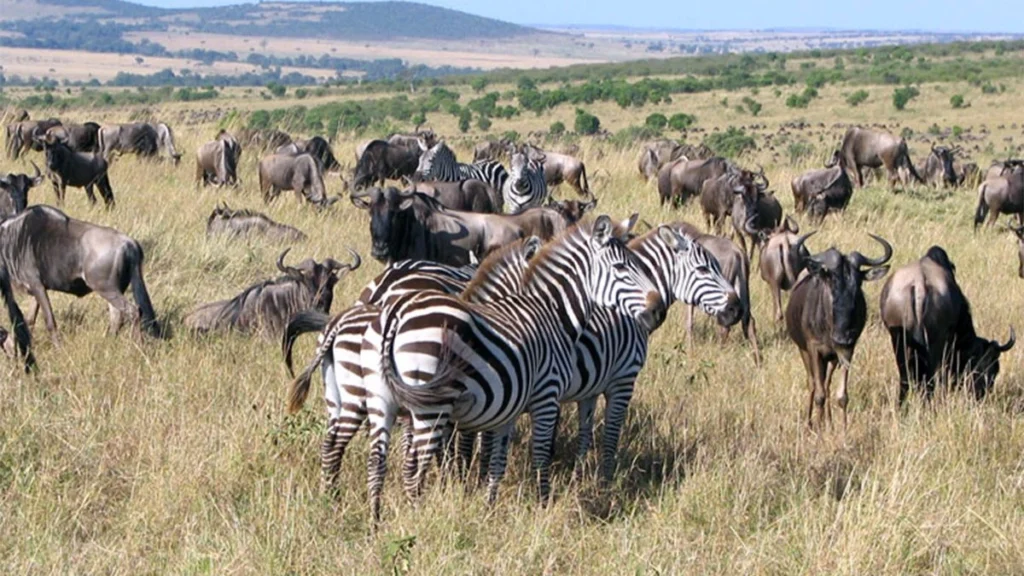
The Great Migration occurs across open savannah landscapes in places such as Serengeti National Park and Maasai Mara National Reserve. Here, travelers spend most of their time on game drives, observing wildlife in wide plains and river valleys.
Packing for both environments requires versatile clothing and practical safari gear.
Comfortable Safari Clothing
Lightweight and breathable clothing is ideal for safari travel. Neutral colors such as khaki, beige, olive, and brown are recommended because they blend well with the natural environment and do not attract insects.
For game drives during migration safaris, comfortable shirts, lightweight trousers, and a light jacket are usually sufficient. Early mornings and evenings can be cool, especially in open safari vehicles, so layering clothing helps adjust to changing temperatures.
For gorilla trekking, long-sleeved shirts and long trousers are essential. These protect against scratches from vegetation and help reduce insect bites while hiking through the forest.
Avoid bright colors and camouflage clothing. Bright colors can disturb wildlife, while camouflage clothing may be restricted in some countries.
Sturdy Hiking Boots
One of the most important items for gorilla trekking is a pair of strong and comfortable hiking boots. Trekking trails in the forests can be steep, muddy, and slippery, especially during rainy periods.
Boots with good ankle support and strong grip provide stability when walking on uneven ground. Waterproof boots are particularly useful because the forest floor often remains damp.
Breaking in hiking boots before the safari is recommended to avoid discomfort or blisters during long treks.
Rain Gear and Waterproof Protection
Rain showers are common in tropical forest regions, even during the dry season. Carrying a lightweight waterproof jacket or rain poncho helps protect against sudden rain.
A waterproof cover for backpacks is also helpful, especially when carrying cameras or electronic devices during the trek.
Keeping important items dry ensures that equipment and clothing remain usable throughout the safari.
Gloves for Gorilla Trekking
Many travelers overlook the importance of gloves during gorilla trekking. Hiking through dense vegetation often involves grabbing branches or pushing aside plants.
Lightweight gardening or trekking gloves protect hands from thorns, stinging plants, and rough vegetation. They also make it easier to hold onto branches when climbing steep sections of the forest.
This simple item can make trekking much more comfortable.
Hat and Sun Protection
During migration safaris in the savannah plains, the sun can be strong. Packing a wide-brimmed hat or cap helps protect the face and neck from sun exposure.
Sunglasses and sunscreen are also important, particularly during long game drives where travelers spend several hours in open vehicles.
Even though mornings may start cool, the midday sun can become intense in open landscapes.
Insect Repellent
Insect repellent is essential for any safari in East Africa. Forest areas and wetlands may have mosquitoes or other insects, especially during the rainy season.
Using insect repellent helps prevent bites and adds comfort during both trekking and game drives. Some travelers also prefer wearing long socks or trousers treated with insect repellent for extra protection.
Taking simple precautions helps ensure a safer and more pleasant safari experience.
Camera and Photography Equipment
Both gorilla trekking and migration safaris offer incredible opportunities for wildlife photography. Packing a good camera with a zoom lens allows travelers to capture close-up wildlife images from a safe distance.
Extra batteries and memory cards are highly recommended because charging facilities may not always be available during long game drives or remote lodge stays.
A waterproof or dustproof camera bag helps protect equipment during travel between parks.
For those using smartphones for photography, carrying a portable power bank ensures devices remain charged throughout the day.
Small Backpack for Trekking
A small daypack is very useful during gorilla trekking. This backpack can carry water, snacks, rain gear, a camera, and other personal items needed during the hike.
The trek to find gorillas can take anywhere from one to several hours depending on the location of the gorilla family. Carrying a comfortable backpack ensures that essentials are easily accessible during the trek.
It is best to keep the backpack lightweight to avoid unnecessary strain while hiking.
Water Bottle and Snacks
Staying hydrated during a safari is very important. Carrying a reusable water bottle ensures that travelers can drink water throughout the trek or during game drives.
Some lodges and guides also provide packed lunches or snacks during long safari days. Energy bars, fruits, or light snacks can be helpful during gorilla trekking because the hike may take several hours.
Keeping hydrated and energized makes the adventure more enjoyable.
Binoculars for Wildlife Viewing
While safari guides often carry binoculars, having a personal pair can greatly enhance the wildlife viewing experience. Binoculars allow travelers to observe distant animals such as predators resting in the grass or birds perched in trees.
During migration safaris, binoculars are particularly useful for spotting animals across the vast plains of the Serengeti or Maasai Mara.
Birdwatchers and wildlife enthusiasts especially benefit from carrying their own binoculars during safari trips.
Travel Documents and Essentials
Important travel documents should always be carried safely during a safari. These include passports, visas, travel insurance, and gorilla trekking permits.
Keeping copies of documents in a secure bag or digital format provides additional security in case of loss.
Some travelers also carry small amounts of cash for tips, souvenirs, or community visits during the safari.
Being well prepared ensures a smoother travel experience across different safari destinations.
Packing Smart for an Unforgettable Safari
Packing for a safari that combines gorilla trekking and the Great Migration requires careful planning, but the effort ensures a more comfortable and enjoyable adventure. Choosing versatile clothing, durable hiking gear, and essential safari equipment helps travelers adapt to both forest treks and savannah game drives.